Tensorium
Tensorium
Tensorium
High-throughput architectures specifically certified for localized maritime logistics, financial trading hubs, and multi-tenant cloud operations.
How geographic proximity, marine fiber connectivity, and special economic zones drive modern data center demands.
Panama has emerged as the definitive digital and logistics hub for Latin America and the Caribbean. Strategically anchored by the Panama Canal, the nation accounts for massive transit flows, requiring complex, real-time tracking systems, smart supply chain analytics, and high-performance computation infrastructure. However, the physical reality of Panama's digital infrastructure is shaped by its cross-continental submarine fiber cables. Landing points in areas like Balboa and Fort Sherman hook Panama directly into major global fiber backbones (including PAC, SAC, ARCOS-1, and MAYA-1), ensuring low-latency data transmission to North America, South America, and Europe.
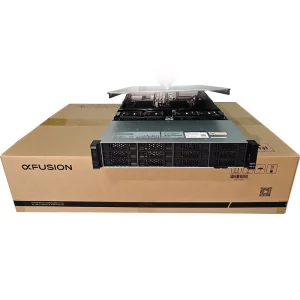
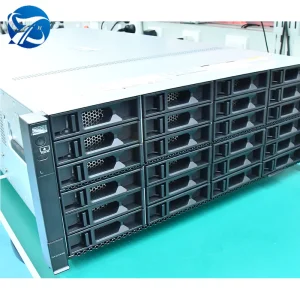
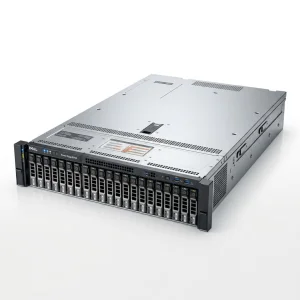
To support this high-density traffic, localized colocation providers, multinational corporations, and maritime operators are actively upgrading their aging computing infrastructure. This massive demand requires highly specialized rack servers, notably 2U and 4U systems designed with optimized heat dissipation, robust network interfaces, and high storage capacity. As local utilities push for modern efficiency standards, the deployment of energy-efficient platforms like the V7 Rack Server series becomes a critical operational requirement rather than an option.
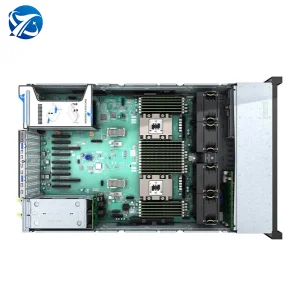
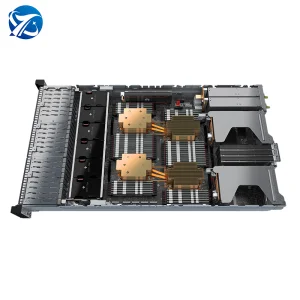
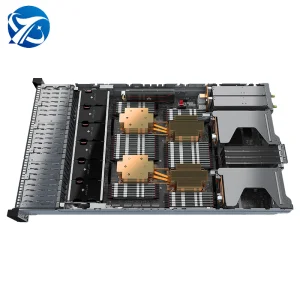
Panama's high ambient humidity and temperature create critical challenges for enterprise data centers. Standard configurations suffer from rapid component degradation due to condensation or thermal throttling. The V7 architectures utilize copper heat-pipe heat sink configurations paired with intelligent dynamic fan speed control, ensuring constant server operating temperatures and drastically reducing the power usage effectiveness (PUE) of local facilities.
The Panama Canal expansion and surrounding logistics corridors require real-time processing of AIS telemetry, port scheduling, and container tracking, which demand hyper-converged, 4-socket database servers with zero downtime tolerance.
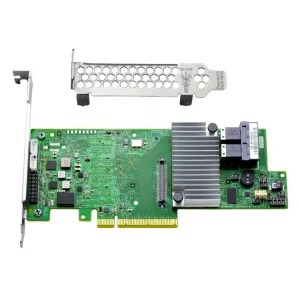
Panama's international banking sector handles trillions of dollars in transactions annually. Compliance with Superintendencia de Bancos de Panamá (SBP) directives requires local data residency, high-grade hardware encryption, and robust storage controller redundancy.
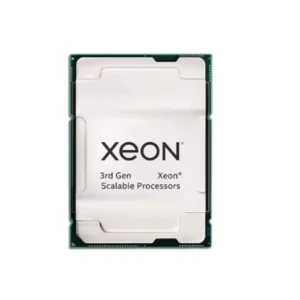
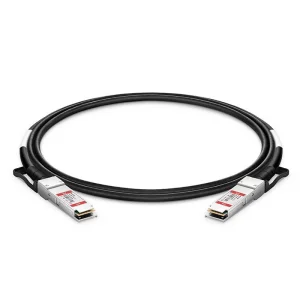
Global cloud giants leverage Panama as a regional CDN and edge point. Hardware configurations must support high-speed network attachments (QSFP+ 40G) and massive DDR5 ECC memory pools to enable seamless virtualization.
Integrating low-latency fiber transceivers and high-density SAS storage pools for continuous industrial uptime.

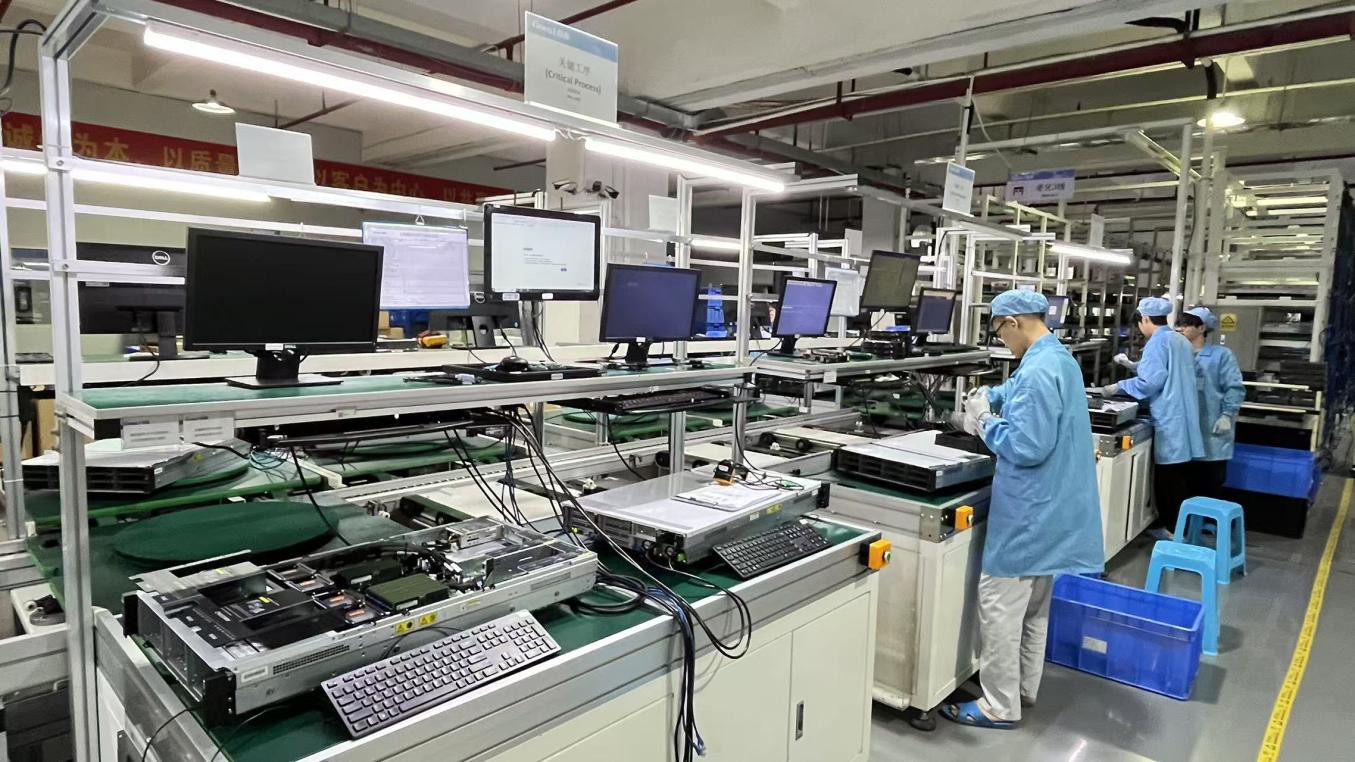
Founded in 2016, Tensorium Intelligent Technology Co., Ltd. stands at the forefront of high-performance computing design. Our identity is rooted in absolute reliability, engineering rigor, and transparent manufacturing. Spanning a modern manufacturing footprint and utilizing the industry’s most sophisticated testing benches, we operate as a key global partner for OEMs, ODMs, and regional system integrators.
For the Panama and Latin American markets, Tensorium has established structured supply chain pipelines to bypass standard shipping delays. By leveraging the Colon Free Zone (Zona Libre de Colón) as a transit hub, we ensure that parts, upgrades, and full server configurations are cleared and delivered in record time, mitigating the costly custom delays often associated with high-tech imports in Central America.
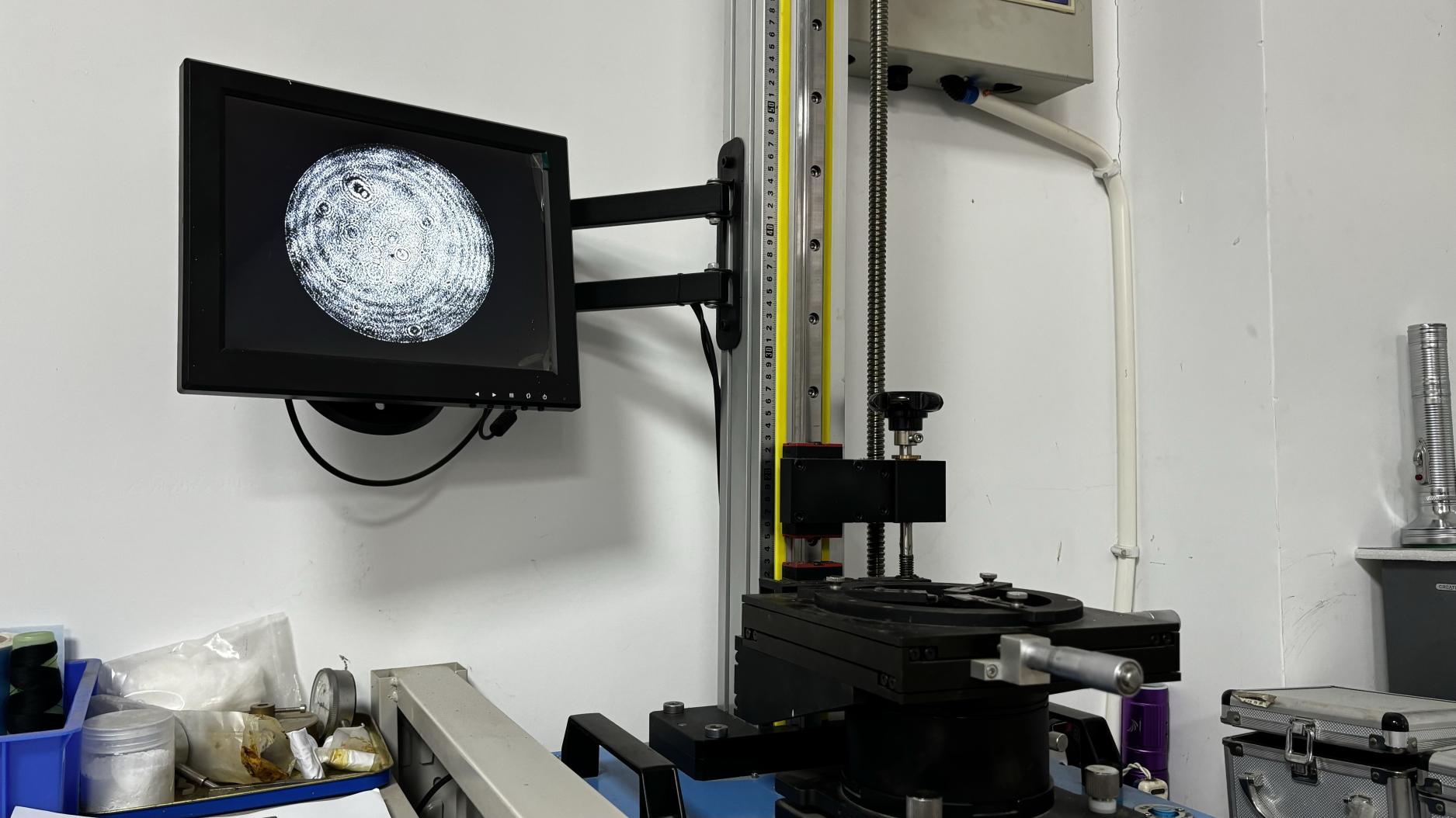
Every server leaving our lines undergoes a battery of quality verification processes. This includes high-temperature chamber tests (up to 45°C to simulate tropical server room failures), high-density payload calculations, performance benchmarking under maximum artificial compute pressure, and hardware virtualization configuration checks.
With over 120 R&D engineers, we released 80+ new products and server configurations last year alone. Our capability to dynamically design customized rack architectures means Panama data center managers can procure bespoke physical layouts matching non-standard server depths or unique input power specifications.
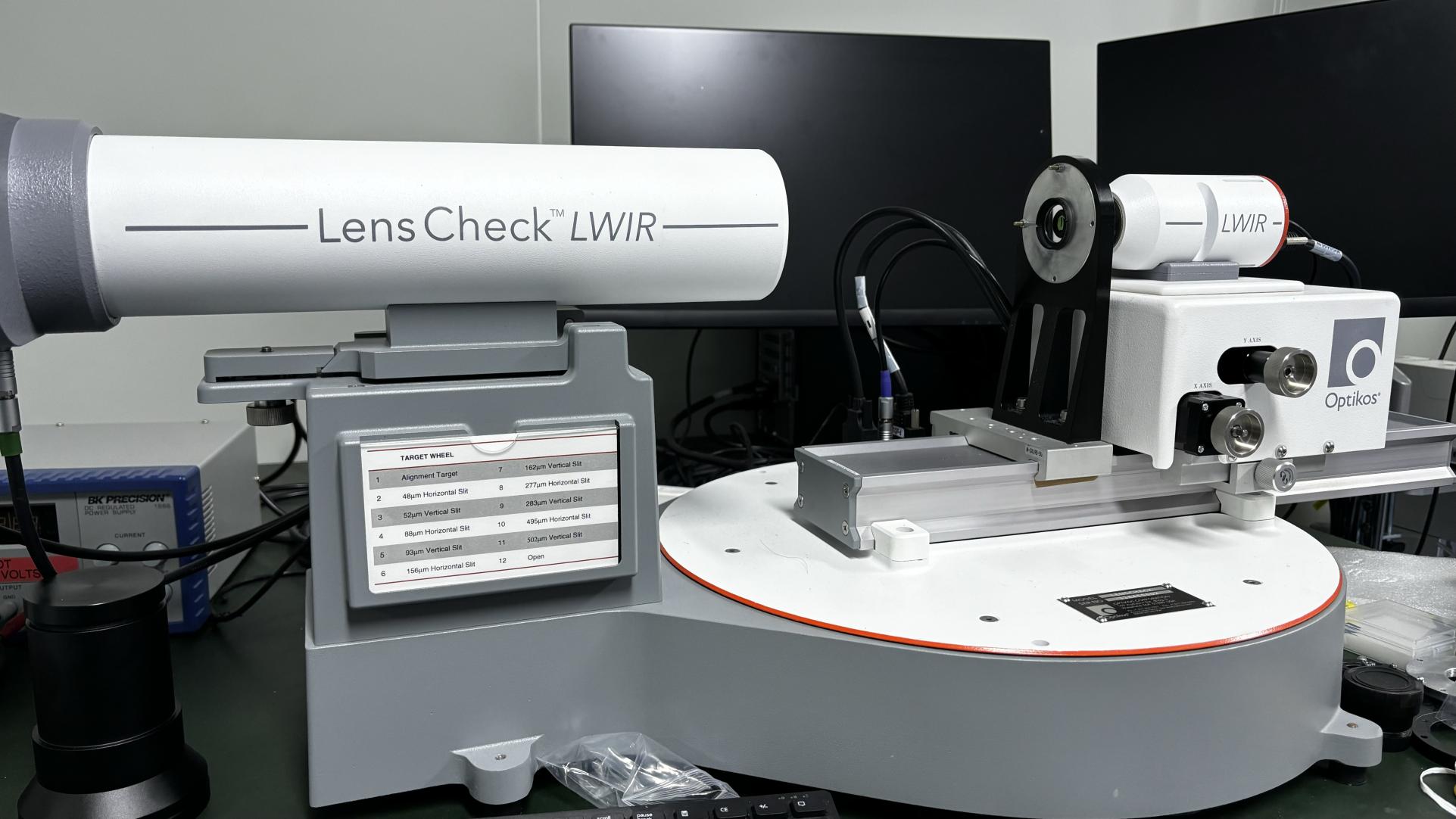
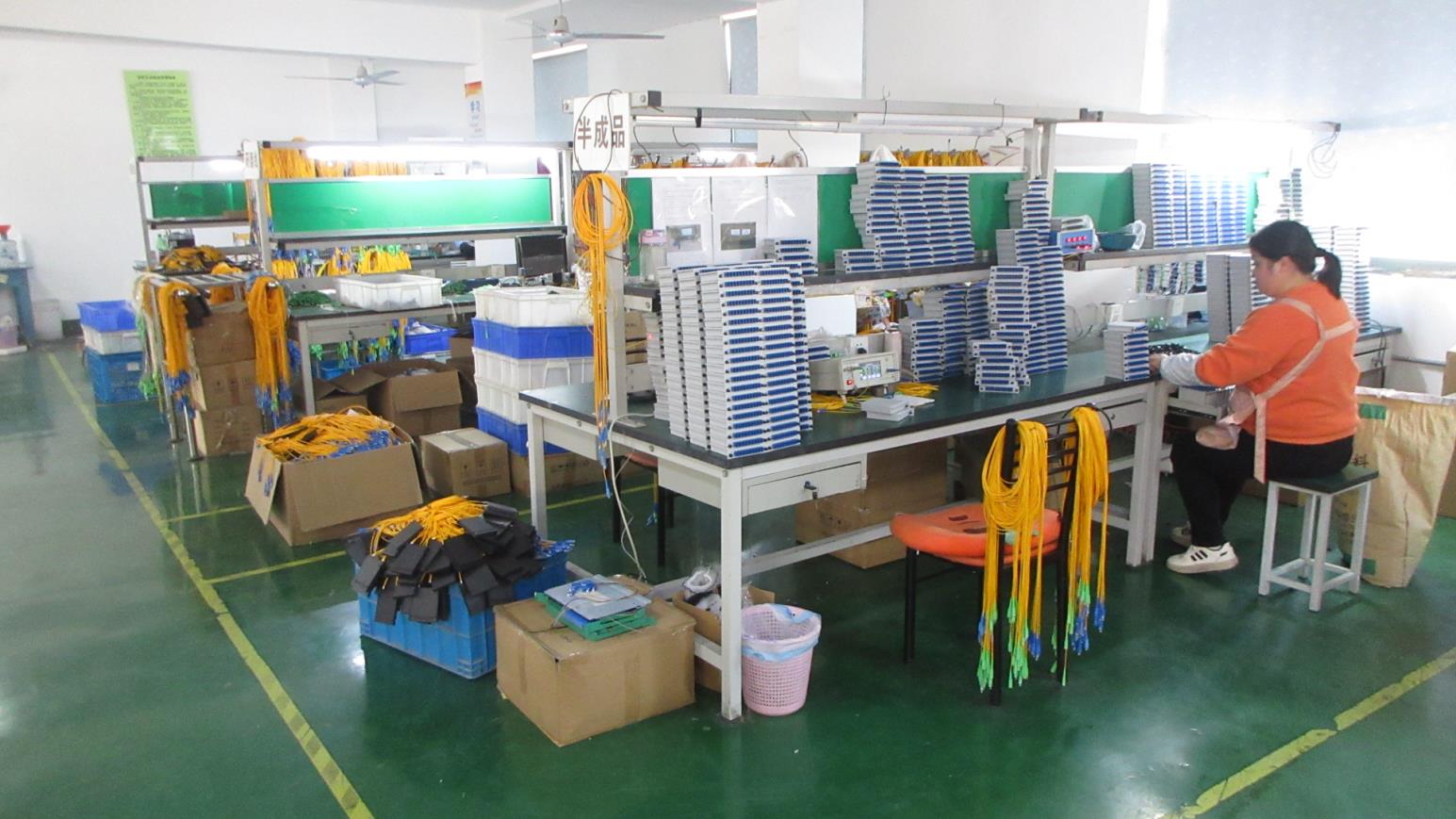
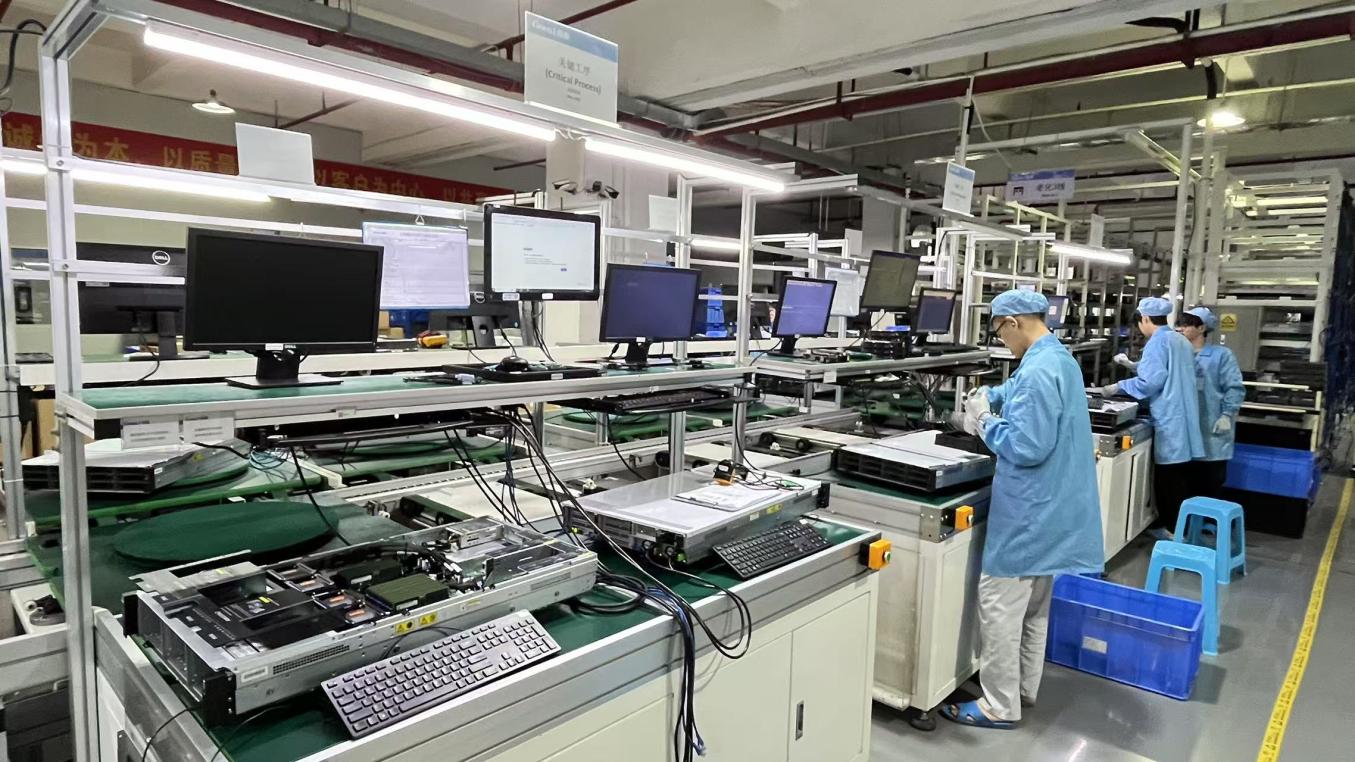
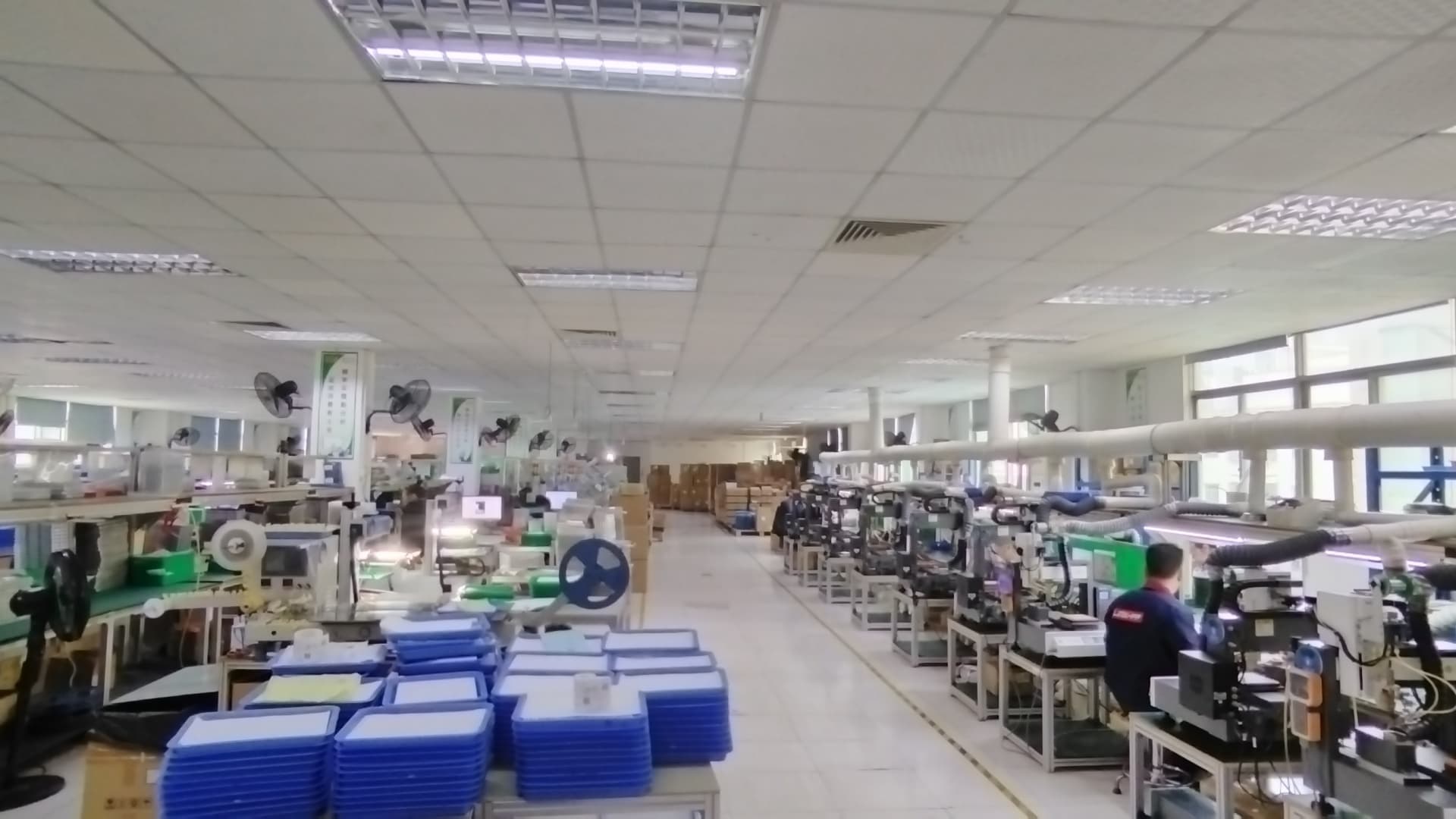
Key operational performance milestones of our deployments in international and regional data hubs.
Analyzing performance gains, DDR5 interfaces, PCIe Gen 5 routing, and AI computational acceleration.
The transition from V5 and V6 server platforms to the latest V7 standards represents a monumental shift in computing density. As datasets grow exponentially, memory bandwidth and interface limits often throttle traditional processors. By adopting standard V7 architectures, enterprises gain immediate access to DDR5 memory support (operating up to 6400MHz) and PCIe Gen 5.0 expansion buses, effectively doubling the bandwidth compared to the previous generation.
This technical evolution is especially critical for cloud operators in Panama who utilize deep virtualization technologies. Instead of packing server racks with multiple low-density machines, a single V7 rack server can handle up to three times the virtual machines (VMs) while consuming less physical footprint and minimizing local rack lease expenses in major capital cities like Panama City.
| Architecture Aspect | V5 / V6 Legacy Standards | V7 Advanced Standard | Impact for Panama Data Centers |
|---|---|---|---|
| Memory Interface | DDR4 RDIMM up to 3200 MT/s | DDR5 RDIMM up to 6400 MT/s | Enables double the database query speeds for banking apps. |
| PCIe Generation | PCIe Gen 3.0 / 4.0 (max 16 GT/s) | PCIe Gen 5.0 (up to 32 GT/s per lane) | Zero bottlenecking for high-speed NVMe storage arrays. |
| Thermal Threshold | Designed for static 30°C environments | Enhanced Heat Pipe + 45°C Ambient Tech | Protects hardware during ambient AC unit maintenance. |
| AI Coprocessor Support | Limited PCIe slot spacing | Optimized GPU bay thermal routing | Simplifies deployment of localized large language models. |
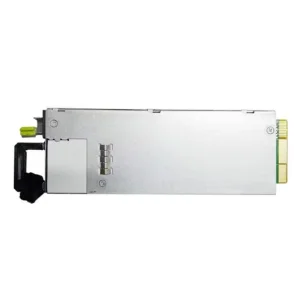
Procure certified components, performance-matched system memory, and redundant PSUs to customize your infrastructure.




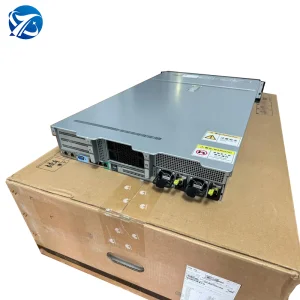
Streamlining procurement, regional taxation laws, and shipping channels within the Panama Free Zone.
Deploying major datacenter equipment in Central America involves navigating complex local regulatory frameworks and import taxes. Tensorium streamlines this phase by coordinating imports directly through the Colon Free Zone, providing substantial tax advantages for equipment intended for international transit or localized cloud operations under Panama's Special Economic Zone (ZLC) regulations. We supply all required safety documentation, including FCC Class A, CE, and UL certifications, to prevent delays at customs ports.
Furthermore, our engineering teams assist with local regulatory alignments, confirming that electrical installations meet the standards established by the Oficina de Seguridad de los Bomberos de Panamá. By offering hardware that supports multiple power ratings (ranging from 110V/220V AC typical configurations up to specialized DC environments for telecom grids), we ensure total out-of-the-box compatibility with local municipal grids and independent UPS banks.
Answers to technical and logistical questions from network administrators and purchasing agents in Panama.
Get in touch with our infrastructure planning team today to receive a customized quote, thermal engineering advice, and assistance with customs clearing logistics in Panama.