Tensorium
Tensorium
Tensorium
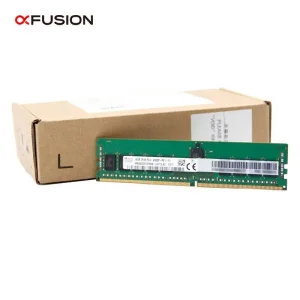
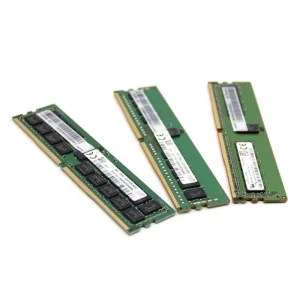
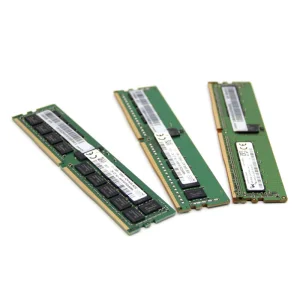
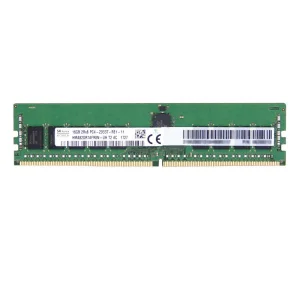
Enterprise DDR4 & DDR5 ECC RDIMMs engineered for high-performance hyperscale clusters, Edge deployments, and localized industrial computing solutions across Mexico.
Optimized 3200MHz Registered ECC RAM configured for low-latency virtualized environments in Mexican Enterprise Hubs.
How geopolitical shifts, hyperscale clustering, and high-temperature operating tolerances define modern server RAM architecture.
With AI clusters expanding exponentially, server architectures demand vast memory density. The transition from DDR4 to DDR5 platforms continues, yet DDR4 remains the dominant enterprise workhorse due to its optimal balance of thermal limits, stability, and acquisition cost. Today's global cloud environments require RAM components optimized for deep learning models and large databases that leverage advanced Error Correction Codes (ECC) to maintain 99.999% uptime.
Driven by the "Nearshoring" movement, Mexico has emerged as the premier cloud computing hub of Latin America. The state of Querétaro alone is now home to hyperscale hubs for major global cloud providers. Local manufacturing complexes in Monterrey and assembly lines in Chihuahua require edge compute frameworks that can withstand grid volatility and variable HVAC efficiency. Selecting server RAM built with reliable register clock drivers (RCD) and advanced thermal designs is crucial to preventing silent data corruption.
In many regions of northern and central Mexico, data centers operate under strict power usage effectiveness (PUE) requirements while managing high ambient external temperatures. When ambient heat rises, memory components are highly susceptible to timing degradation. Standard consumer-grade DRAM fails in these conditions. Tensorium memory solutions integrate premium tier-one ICs (SK Hynix, Samsung, Micron) coupled with embedded thermal sensors (TS) and optimized PCB layer structures to ensure consistent signaling margins at 1.2V and 1.1V standard operating modes.
Tailored implementations meeting the unique workloads of Mexican industry sectors.
Providing dense virtualization memory nodes where VM allocation relies on consistent Dual-Rank configurations to prevent thread contention.
Powering edge computational units in Nuevo León, processing real-time telemetry from robotic assembly lines with zero transmission error tolerance.
Reliable high-speed memory for transactional servers running encrypted transaction logs in Mexico City, relying on ECC error correction.
Unlocking high performance and reliability through JEDEC-compliant registered engineering.
In high-density compute environments, the memory subsystem often becomes the primary bottleneck. As CPU core counts increase (for example, with dual EPYC 9654 processors featuring 192 cores total), memory bandwidth per core declines unless multi-channel, high-frequency RAM is deployed. Our server memory modules leverage JEDEC DDR4 and DDR5 design guidelines, using 8-layer or 10-layer PCB engineering to reduce crosstalk and ensure clean signal lines under full capacity loads.
A cycle latency timing of 0.625ns combined with a data rate of 3200MHz allows for rapid bus cycle turnarounds. For transactional banking and scientific calculations in Mexico, this guarantees minimal queue bottlenecks at the memory controller level.
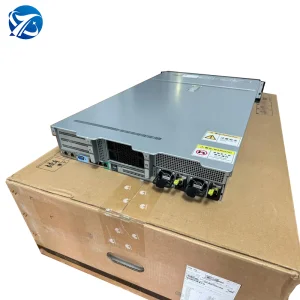
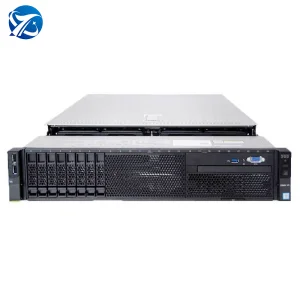
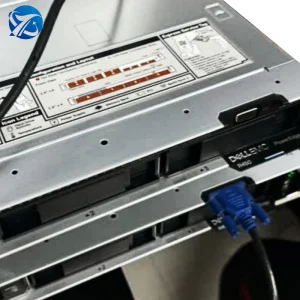
For standard deployment sizes (up to 256GB per node), Registered DIMMs (RDIMMs) offer the ideal latency profile and cost efficiency. The integrated Register Clock Driver (RCD) buffers the command and address signals, reducing the electrical load on the system memory controller. When systems scale to massive multi-terabyte arrays, Load-Reduced DIMMs (LRDIMMs) add data buffers (DB) to isolate the data lines as well. However, this introduces slight latency penalties. For most applications running on modern platforms like xFusion Fusionserver and Dell PowerEdge in Mexico, modern RDIMMs with dual-rank configurations offer the optimized sweet spot for read/write performance.
A professional manufacturer and global supplier of high-performance AI GPU servers and intelligent computing solutions.
Founded in 2016, Tensorium Intelligent Technology Co., Ltd. is a professional manufacturer and global supplier of high-performance AI GPU servers, GPU clusters, and intelligent computing infrastructure solutions. We specialize in delivering reliable, scalable, and customized computing platforms for artificial intelligence training, inference, deep learning, HPC, and enterprise data center applications.
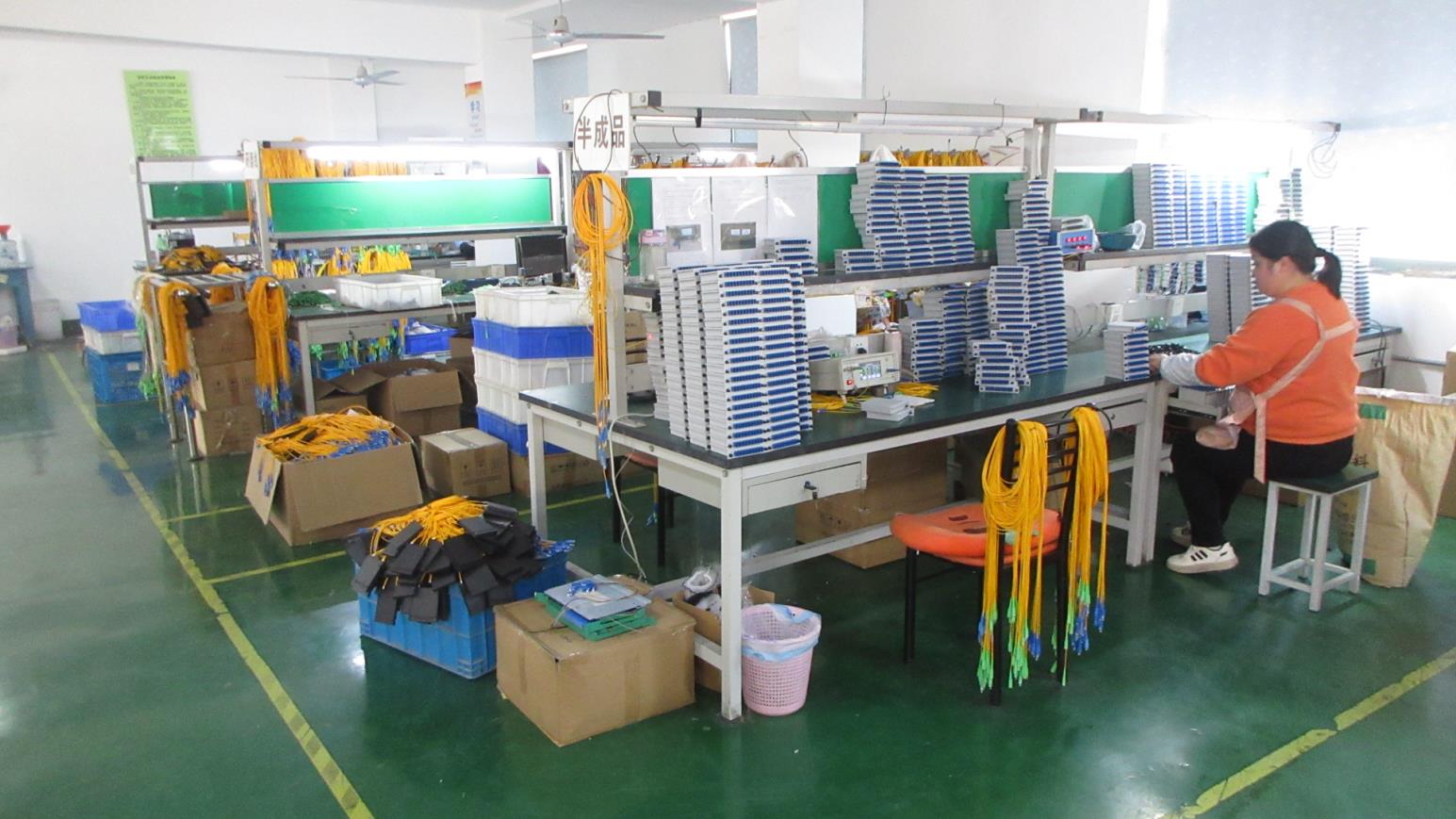
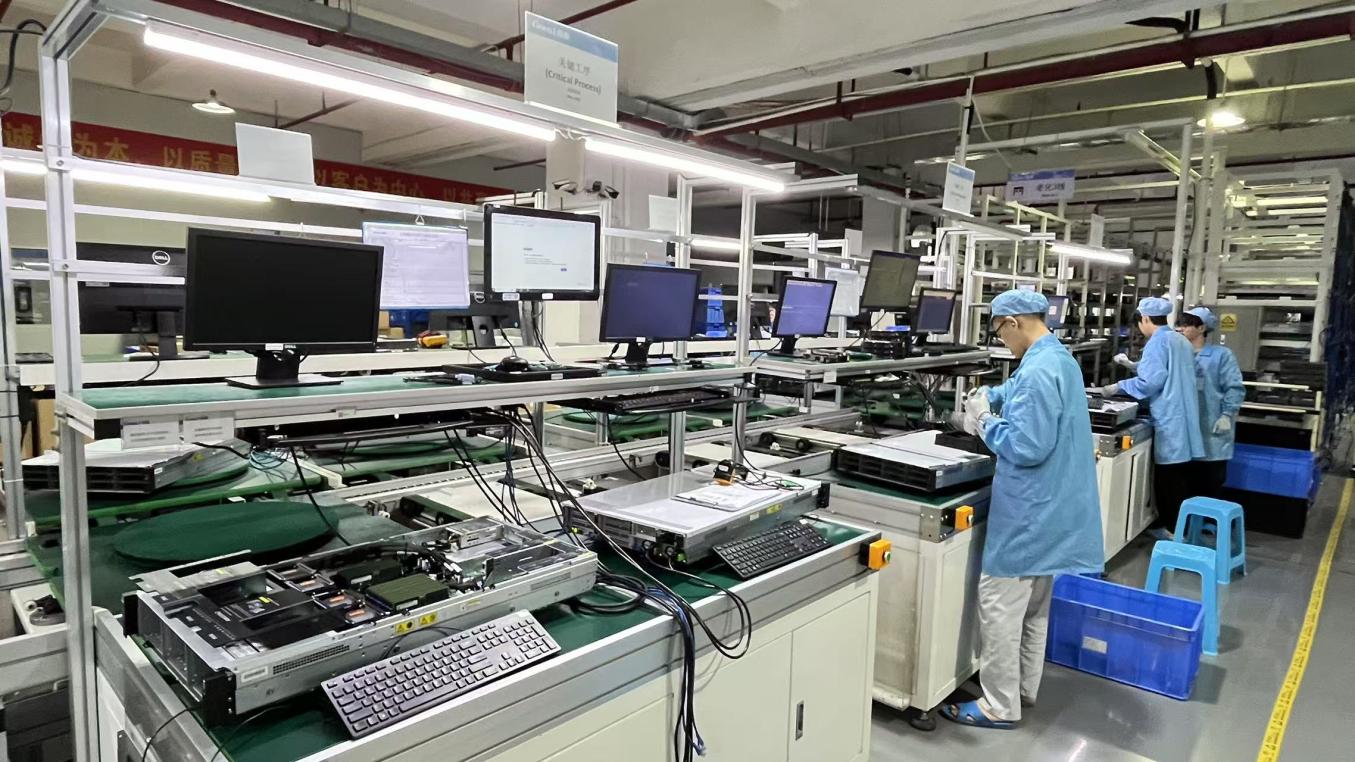
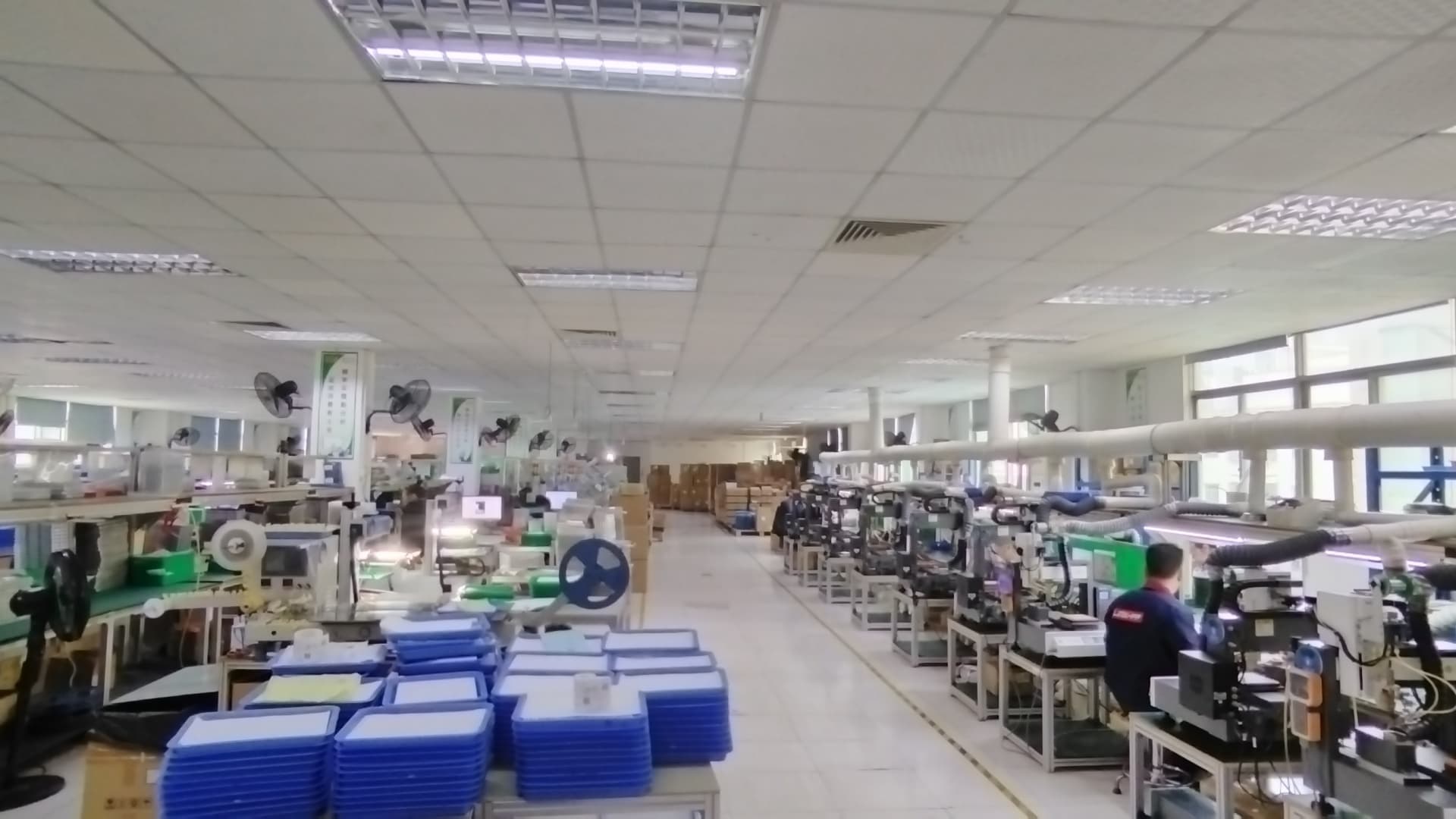
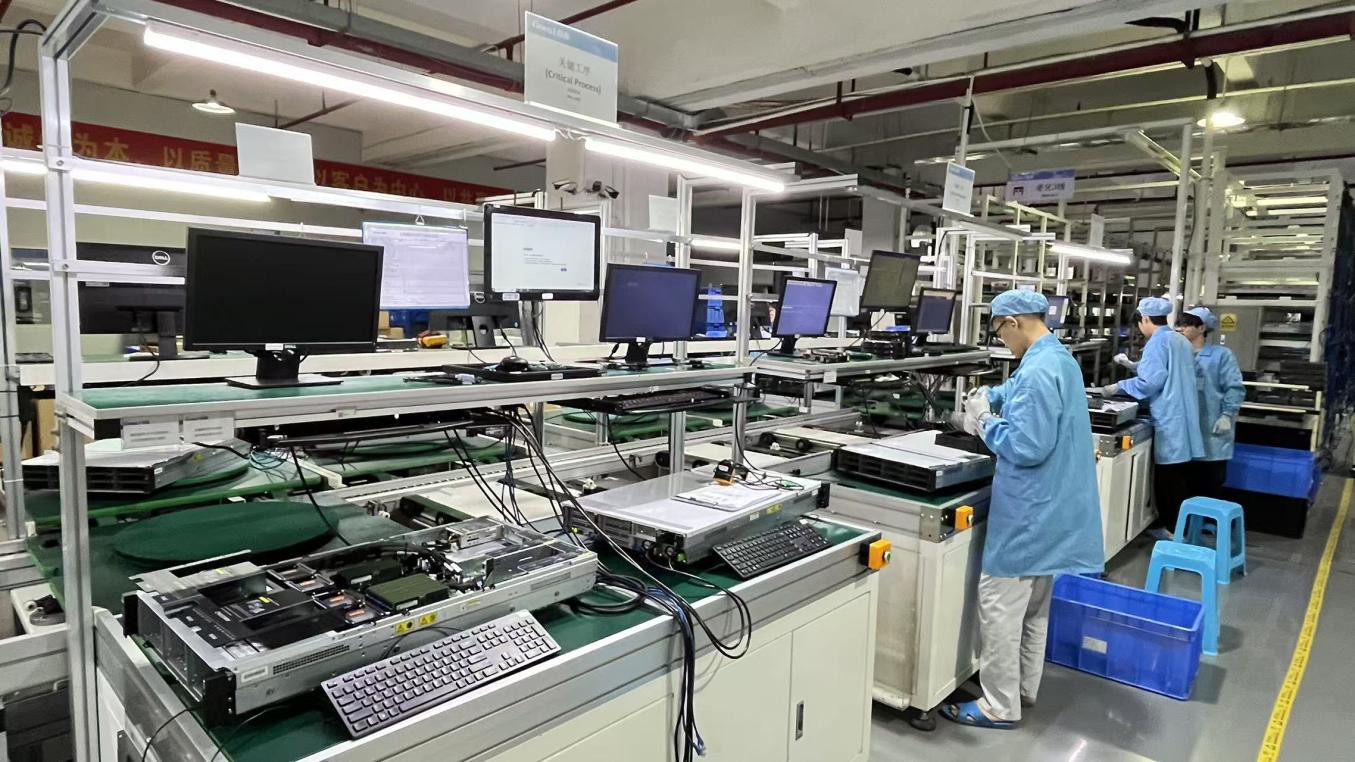
Located in Guangdong, China, Tensorium operates a modern manufacturing facility covering over 380㎡ and serves customers across North America, Europe, the Middle East, Southeast Asia, and other global markets. With years of experience in the AI computing industry, we have established a strong reputation for product quality, engineering expertise, and responsive customer service.
Our annual export revenue exceeds USD 18 million, supported by an extensive supply chain network of more than 1,200 trusted partners worldwide. We work closely with AI startups, cloud service providers, system integrators, research institutions, enterprise customers, and data center operators seeking high-performance computing solutions.
Innovation is at the core of our business. Our R&D team consists of over 120 experienced engineers dedicated to developing advanced GPU server architectures, AI cluster solutions, and customized computing systems. Last year alone, we successfully launched more than 80 new products and configurations tailored to emerging AI workloads and evolving customer requirements.
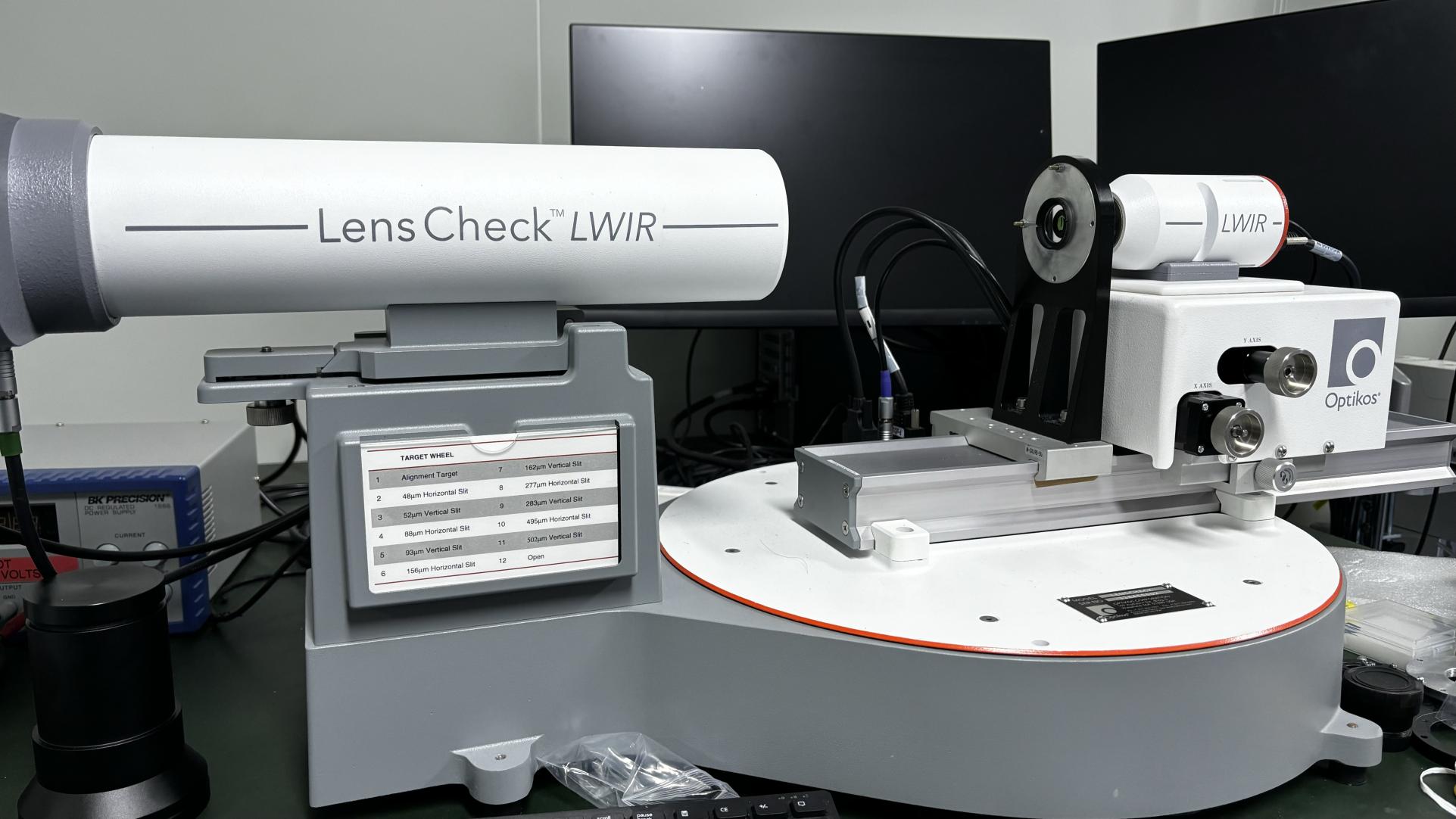
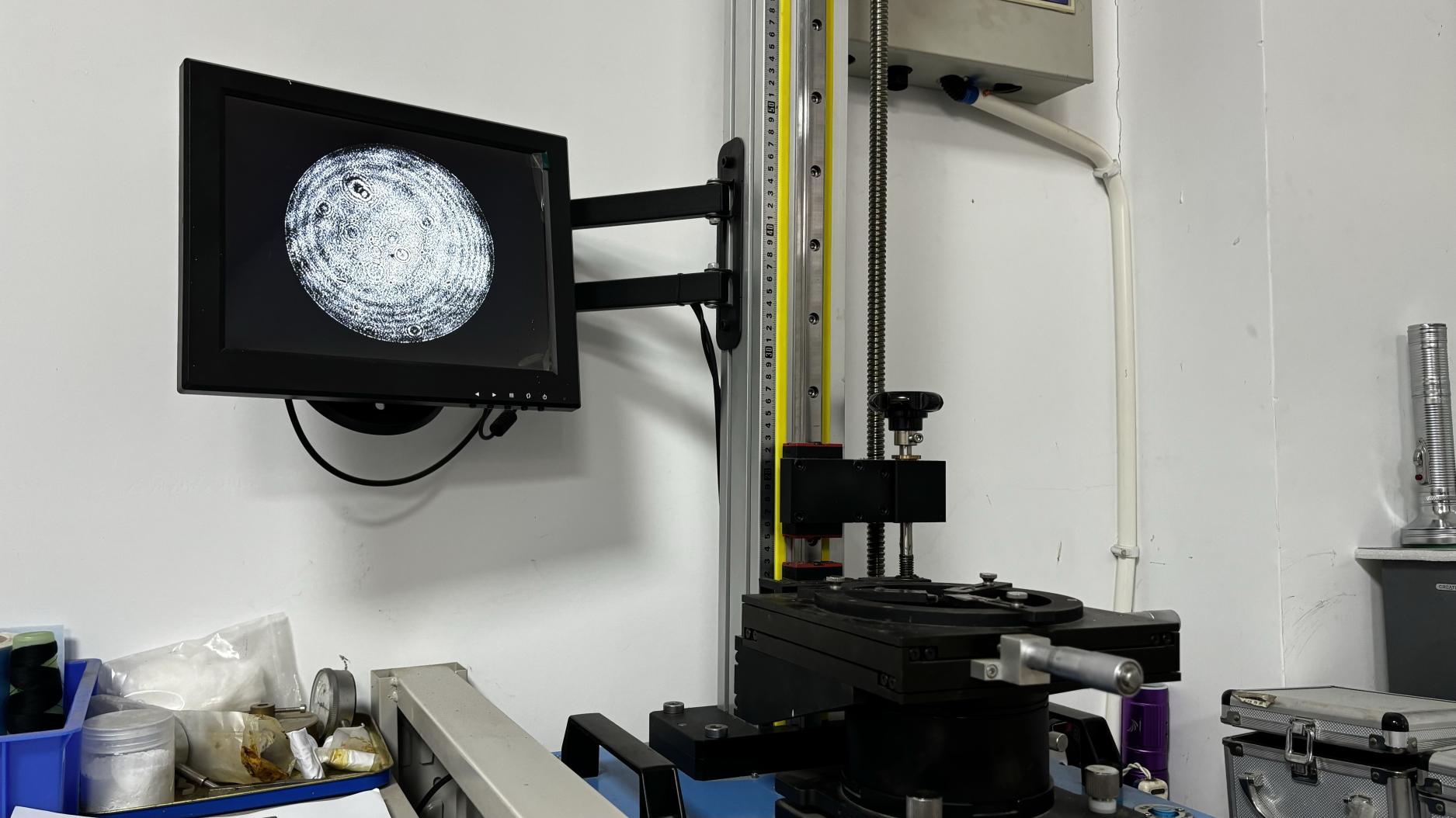
Quality is embedded throughout our manufacturing process. Tensorium maintains strict quality control standards with a dedicated team of 45 quality inspectors. Every product undergoes comprehensive inspections, including component verification, assembly inspection, system integration testing, burn-in testing, thermal performance validation, stability testing, and final quality assurance before shipment.
With strong OEM and ODM capabilities, we provide flexible customization options including GPU configuration, CPU platform selection, storage architecture, networking solutions, rack integration, branding services, and complete AI infrastructure deployment support. Our engineering team works closely with customers to deliver solutions optimized for their specific workloads and business objectives.
Backed by advanced manufacturing capabilities, continuous innovation, and a customer-focused approach, Tensorium is committed to helping organizations accelerate AI adoption and unlock the full potential of intelligent computing technologies.
Ensuring secure supply chains and frictionless customs clearances into Mexico.
Importing computing equipment into Mexico requires rigorous adherence to safety standards. Our server hardware, servers, and power configurations comply with NOM-019-SCFI-1998 (Safety of data processing equipment) and NOM-001-SCFI-2018. By pre-testing all items in our certified labs, we ensure that products pass customs assessments smoothly without delays in Veracruz, Laredo, or Manzanillo ports.
We work with experienced Mexican import brokers (Agente Aduanal) to support custom tariff classifications (Fracción Arancelaria) for DRAM and server chassis. Whether you are using a standard "Padrón de Importadores" or require a complete Delivered Duty Paid (DDP) program, Tensorium coordinates logistics to your exact destination—be it a Querétaro datacenter rack or a Monterrey industrial park.
We supply complete technical documentation, data sheets, and certificates of origin to facilitate lightning-fast custom registration clearance.
Every batch shipped to Mexico is certified to withstand long-term operation within standard telecom temperature brackets (Class A1 to A4 parameters).
Evaluating DDR5, CXL 2.0/3.0, and high-density AI memory topologies.
As CPU platforms shift to newer sockets supporting DDR5 (such as Intel's 4th Gen Xeon Scalable and AMD EPYC Zen 4), the performance profile moves from 3200MT/s up to 4800MT/s and 5600MT/s. DDR5 relocates the Power Management IC (PMIC) directly onto the memory module itself rather than leaving it on the motherboard. This allows for cleaner, localized power regulation, lowering overall power demands to 1.1V, which is crucial for reducing green energy overhead metrics in hyperscale arrays.
Furthermore, Compute Express Link (CXL) is introducing a paradigm shift where memory can be pooled across multiple server nodes using high-bandwidth PCIe Gen 5 lanes. Tensorium is actively developing next-generation CXL memory expansion modules to allow data centers in Monterrey and CDMX to dynamically allocate RAM to demanding virtualization applications without adding redundant system host nodes.
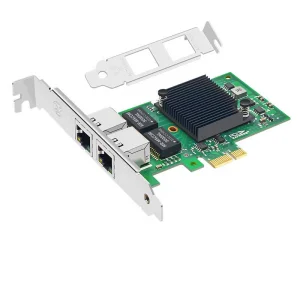
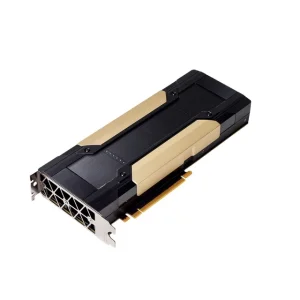
Maximize computing output with full servers, array cards, and accelerators designed to operate with our memory solutions.
Direct answers regarding performance capabilities, system compatibility, and regional shipping compliance.
Connect with our expert team to secure custom OEM quotes, obtain technical compatibility charts, or clarify import options for Mexico.
Send Inquiry Now