Tensorium
Tensorium
Tensorium
Explore high-throughput optical switches and advanced computing systems deployed in core UK networks.

The United Kingdom's enterprise networking sector is undergoing a massive paradigm shift. As data sovereignty mandates tighten under post-Brexit UK GDPR, public sectors, financial hubs in the City of London, and manufacturing corridors in the Midlands demand secure, localized, and high-performance communication fabrics.
"By 2026, over 70% of UK mid-to-large enterprises will shift to software-defined (SDN) optical networks to balance local compliance, low latency, and net-zero energy standards."
This transformation is fueled by the continuous rollout of Edge Computing infrastructure and private 5G networks in logistics and aerospace industries. Consequently, the reliance on high-throughput optical switches and server racks has increased exponentially to prevent computational bottlenecks in hybrid clouds.
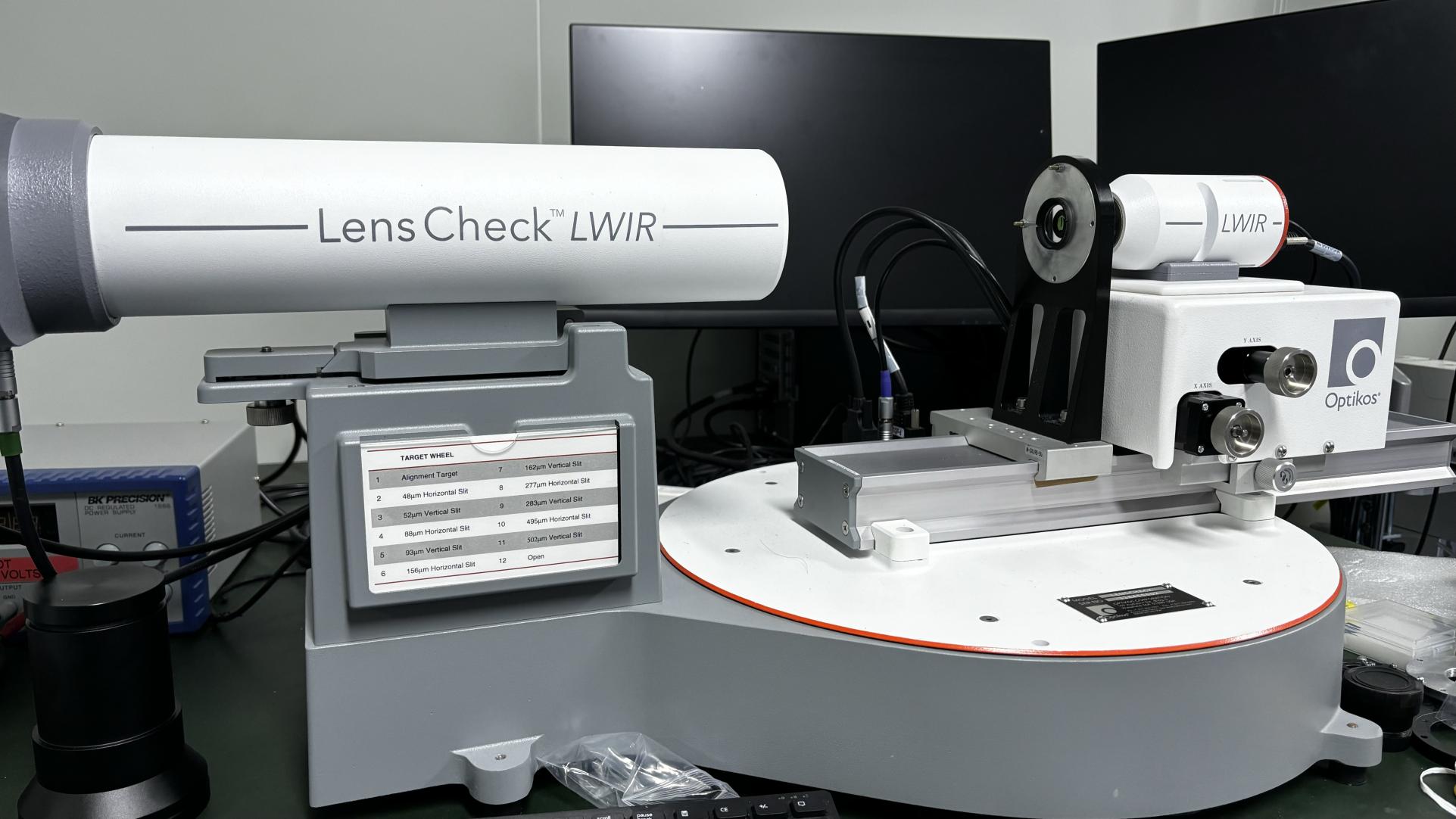
A statistical breakdown of Tensorium's industry footprint and manufacturing capability.
Understanding latency profiles and bandwidth topologies in UK data center environments.
Legacy architectures rely heavily on Layer 2 switches that struggle with large-scale multi-tenant virtualization platforms. Modern UK infrastructure demands Layer 3 (L3) Optical Core switches that process packets at wire speed with minimal microsecond latency. L3 routing protocols like OSPF, BGP, and static routing are executed directly on hardware ASICs, enabling seamless inter-VLAN routing without overloading central firewalls.
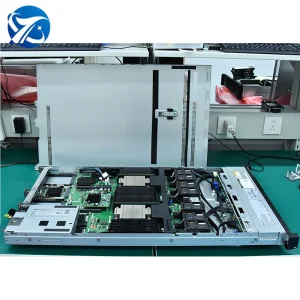
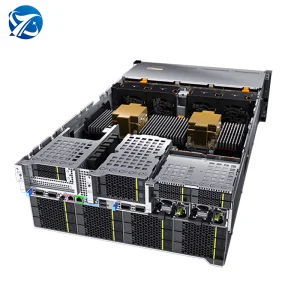
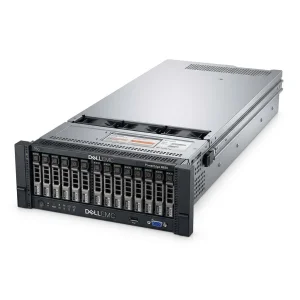
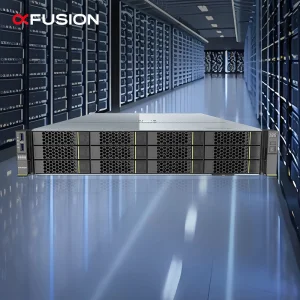
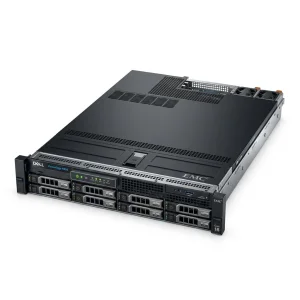
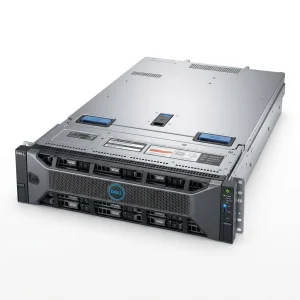
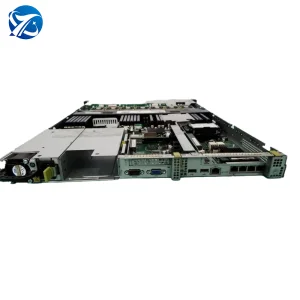
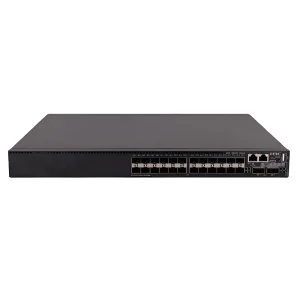
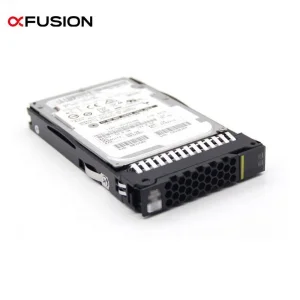
When deploying platforms like the H3C S6520X-30QC-EI, networks gain native support for multi-rate ports (10G/40G/100G), allowing step-by-step physical migration. The inclusion of 40GE optical links acts as an high-speed uplink conduit, preventing bottleneck constraints between core compute racks (such as Dell PowerEdge and xFusion server blocks) and distribution network arrays.
Additionally, technologies like VxLAN (Virtual Extensible LAN) enable overlay networks that stretch Layer 2 networks across Layer 3 boundaries. This configuration is critical for UK system integrators deploying hyper-converged infrastructure (HCI) where live migration of virtual machines (VMs) requires persistent IP addressing across disparate zones.
| Deployment Model | Backplane Bandwidth | Port Configuration Options | UK Target Use-Case | Typical Node Latency |
|---|---|---|---|---|
| Core Spine Switched | Up to 2.4 Tbps | 32x 40G/100G QSFP28 | Hyperscale Data Center & AI Clusters | < 1.2 microseconds |
| Aggregation / Leaf | Up to 960 Gbps | 24x 10G SFP+ & 4x 40G Uplinks | Enterprise Campus & Storage SANs | < 2.5 microseconds |
| Edge Compute Access | Up to 176 Gbps | 48x 1G/2.5G RJ45 + 4x 10G SFP+ | Smart Factories & IoT Edge Clusters | < 5.0 microseconds |
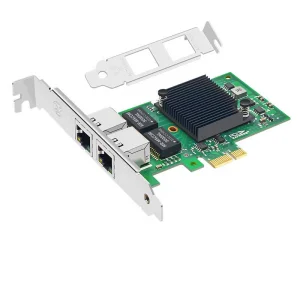
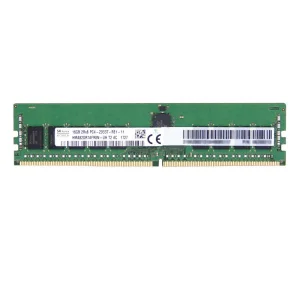
Maximize compute-to-switch efficiency using compatible PCIe 4.0/5.0 interfaces and memory architecture.

With the UK government targeting Net-Zero greenhouse gas emissions by 2050, every enterprise network node is under scrutiny. Data centers alone consume a massive percentage of the UK grid. Therefore, procurement teams must select hardware with high power-to-performance efficiency ratings.
Modern core switches minimize power draw via advanced power saving schemes (IEEE 802.3az Energy Efficient Ethernet). By dynamically scaling port power according to real-time traffic volume and cable run length, network operators can cut power draw by up to 35% during non-peak hours.
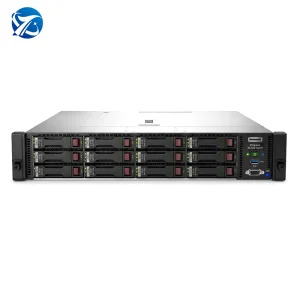
Tensorium partners with UK operators to align hardware acquisitions with environmental KPIs. From liquid-cooling compatibility in server platforms like the HPE ProLiant DL360 Gen12, to smart thermal monitoring in switches, our systems minimize localized heat production, lowering facility PUE (Power Usage Effectiveness) metrics.
Ensuring compliance across regional hardware regulations and network security standards.
Deploying networking hardware within UK territories requires adherence to the UKCA (UK Conformity Assessed) marking regulations, which took effect for physical products placed on the market in Great Britain. This marking demonstrates conformity to the electromagnetic compatibility (EMC) standards, low voltage safety directives (LVD), and restriction of hazardous substances (RoHS).
Our infrastructure hardware undergoes rigorous third-party inspection, certifying that all imported switches and servers comply with BSI regulations. Additionally, for enterprises maintaining cross-border operations between Northern Ireland, Ireland, and mainland Europe, our products carry dual CE and UKCA marks to streamline regional customs checks.
Data Security Shielding: In alignment with NIS Regulations (Network and Information Systems Regulations 2018) and the UK National Cyber Security Centre (NCSC) guidance, our switches support hardware-based ACL filtering, advanced 802.1X network access control, and encrypted secure shell communication interfaces (SSHv3) to block hardware-level backdoors.
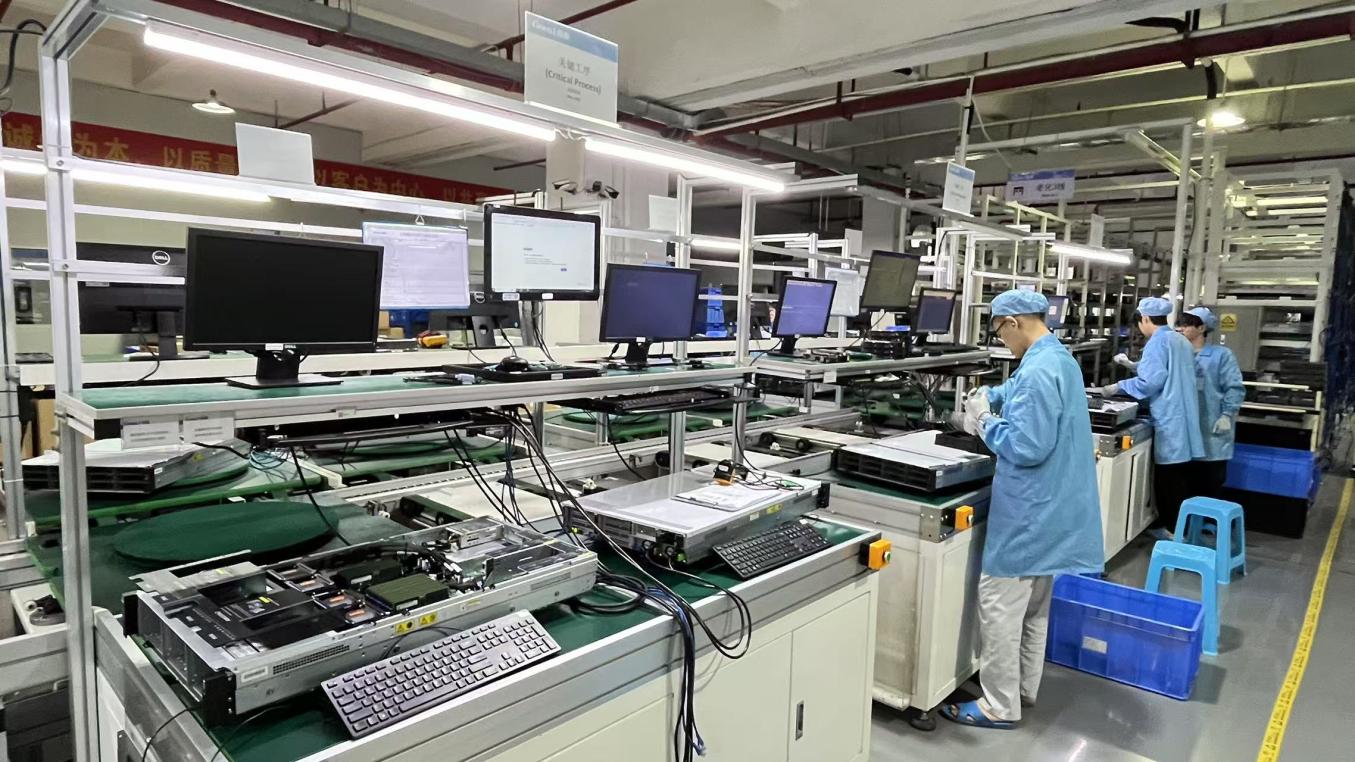
A global manufacturer delivering robust, scalable infrastructure for computational workloads.
Founded in 2016, Tensorium Intelligent Technology Co., Ltd. is a professional manufacturer and global supplier of high-performance AI GPU servers, GPU clusters, and intelligent computing infrastructure solutions. We specialize in delivering reliable, scalable, and customized computing platforms for artificial intelligence training, inference, deep learning, HPC, and enterprise data center applications.
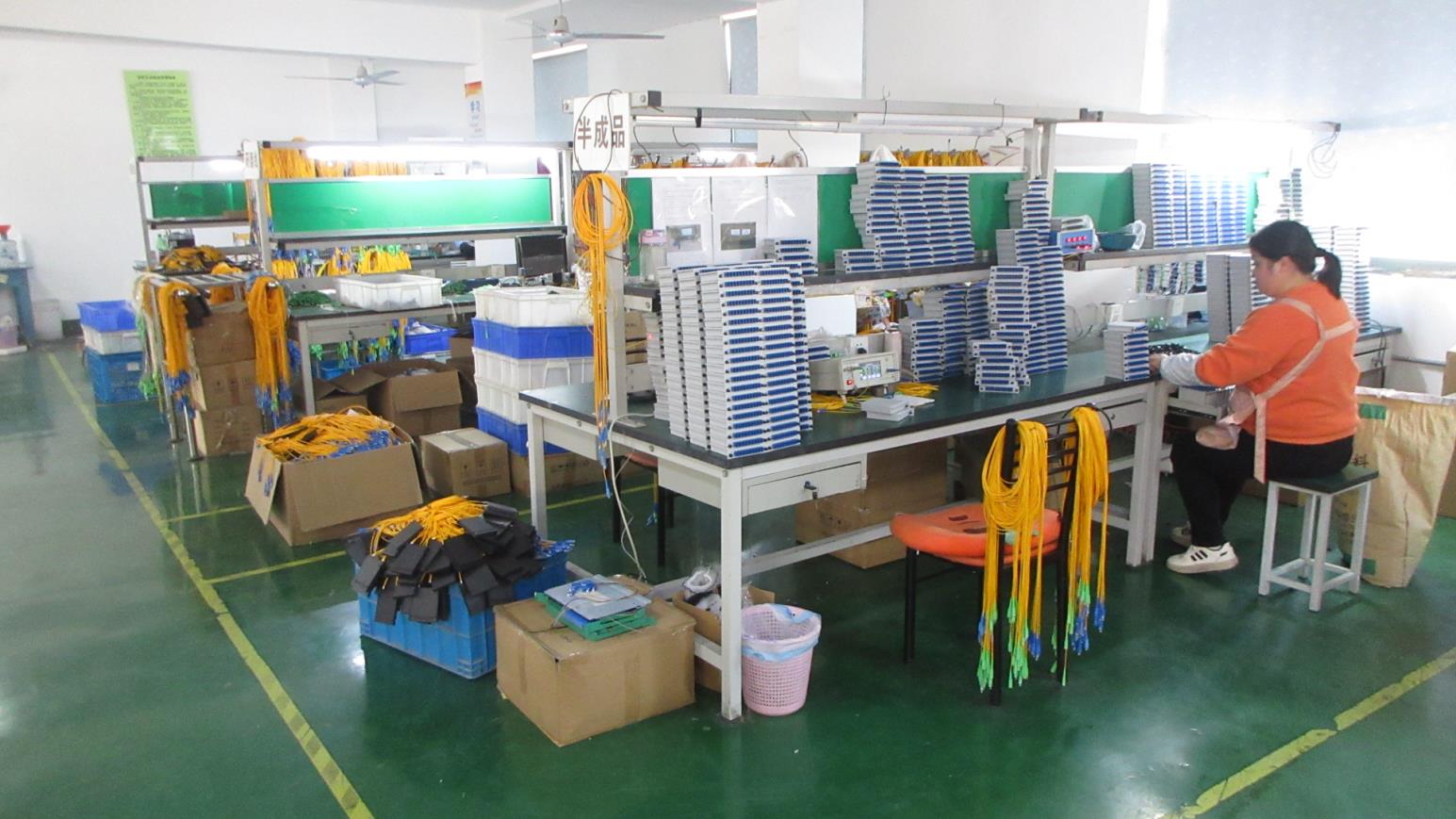
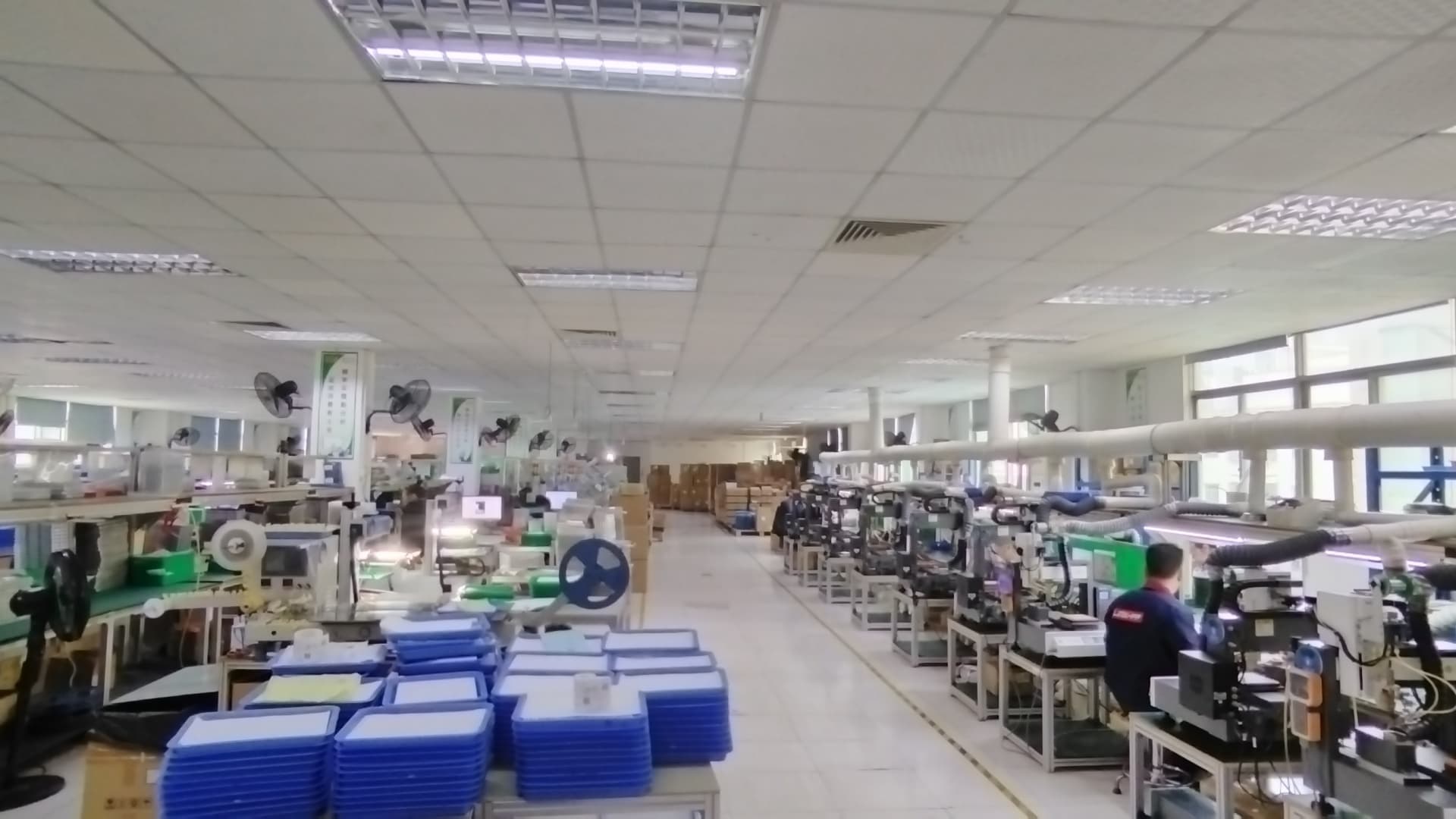
Located in Guangdong, China, Tensorium operates a modern manufacturing facility covering over 380㎡ and serves customers across North America, Europe, the Middle East, Southeast Asia, and other global markets. With years of experience in the AI computing industry, we have established a strong reputation for product quality, engineering expertise, and responsive customer service.
Innovation is at the core of our business. Our R&D team consists of over 120 experienced engineers dedicated to developing advanced GPU server architectures, AI cluster solutions, and customized computing systems. Last year alone, we successfully launched more than 80 new products and configurations tailored to emerging AI workloads and evolving customer requirements.
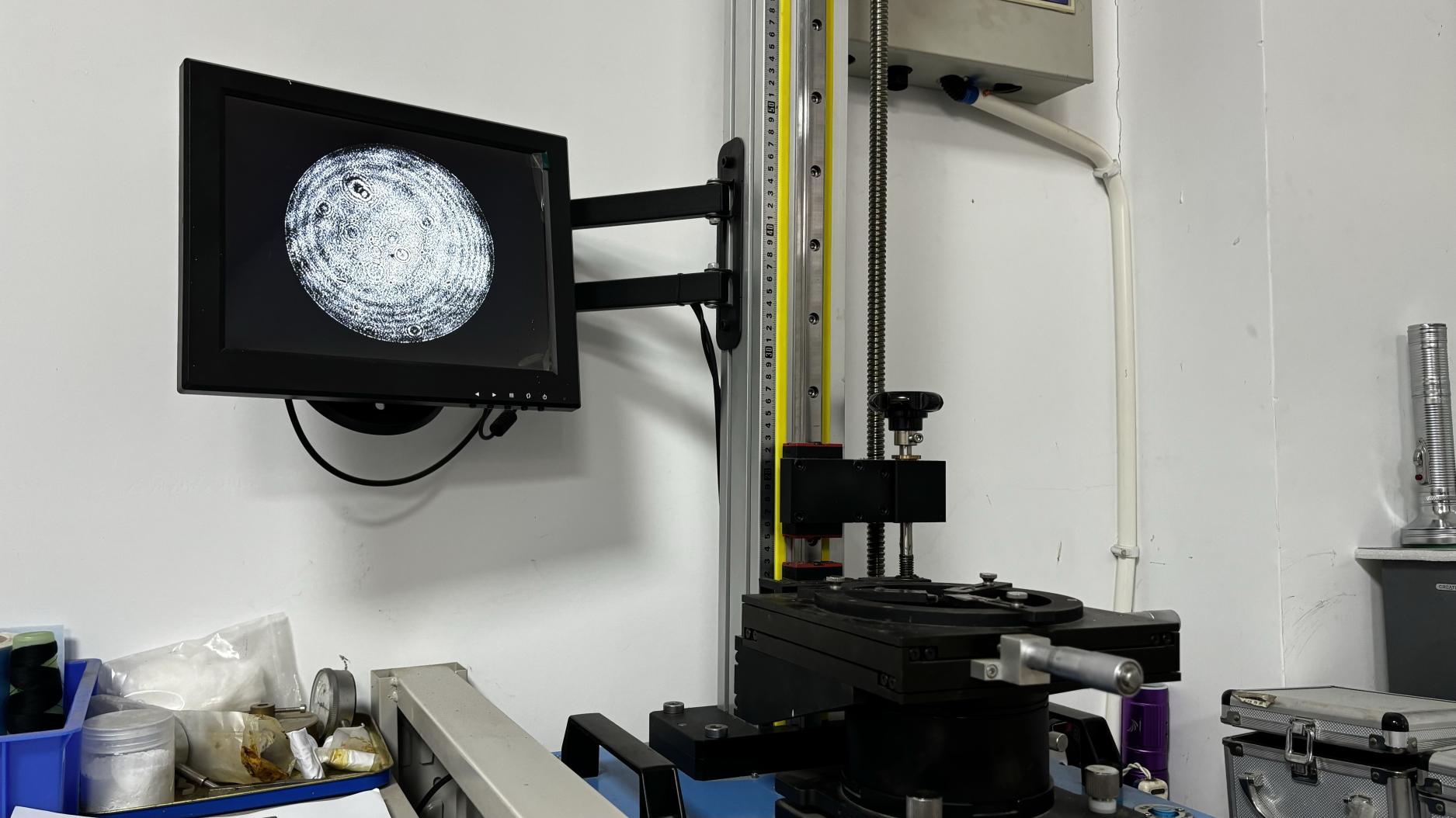
Quality is embedded throughout our manufacturing process. Tensorium maintains strict quality control standards with a dedicated team of 45 quality inspectors. Every product undergoes comprehensive inspections, including:

Future-proofing network architectures for AI, high-frequency trading, and petabyte data operations.
As workload computational requirements soar due to LLM (Large Language Model) clusters and real-time big data analysis, network architectures must adapt. The current 10G and 40G standards are rapidly transforming into high-density 100G, 400G, and eventually 800G fabrics.
Tensorium is planning ahead by researching CPO (Co-Packaged Optics) systems. By integrating silicon photonics devices directly with the switch ASIC, signal transmission paths are significantly shortened, reducing signal loss and lowering optical transceiver power consumption by up to 50%.
Additionally, our next generation platforms will adopt TSN (Time-Sensitive Networking) protocols. This allows standard Ethernet infrastructures to deliver deterministic latency guarantees, which is vital for smart factories in Northern England and real-time financial trading engines in Slough.
Common questions from UK procurement officers and network design engineers.
Explore the full portfolio of server chassis, processing memory, and network components.