Tensorium
Tensorium
Tensorium
Discover our custom-engineered servers, high-density storage arrays, and network cards optimized for load-balanced environments.
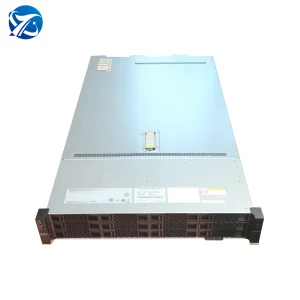
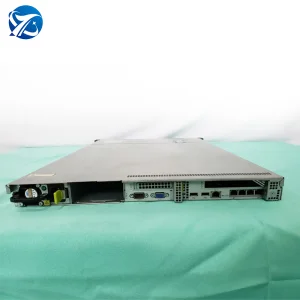
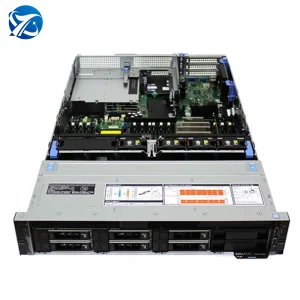
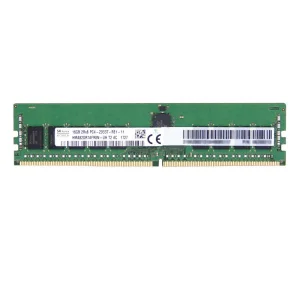
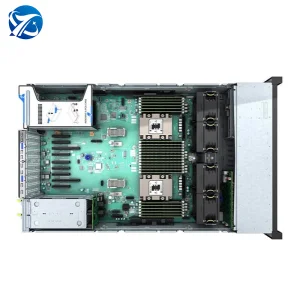
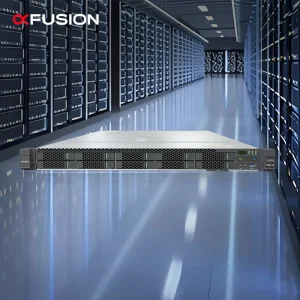
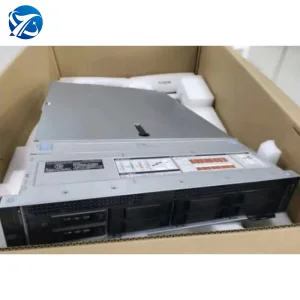
Modern datacenter architectures demand more than raw computing power. As global applications transition to microservices and AI-driven deep learning models, load balancing solutions act as the critical nervous system of hardware clusters. At Tensorium Intelligent Technology Co., Ltd., we combine enterprise physical servers with dynamic application delivery controller (ADC) methodologies, facilitating reliable routing pathways across local, virtualized, and bare-metal environments.
Whether navigating Layer 4 (TCP/UDP transmission control) or Layer 7 (Application layer content routing), modern traffic distribution requires a deep synergy between system hardware configuration and traffic orchestration algorithms. From high-capacity PCIe NVMe solid-state storage solutions to modular multicore Xeon processing units, balancing the data plane ensures that local resources remain highly available, resilient to unexpected spikes, and physically safe from structural single-points-of-failure.
Aligning physical server capabilities with high-availability requirements across major industrial sectors.
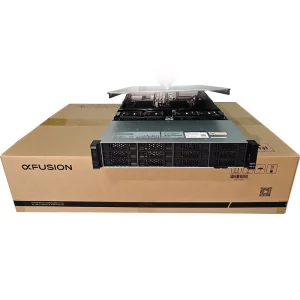
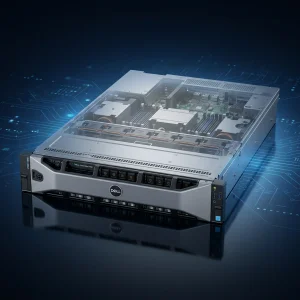
Deploying GPU clusters for AI execution requires massive throughput. Our solutions integrate xFusion and Dell PowerEdge deep-learning configurations with load balancing architectures to efficiently distribute massive datasets to processing clusters, mitigating data ingestion bottlenecks.
We provide hybrid cloud scaling leveraging multi-socket high-density server architectures (such as 1U/2U configurations). This setup features custom hardware profiles designed for containerized deployment routing and microservices API distribution.
Our solutions prevent storage request timeouts by utilizing PM9A3 series NVMe storage drives paired with robust network-attached storage architectures. Data queries are balanced across read-dense disks, offering seamless stability under high request velocities.
Over a decade of manufacturing experience delivering advanced enterprise computing infrastructures.
In today's global economy, computing nodes are distributed across geographical regions to minimize latency. Dynamic load balancing at a global level (Global Server Load Balancing - GSLB) is critical. It routes inbound users to the nearest physical datacenter depending on the origin region, network health, and server telemetry. Tensorium designs customized OEM & ODM computing platforms for deployment across Europe, North America, the Middle East, and Southeast Asia. These servers are engineered to function under complex global scaling protocols.
A key commercial challenge faced by procurement teams is matching hardware lifecycle profiles with shifting cloud traffic structures. By choosing modular systems like the FusionServer series and PowerEdge platforms, enterprise datacenters maintain the flexibility to swap components dynamically. This architecture allows organizations to scale storage through fast SAS and NVMe drives or upgrade computational power with high-density RAM modules as network traffic dictates.
Operating computational nodes globally requires strict adherence to international safety and data compliance protocols. Load balancing networks frequently handle decrypted, sensitive customer payload data, making compliance with standards like GDPR, HIPAA, and PCI-DSS paramount. Tensorium-manufactured servers support Hardware Security Module (HSM) integrations and Trusted Platform Module (TPM) technologies, assuring secure key storage and protected cryptographic execution pathways.
Furthermore, hardware safety certifications including CE, FCC, RoHS, and UL ensure our rack enclosures meet power efficiency and thermal mitigation standards, minimizing environmental risks while guaranteeing operational integrity within critical business infrastructures.
How industry leaders apply load-balanced server hardware in real-world scenarios.
Deploying 1U servers on manufacturing floors for local device control. Hardware load-balancing ensures low-latency execution of automated assembly protocols, routing edge telemetry safely to localized analytics platforms.
Handling large language model inquiries (such as DeepSeek engine configurations). Rack servers are organized into clusters where incoming client traffic is balanced, maximizing GPU resource usage and preventing host queue saturation.
Integrating PCIe NVMe PM9A3 read-dense drives with double-socket processors to process market feeds. Dynamic Layer 4 load balancing splits execution orders across redundant systems to prevent memory bottlenecks.
A professional manufacturer of high-performance AI GPU servers and intelligent computing infrastructure.
Founded in 2016, Tensorium Intelligent Technology Co., Ltd. is a professional manufacturer and global supplier of high-performance AI GPU servers, GPU clusters, and intelligent computing infrastructure solutions. We specialize in delivering reliable, scalable, and customized computing platforms for artificial intelligence training, inference, deep learning, HPC, and enterprise data center applications.
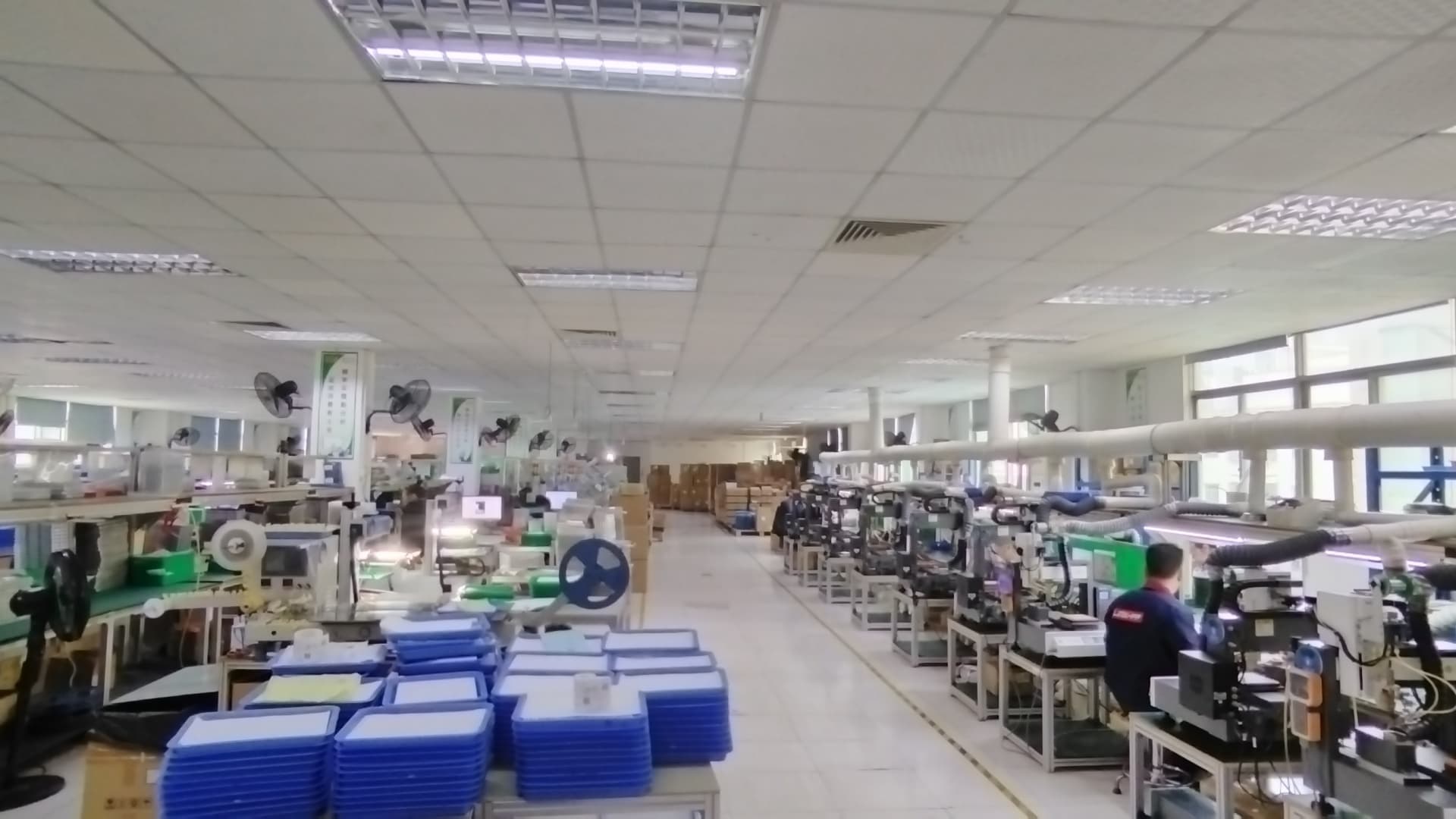
Located in Guangdong, China, Tensorium operates a modern manufacturing facility covering over 380㎡ and serves customers across North America, Europe, the Middle East, Southeast Asia, and other global markets. With years of experience in the AI computing industry, we have established a strong reputation for product quality, engineering expertise, and responsive customer service.
Innovation is at the core of our business. Our R&D team consists of over 120 experienced engineers dedicated to developing advanced GPU server architectures, AI cluster solutions, and customized computing systems. Last year alone, we successfully launched more than 80 new products and configurations tailored to emerging AI workloads and evolving customer requirements.
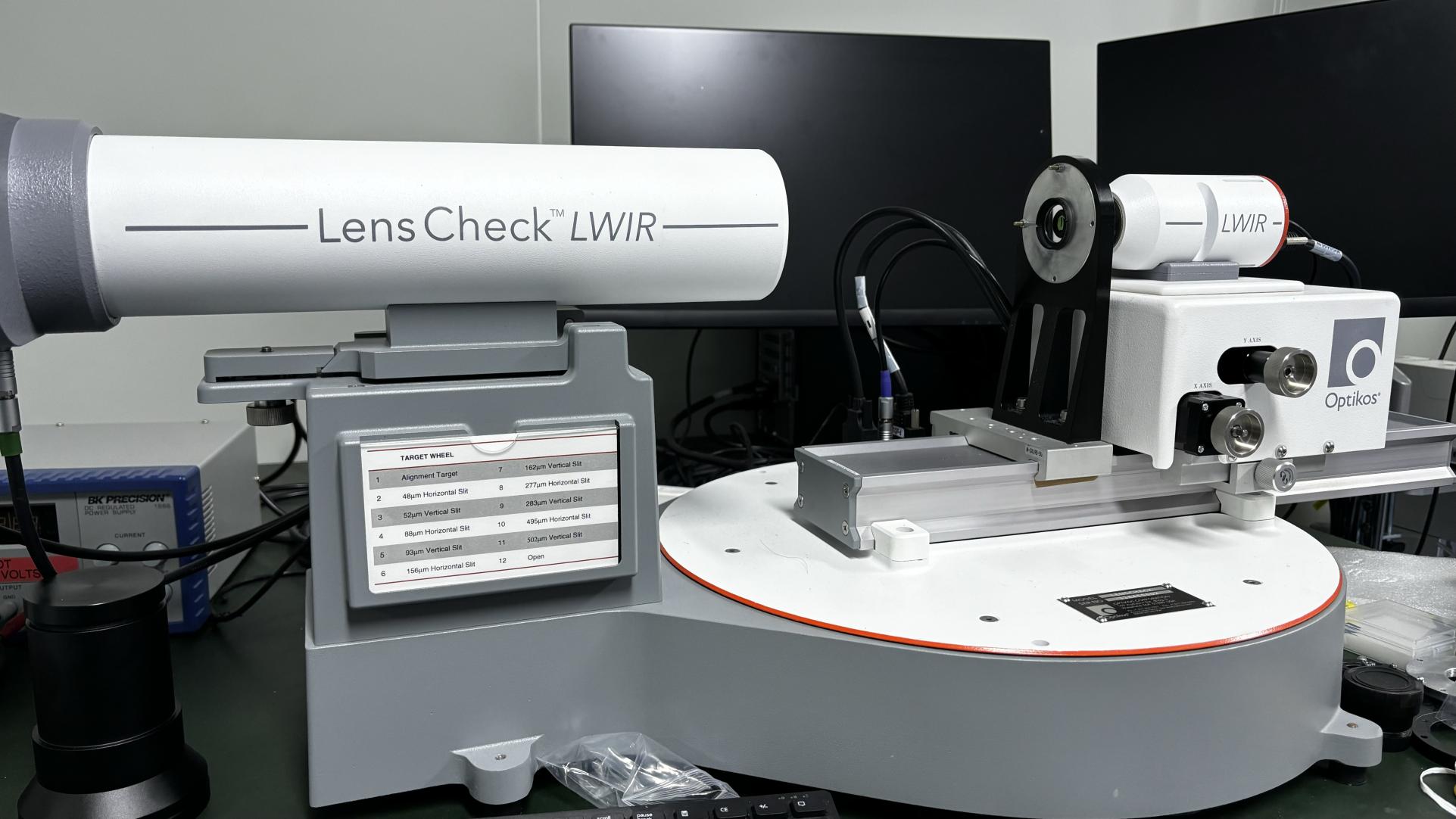
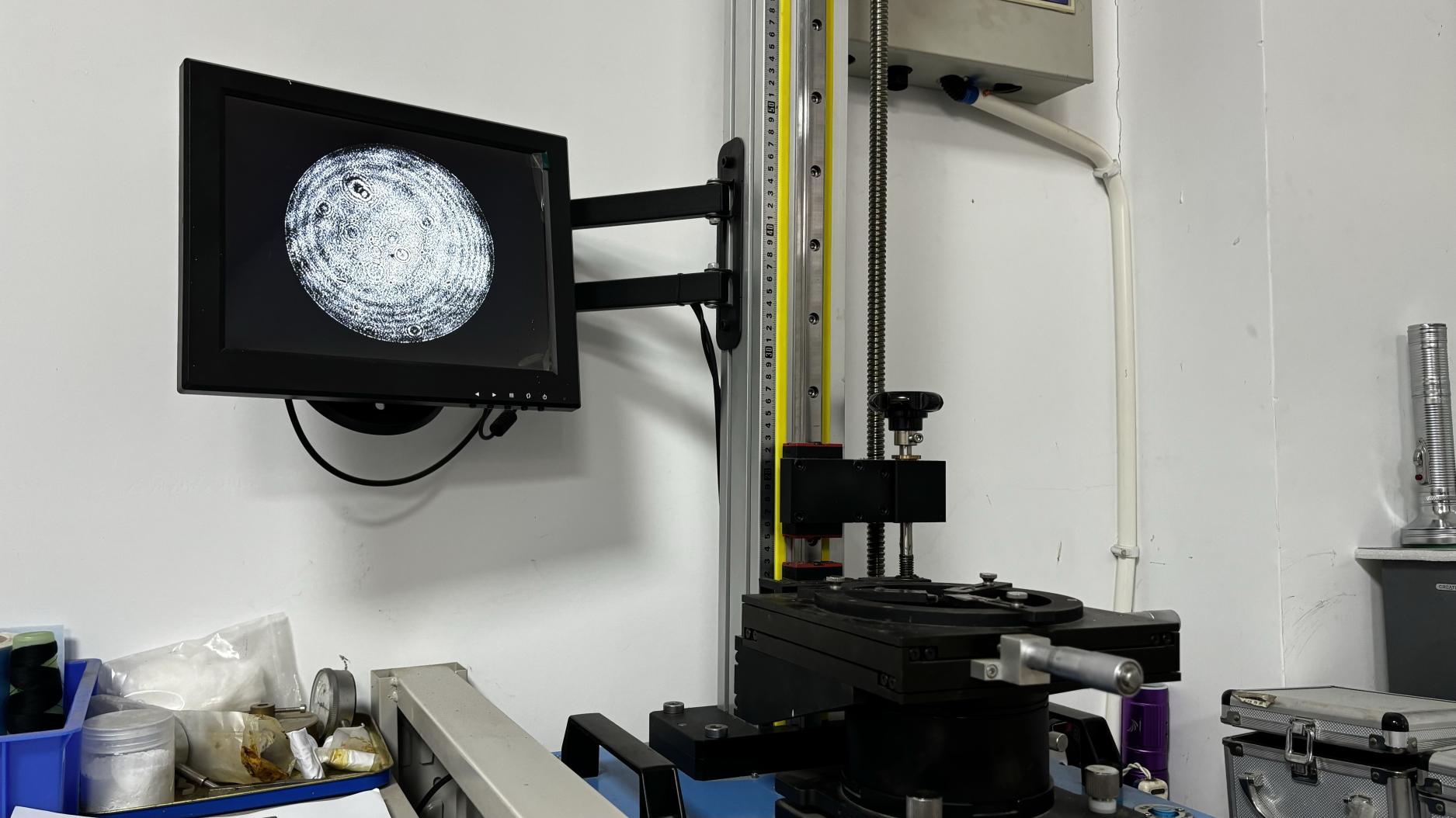
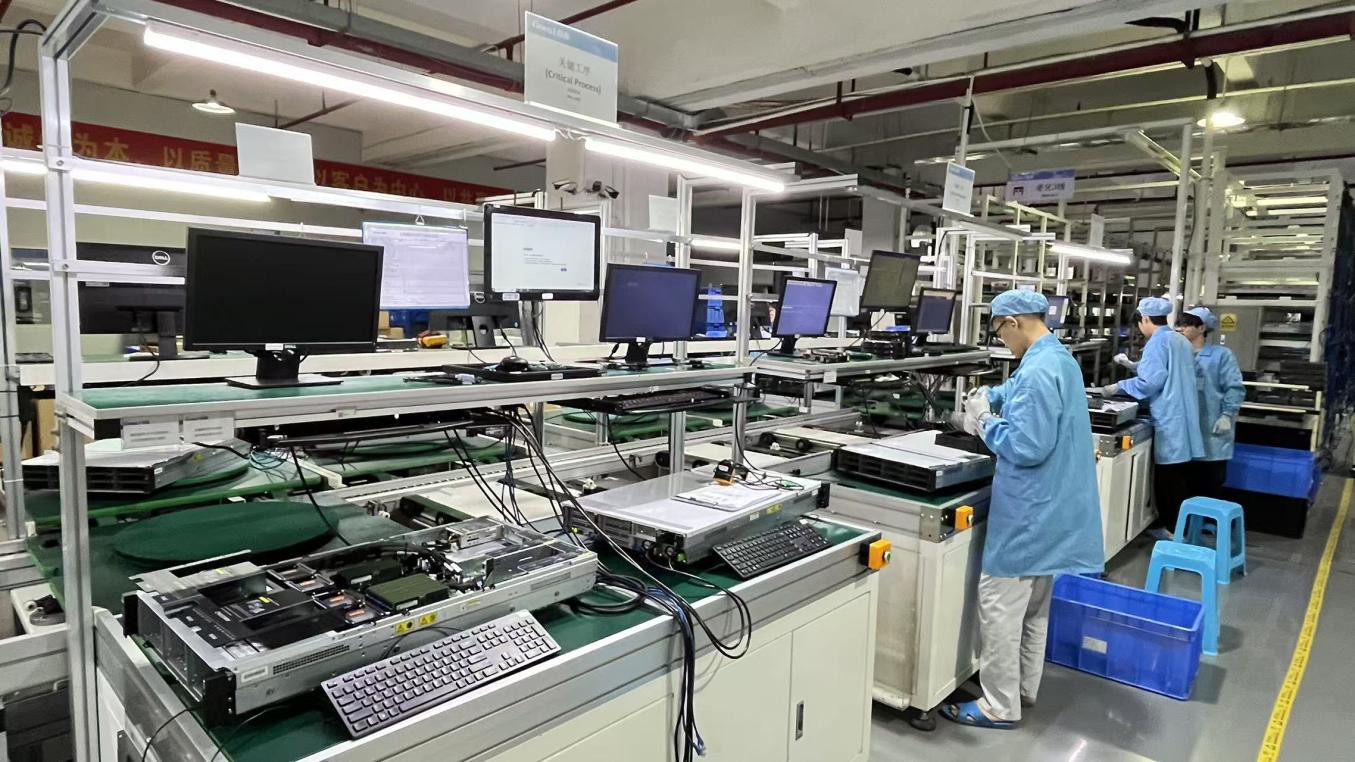
Quality is embedded throughout our manufacturing process. Tensorium maintains strict quality control standards with a dedicated team of 45 quality inspectors. Every product undergoes comprehensive inspections, including component verification, assembly inspection, system integration testing, burn-in testing, thermal performance validation, stability testing, and final quality assurance before shipment.
As networks face higher volumes of traffic, traditional Layer 7 soft-balancing algorithms can cause central processing units to throttle under intense workloads. The technology roadmap is shifting towards DPUs (Data Processing Units) and SmartNICs that execute packet routing and flow table operations directly at the network interface layer. By transferring traffic distribution logic directly to the hardware card, network overhead is reduced, allowing servers to execute core processing logic without packet interruption.
Furthermore, AI-driven operations are replacing static routing configurations. Machine learning models run locally on the management controller to analyze network performance in real-time, predicting bottlenecks before they happen. Our R&D team is engineering next-generation chassis solutions designed to house high-bandwidth network controllers alongside energy-efficient power supplies. This prepares modern network infrastructures for the massive scale required by future computing standards.
Expert technical insights regarding high-density system configurations.
Hardware offloading delegates CPU-heavy operations—such as SSL/TLS handshakes, encryption, and TCP session management—to specialized co-processors or SmartNICs. This reduces main CPU resource utilization, allowing the server to process compute workloads without encountering latency bottlenecks.
Under high concurrency, traditional SATA storage drives create bottlenecks due to narrow command queue depths. PCIe NVMe storage interfaces, such as the PM9A3 series, offer massive read-dense bandwidth and concurrent execution queues, allowing balanced servers to complete read/write requests without storage latency.
1U and 2U rack server designs maximize space efficiency in standard server enclosures. This allows datacenters to scale computational power horizontally, distributing network traffic over a wider array of physical nodes while maintaining simple maintenance access.
Every server configuration undergoes a rigorous quality control sequence. This includes high-temperature thermal validation, comprehensive burn-in testing (24-72 hours), physical connection inspection, component verification, and system benchmark runs verified by our team of 45 quality inspectors.
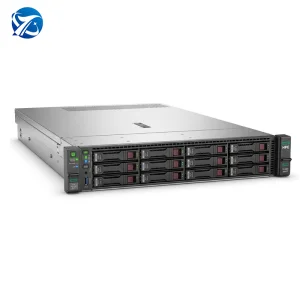
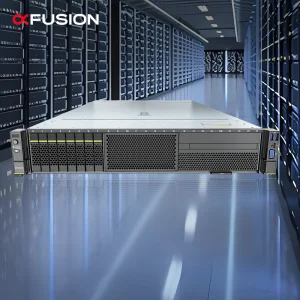
Explore additional systems designed for scaling and high-availability enterprise environments.
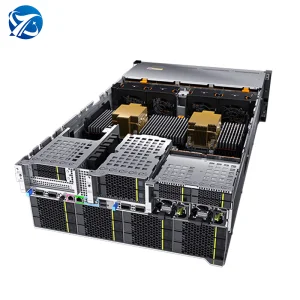
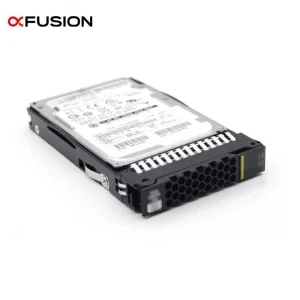
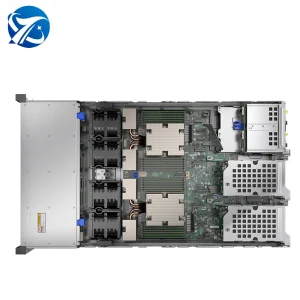
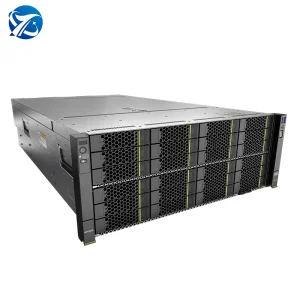
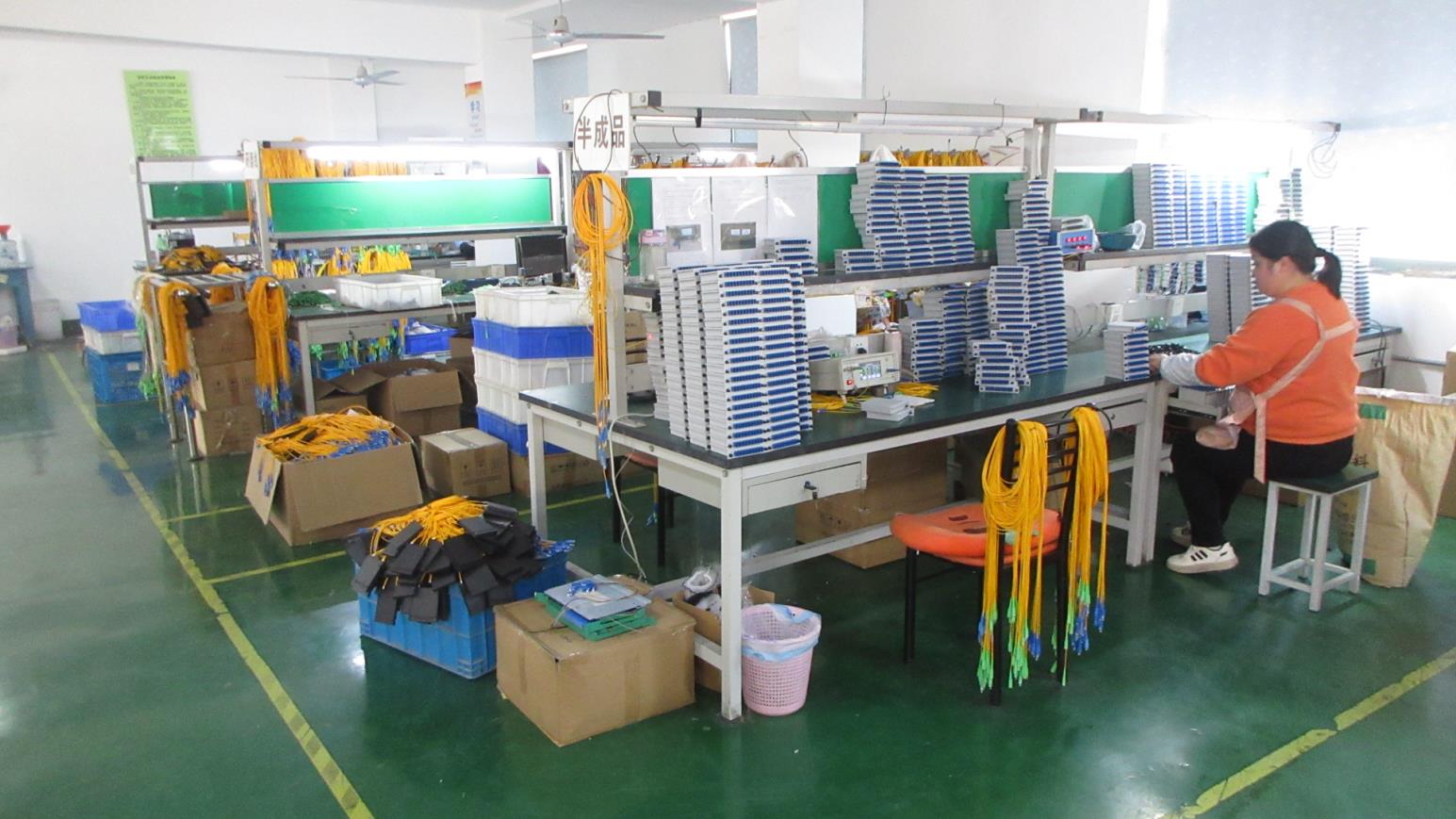
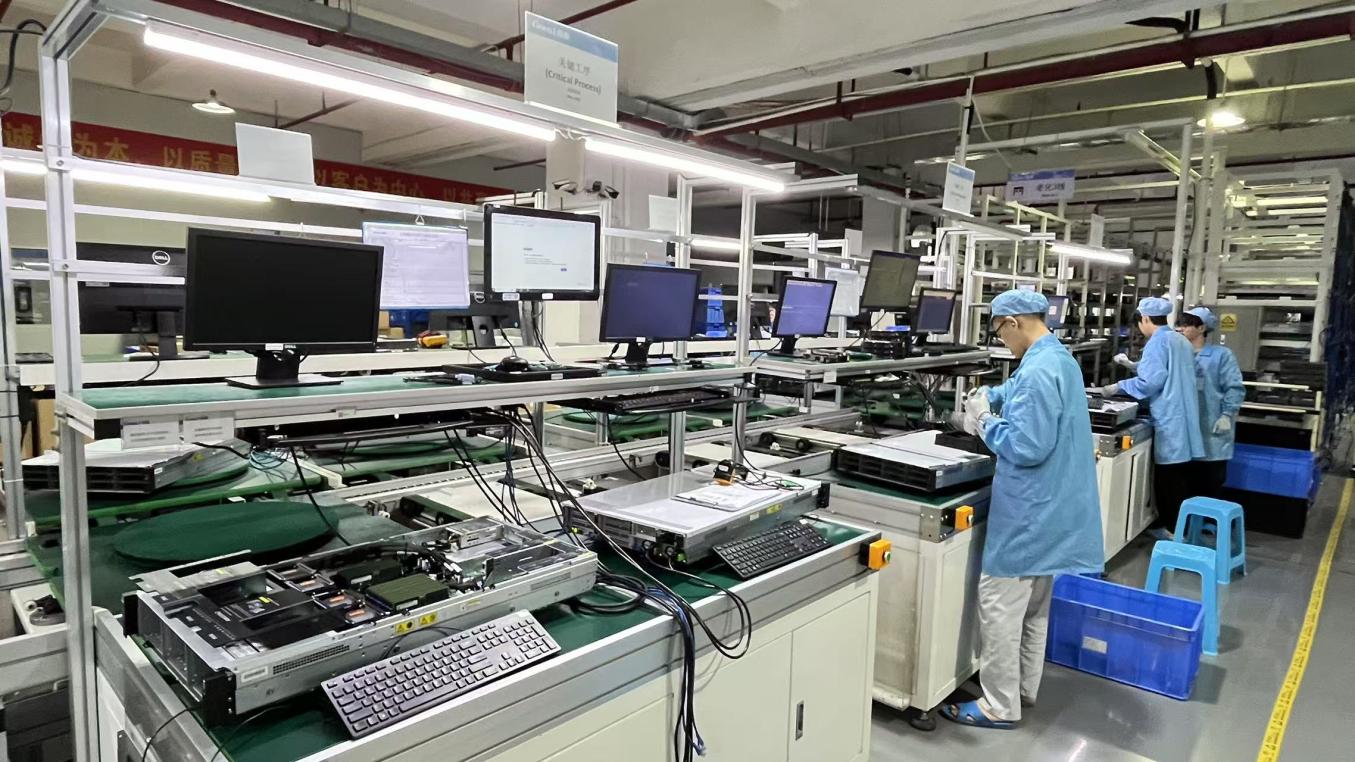
Operational excellence, component integration, and quality validation processes inside our factory.