Tensorium
Tensorium
Tensorium
Enterprise-grade computing host platforms, low-latency adapters, and high-density SSDs configured for heavy-duty video rendering, transcoding, and real-time AV networks.
Deploying high-concurrency computing systems designed to manage ultra-high bitrate media distribution, real-time rendering, and low-latency digital signals.
In the contemporary landscape of digital transformation, the professional Audio-Visual (AV) industry has shifted away from isolated, analog matrix distributions to enterprise-grade, IP-centric networks. As AV-over-IP, SDVoE (Software Defined Video Over Ethernet), and SMPTE ST 2110 standards become the default parameters for broadcast and commercial spaces, traditional AV gear must rely on robust data processing infrastructure. The backbones of modern stadium screen setups, digital signage matrices, live-event production rigs, and AI-driven video synthesis engines are high-performance GPU servers, high-speed Fibre Channel interface adapters, and flash-optimized solid-state arrays.
Tensorium Intelligent Technology Co., Ltd. builds the high-performance computing hardware that bridges the gap between raw data and fluid AV experiences. Operating at the convergence of AI, computing power, and professional media delivery, we supply systems configured for extreme throughput. High-bitrate visual configurations, including 4K/8K uncompressed streams, require massive data processing nodes. We address this requirement by deploying servers optimized for real-time video transcoding, zero-frame latency rendering, and parallel calculations required for immersive projections.
Capable of managing multiple uncompressed 4K video feeds, real-time dynamic projection mapping, and advanced multi-display audio-visual outputs without frame dropouts.
Connecting media source nodes with high-bandwidth 32G Fibre Channel adapters and NVMe arrays to achieve sub-millisecond switching latency across massive multi-room networks.
Deploying dedicated Deepseek and other AI GPU clusters to analyze audience interactions, render virtual hosts, generate real-time captions, and optimize acoustic profiles.
"In the era of software-defined media ecosystems, the quality of your audio-visual output is bound to the speed, stability, and latency limits of the underlying computing architecture. High-performance servers are the new backbone of professional AV integration."
Founded in 2016 in Guangdong, China, Tensorium has emerged as a premier developer and global exporter of high-density computation hardware, smart computing clusters, and storage infrastructure for enterprise audio-visual and AI workloads. Serving system integrators, media operations, and cloud providers across North America, Europe, the Middle East, and Southeast Asia, we help organizations power demanding technological architectures.
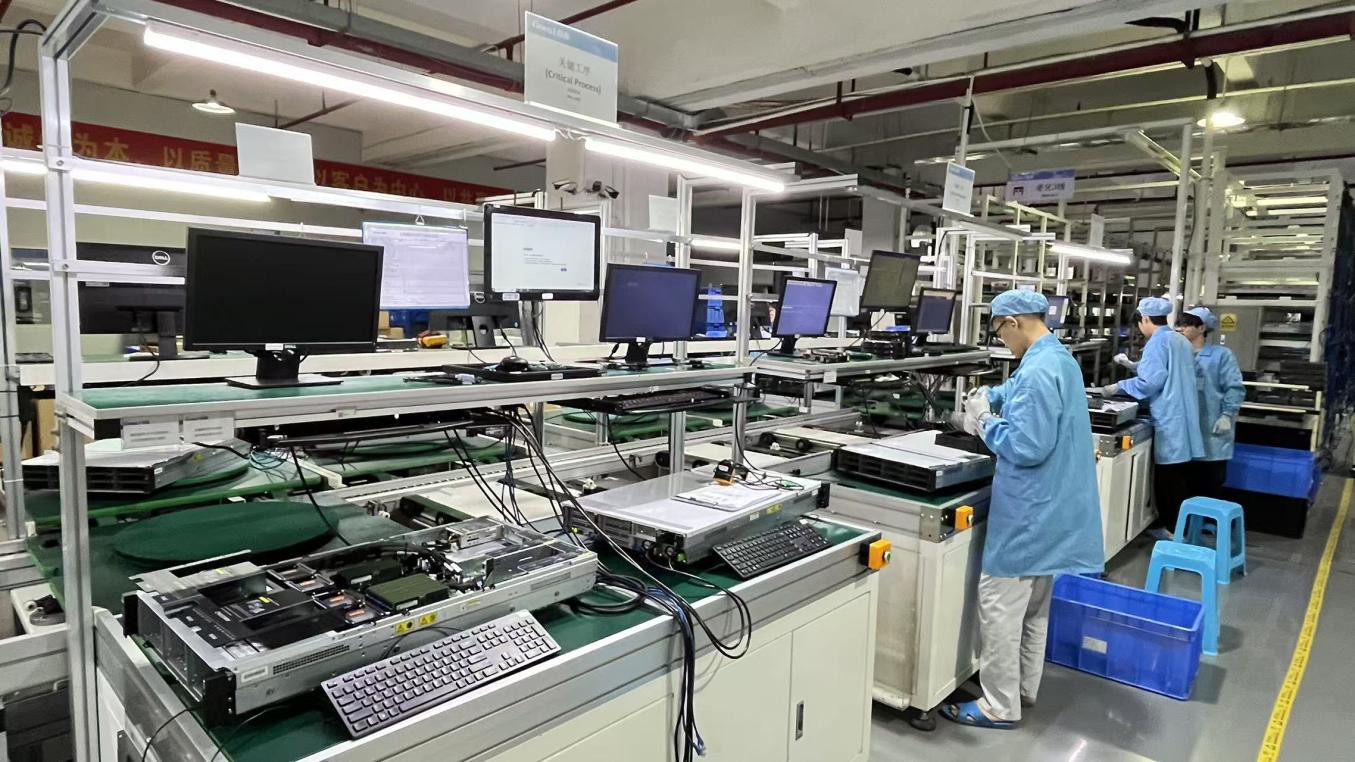
Our operations are backed by a robust manufacturing structure that guarantees consistent supply. We operate cleanroom assembly units, maintain partnerships with top semiconductor producers, and have developed a global supply network containing more than 1,200 partners. Innovation forms the foundation of our engineering capabilities: our R&D department houses over 120 specialists who developed and deployed more than 80 custom-tailored configuration profiles last year to keep pace with evolving AV and computational demands.
Compare how server configurations align with specific professional AV requirements, broadcast pipelines, and digital processing applications.
| AV Workload Case | Critical Hardware Element | Technical Metric / Benefit | Optimized System Integration |
|---|---|---|---|
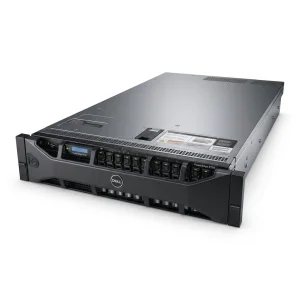
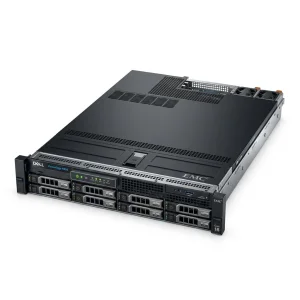
| Virtual Studio & Unreal Engine Rendering | Enterprise GPU Servers (e.g. Dell PowerEdge Deepseek AI R750 / R760) | Sub-millisecond frame rendering, multiple GPU co-processing | Real-time LED volume projection and interactive mixed reality backgrounds. |
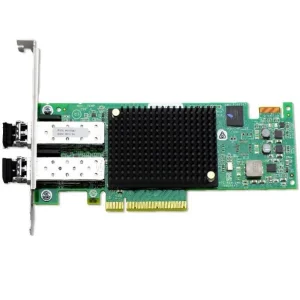
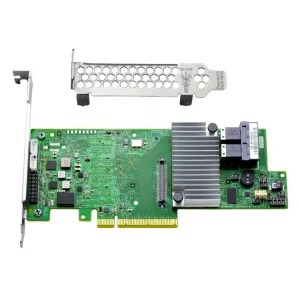
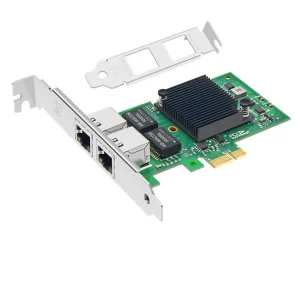
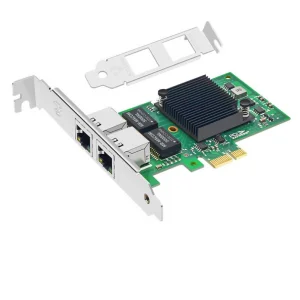
| Uncompressed AV-over-IP Networks | 32G Fibre Channel HBAs (e.g. Emulex LPe35002-M2) | 32Gbps per port, low-overhead FC stack, SFP28+ interface | Ultra-low latency connection between control hubs and distributed screens. |
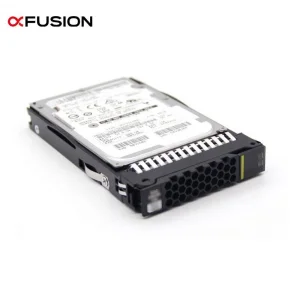
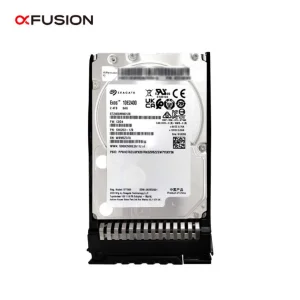
| Interactive 8K Video Playback | Enterprise PCIe Gen4/5 NVMe SSDs (e.g. EP600 Series / PM893) | Random Read IOPS > 800K, sustained read rates up to 7GB/s | Prevents buffer delays in multi-layer uncompressed timeline editing. |
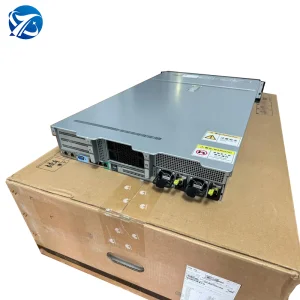
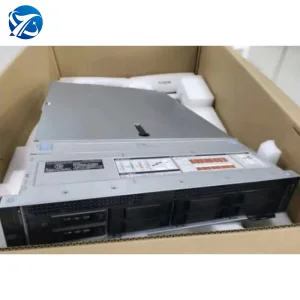
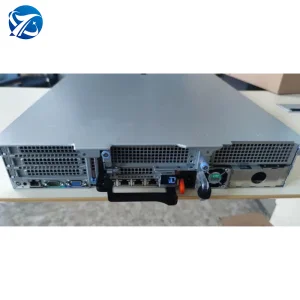
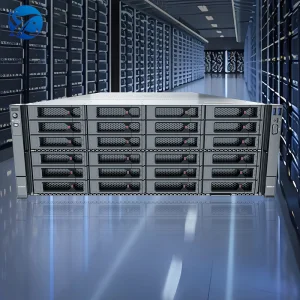
| Central Digital Signage Control Systems | Dual-Socket Rack Servers (e.g. xFusion 2288H V5/V6) | Up to 24x 3.5" or 2.5" local hot-swap drive support, scalable RAM | Reliable central databases managing global display scheduling. |
In high-pressure live broadcasting or permanent medical imaging environments, hardware failure is not an option. Tensorium's 45 quality control inspectors enforce strict testing rules. We subject components and systems to a comprehensive array of tests prior to shipping, including:
How system integrators, media operations, and cloud providers utilize Tensorium computing systems to deploy smart platforms worldwide.
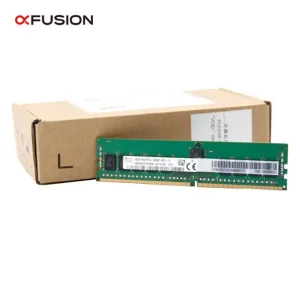
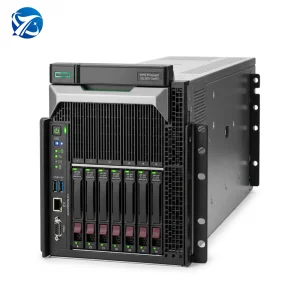
Broadcasters rely on xFusion and HPE rack-mount servers to support high-density transcode processes. Incorporating DDR5 ECC memory and NVMe cache arrays, these platforms manage over 100 simultaneous video streams, reducing latency and ensuring clean frame transitions for viewers.
Dynamic LED display panels, field cameras, and control consoles require central processing. System integrators deploy GPU-accelerated server configurations connected by dual-port Emulex Fibre Channel adapters to distribute uncompressed 8K video feeds across stadiums with zero visual lag.
Command rooms require clean visual outputs. By leveraging custom-configured 1U and 2U rack servers, users can process multi-feed CCTV inputs, perform real-time video analytics, and display high-resolution map feeds on command video walls with constant reliability.
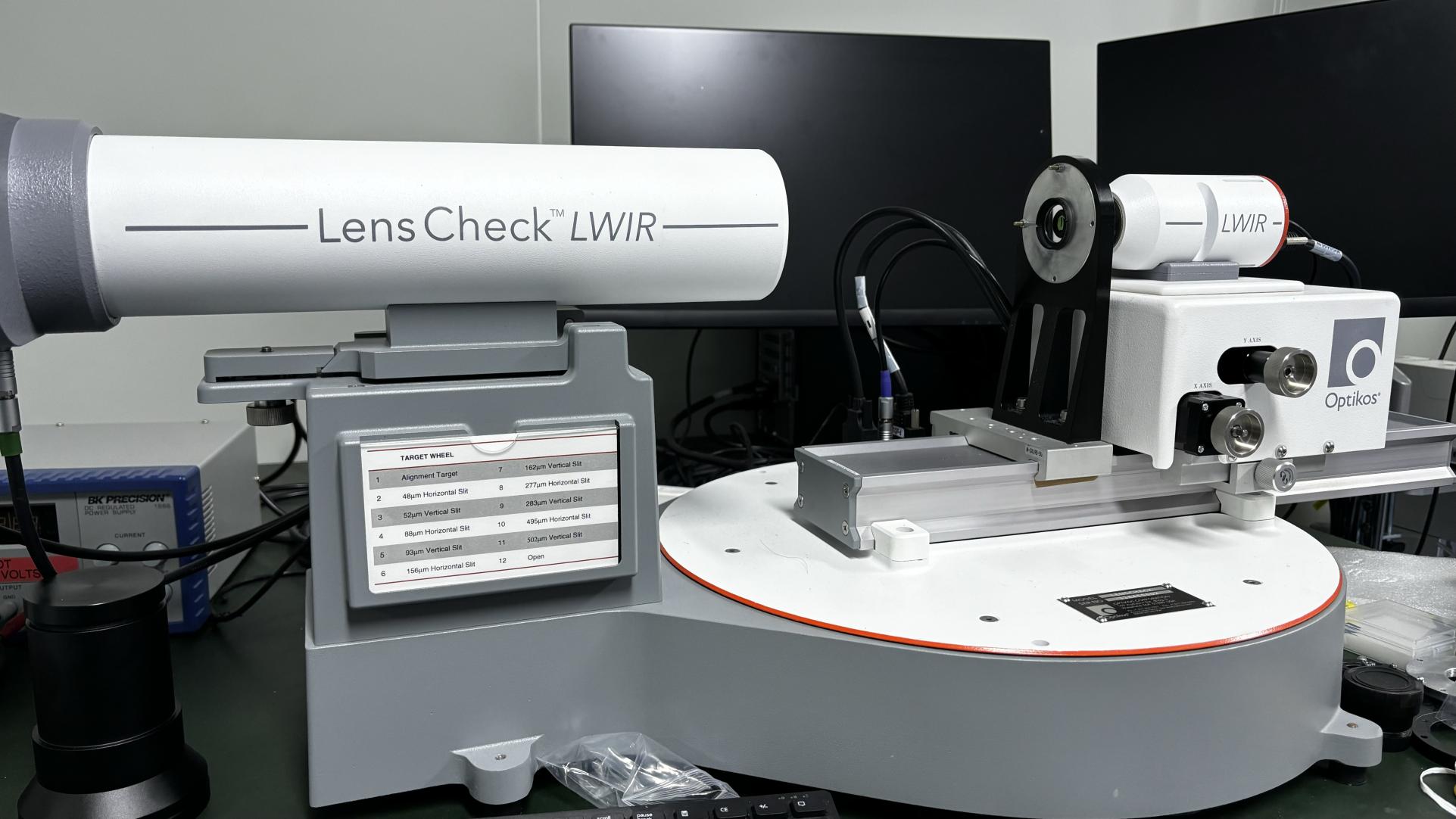
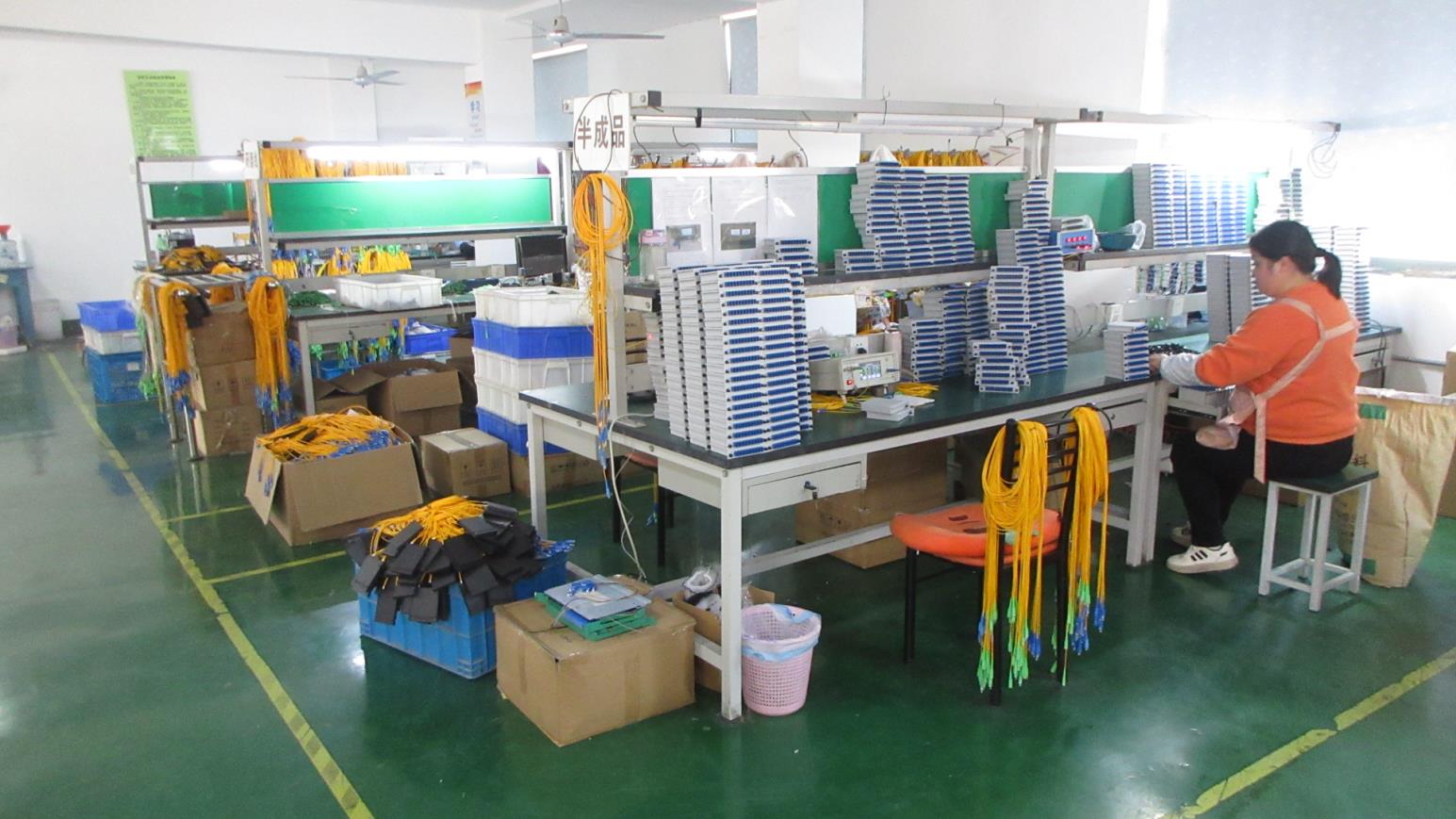
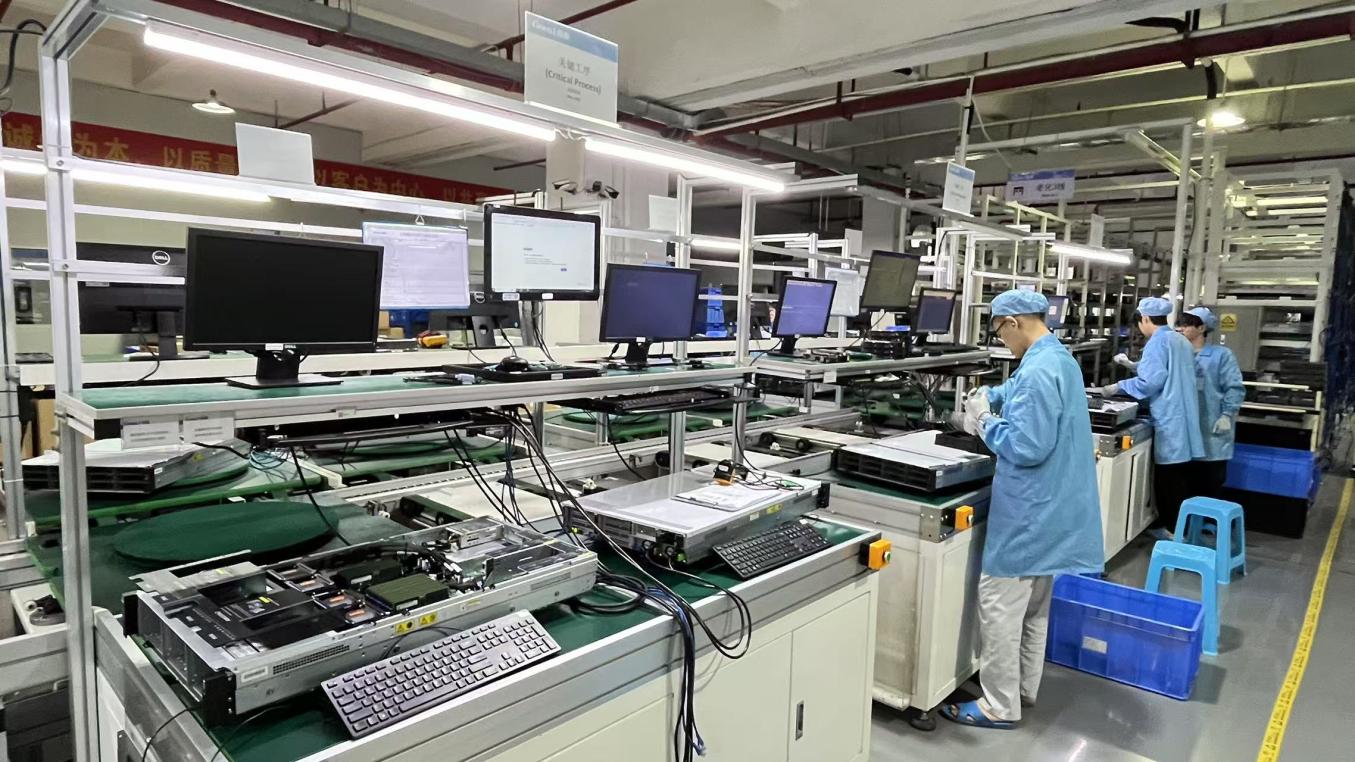
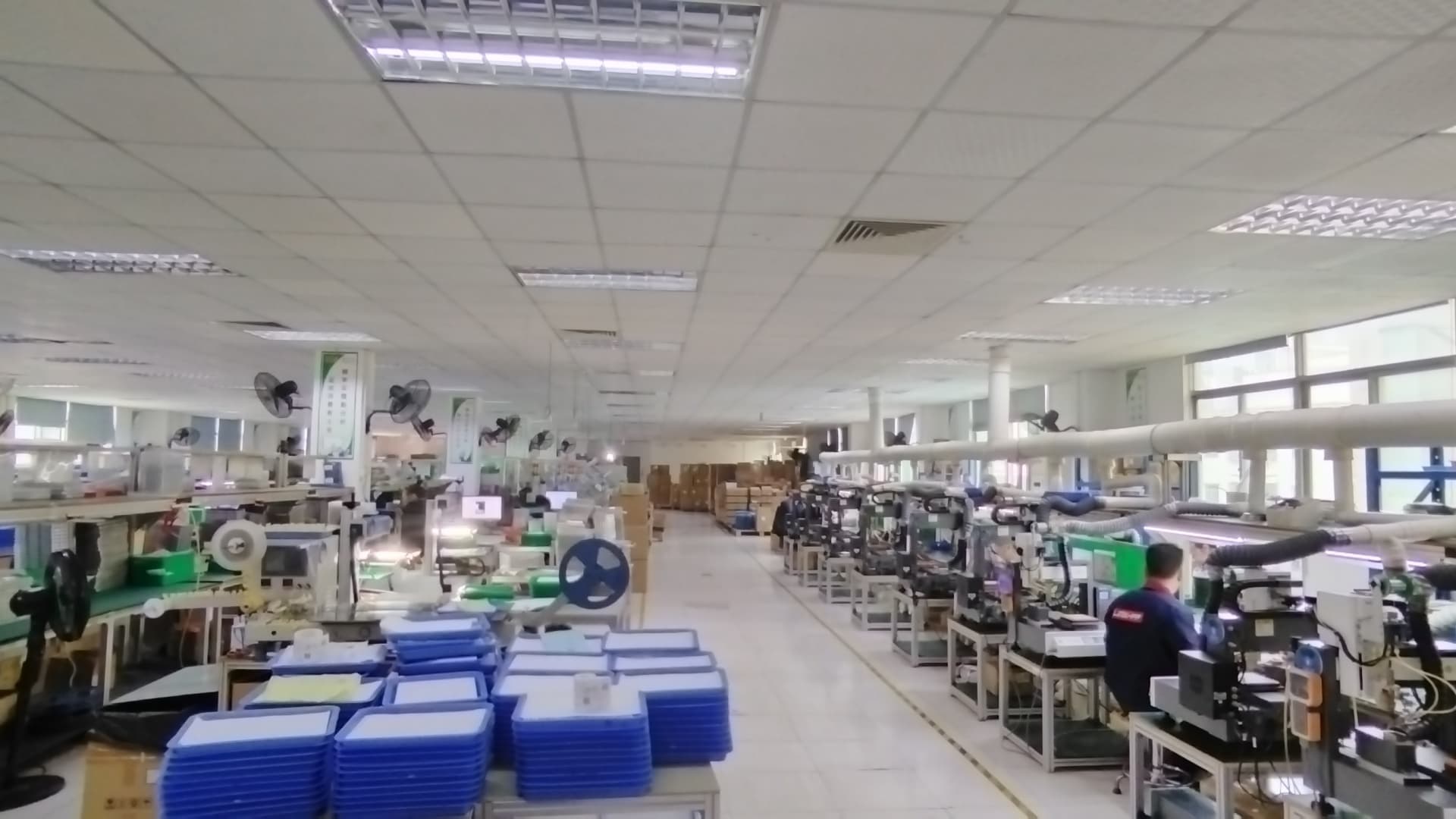
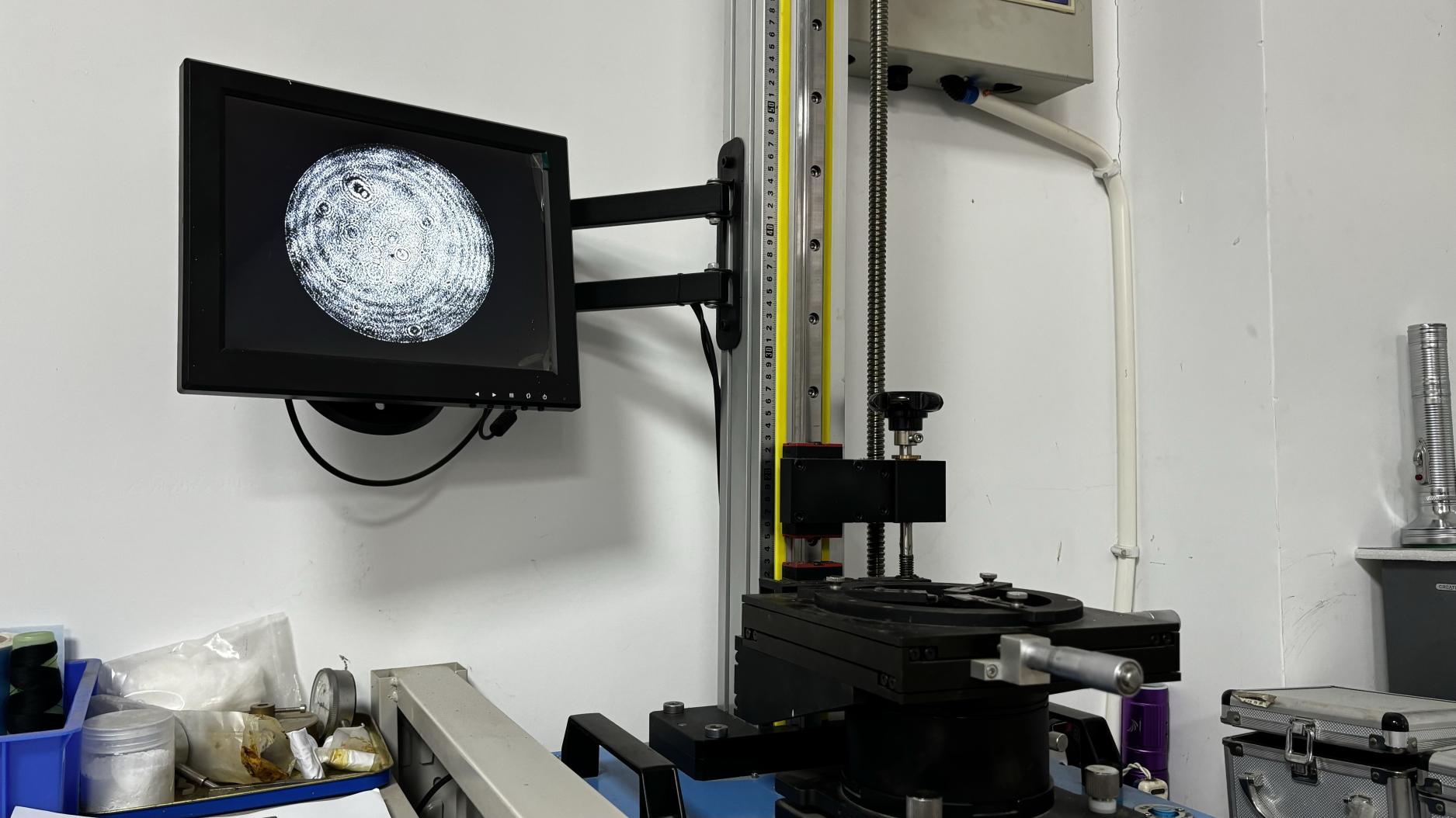
Exploring advancements in optical backplanes, automated processing, and green cooling technology.
The convergence of generative AI and traditional audio-visual hardware is changing industry standards. Over the next decade, rendering workflows will transition from static models to dynamic environments generated in real time by local AI units. This evolution requires high-performance processing hardware. Additionally, the adoption of PCIe Gen 5 and Gen 6 interfaces, combined with optical network architectures, will replace traditional HDMI/SDI copper lines in core control centers. Real-time media feeds will be processed as data packets directly on computational nodes, reducing transcoding delays.
Tensorium is actively developing server builds optimized for high-power environments. Our R&D efforts focus on liquid-cooled GPU enclosures and high-speed network interfaces, allowing system integrators to install dense setups in spaces with limited ventilation. We are also designing smart, power-efficient servers to help clients lower their energy footprint while running high-load audio-visual arrays.
Expert insights addressing installation questions, hardware compatibility, and optimization best practices.
Scalable server architectures, high-performance RAID controllers, and thermal management units to support modern computing and AV networks.