Tensorium
Tensorium
Tensorium
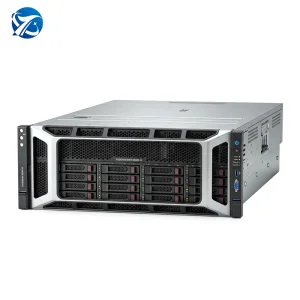
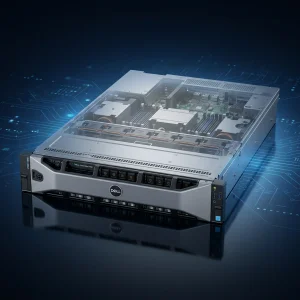
Select high-performance components optimized for enterprise environments and high-density computing arrays.
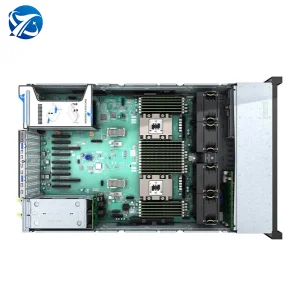
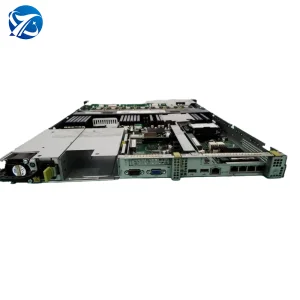
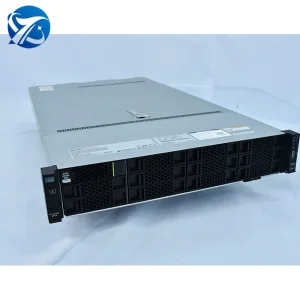
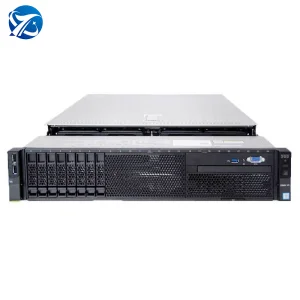
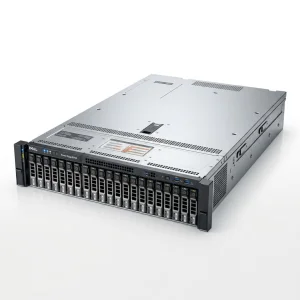

The global enterprise network infrastructure landscape is undergoing a massive transformation driven by the transition to Wi-Fi 7 (IEEE 802.11be), massive Multi-User MIMO (MU-MIMO) architectures, and real-time low-latency IoT integration. Modern business workflows require high-performance, resilient, and highly secure edge systems that bridge the gap between high-speed networks and backend AI-driven compute servers.
Deploying ultra-wide 320 MHz channels and 4096-QAM modulation to deliver massive data packages at multi-gigabit speeds. This enables zero-latency data pipeline routing from industrial IoT hubs directly to enterprise servers.
Integrating machine learning capabilities into wireless access points (WAPs) to dynamically optimize beamforming, mitigate channel interference, and handle heavy load-balancing natively at the device level.
Next-generation access points are not just Wi-Fi antennas; they serve as multi-protocol gateways combining Zigbee, Thread, BLE, and Wi-Fi to create cohesive sensor tracking networks inside manufacturing facilities.
Enterprise-scale operations demand stringent verification when choosing OEM/ODM manufacturers for networking hardware. Security, regulatory compliances, customized firmware architectures, and physical reliability are crucial. In critical data transmission loops, hardware failures lead directly to expensive downstream downtime.
| Procurement Pillar | Technical Parameters & Standards Required | Compliance & Quality Targets |
|---|---|---|
| Hardware Security | WPA3-Enterprise, Secure Boot, Trusted Platform Module (TPM) 2.0, IPSec VPN tunneling, rogue AP isolation. | FIPS 140-2 Level 2, CC EAL4+ |
| Power Management | PoE (Power over Ethernet) IEEE 802.3af/at/bt compatibility, auto-power negotiation, lower standby draw. | Energy Star, CEC, Eco-design |
| Enclosure & Environment | Plenum-rated plastics (UL 2043), IP67/IP68 weatherproofing for industrial terminals, lightning protection. | UL94 V-0 flame-retardant, NEMA 4X |
| Software Adaptability | SDK support, OpenWrt-compatible kernel architectures, containerized micro-apps (Docker) at the edge. | TR-069, TR-369 (USP) management |
Manufacturing next-generation enterprise WAPs and server components requires a robust ecosystem capable of scale, rapid prototyping, and automated precision. Based in Guangdong, China—the world’s most advanced electronics hardware manufacturing corridor—we leverage mature component ecosystems, automated Surface Mount Technology (SMT) operations, and highly specialized RF calibration testing chambers.
By using fully automated Siemens and Yamaha SMT placements, we guarantee component density alignment and prevent dry-soldering or micro-cracks in high-density PCBs.
Every single RF module runs through specialized anechoic chambers to measure beam patterns, antenna gains, and output spectral purity before final assembly.
We deploy end-to-end MES software tracing components from raw silicon level to finished product boxes, protecting supply chain integrity for overseas distributors.
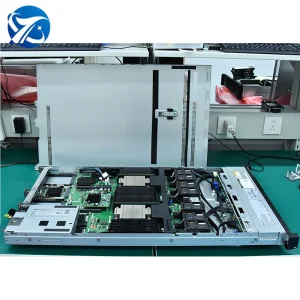
Founded in 2016, Tensorium Intelligent Technology Co., Ltd. is a professional manufacturer and global supplier of high-performance AI GPU servers, GPU clusters, and intelligent computing infrastructure solutions. We specialize in delivering reliable, scalable, and customized computing platforms for artificial intelligence training, inference, deep learning, HPC, and enterprise data center applications.
Located in Guangdong, China, Tensorium operates a modern manufacturing facility covering over 380㎡ and serves customers across North America, Europe, the Middle East, Southeast Asia, and other global markets. With years of experience in the AI computing industry, we have established a strong reputation for product quality, engineering expertise, and responsive customer service.
Our annual export revenue exceeds USD 18 million, supported by an extensive supply chain network of more than 1,200 trusted partners worldwide. We work closely with AI startups, cloud service providers, system integrators, research institutions, enterprise customers, and data center operators seeking high-performance computing solutions.
Innovation is at the core of our business. Our R&D team consists of over 120 experienced engineers dedicated to developing advanced GPU server architectures, AI cluster solutions, and customized computing systems. Last year alone, we successfully launched more than 80 new products and configurations tailored to emerging AI workloads and evolving customer requirements.
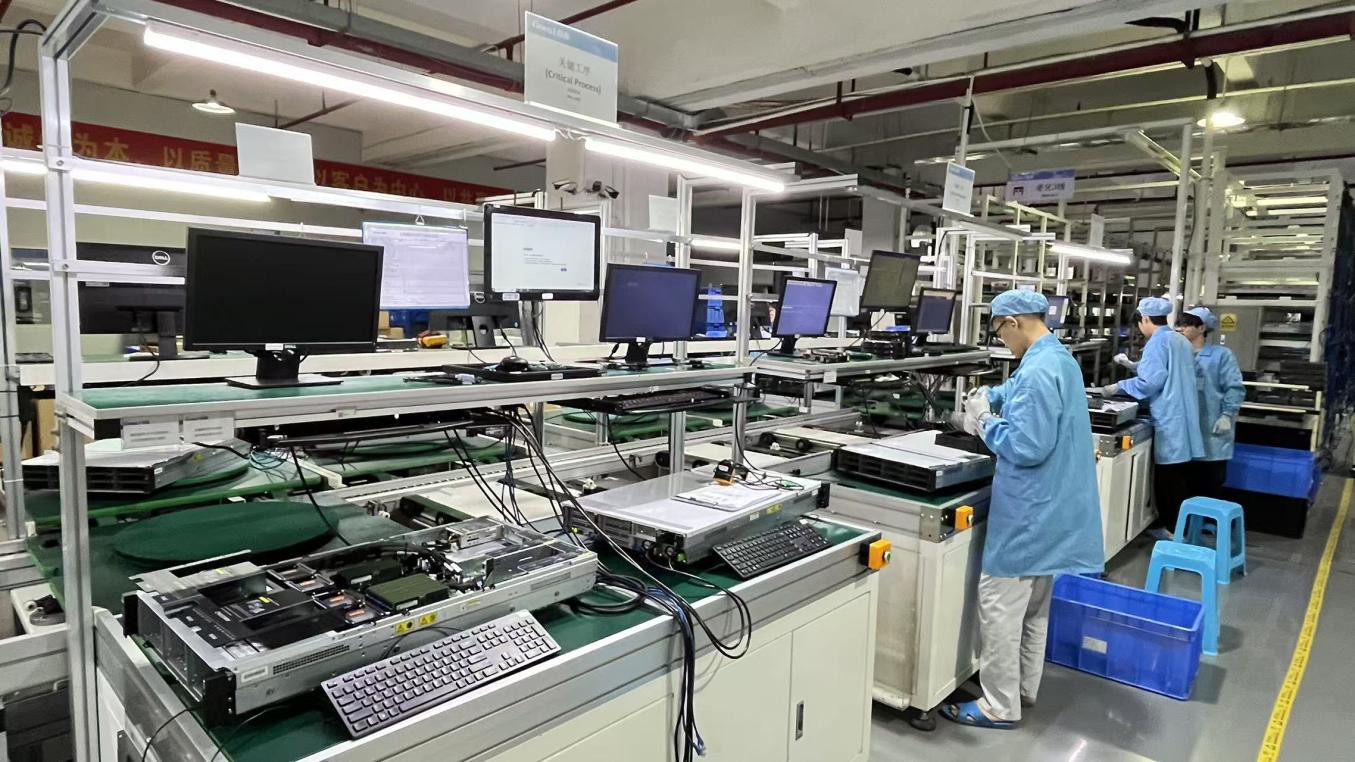
Quality is embedded throughout our manufacturing process. Tensorium maintains strict quality control standards with a dedicated team of 45 quality inspectors. Every product undergoes comprehensive inspections, including component verification, assembly inspection, system integration testing, burn-in testing, thermal performance validation, stability testing, and final quality assurance before shipment.
With strong OEM and ODM capabilities, we provide flexible customization options including GPU configuration, CPU platform selection, storage architecture, networking solutions, rack integration, branding services, and complete AI infrastructure deployment support. Our engineering team works closely with customers to deliver solutions optimized for their specific workloads and business objectives.
| Business Category | Details & Operational Metrics |
|---|---|
| Company Name | Tensorium Intelligent Technology Co., Ltd. |
| Facility Area | 380㎡ modern integrated plant |
| Export & Industry Experience | 8 Years Export Experience | 14 Years Industry Experience |
| New Releases (Last Year) | 80+ New Hardware Configurations & Product Architectures |
| Primary Target Markets | North America, Europe, Middle East, Southeast Asia |
| Inspection Standard Methods | Burn-in Testing, Performance Benchmarking, Thermal Testing, Functional Verification, Final QA Inspection |
| Customization Scope | Full OEM/ODM, Chassis Modifications, PCBA Design, Customized RF Antennas, Private Label Enclosures, Advanced Rack Integration |
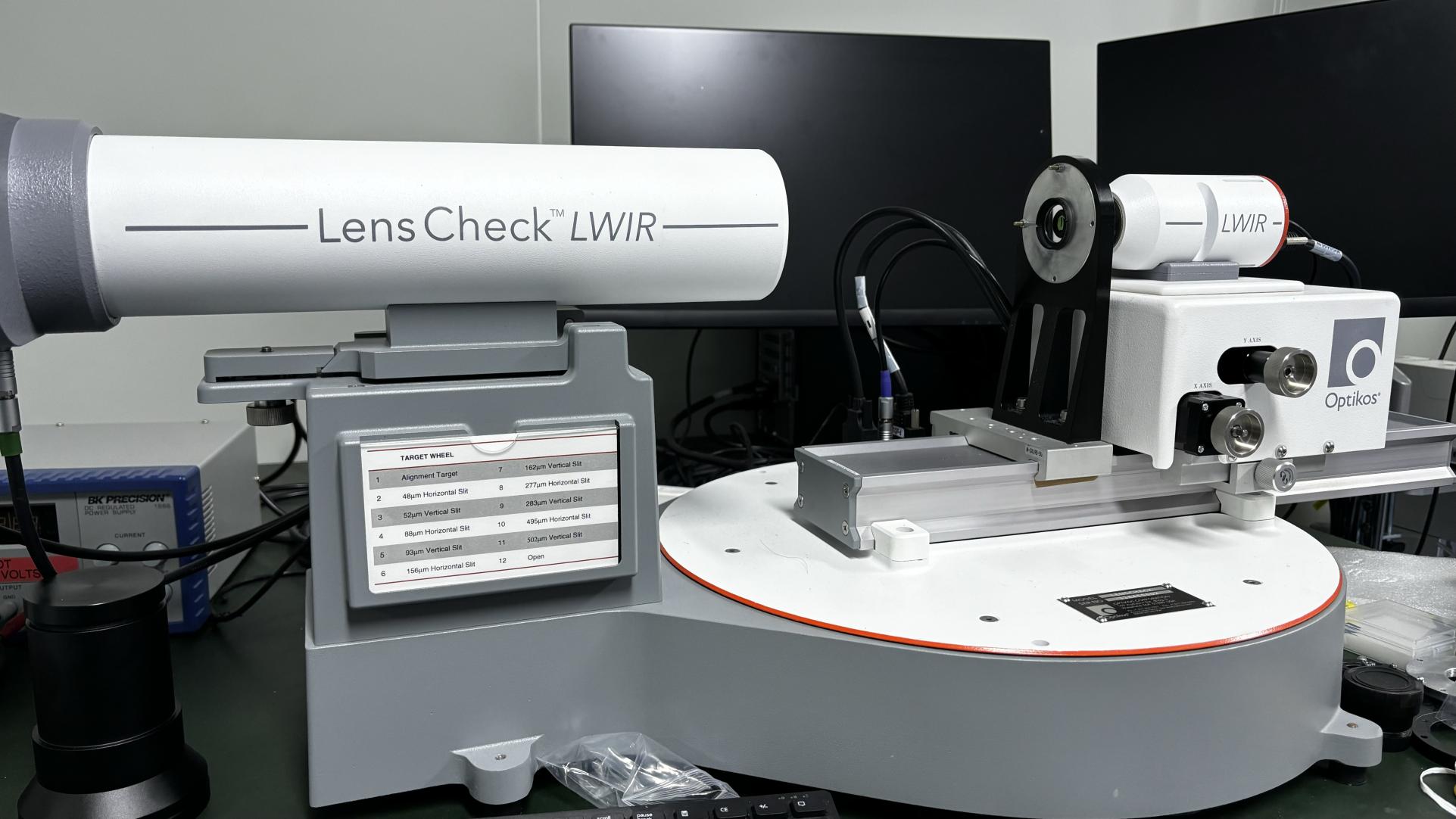
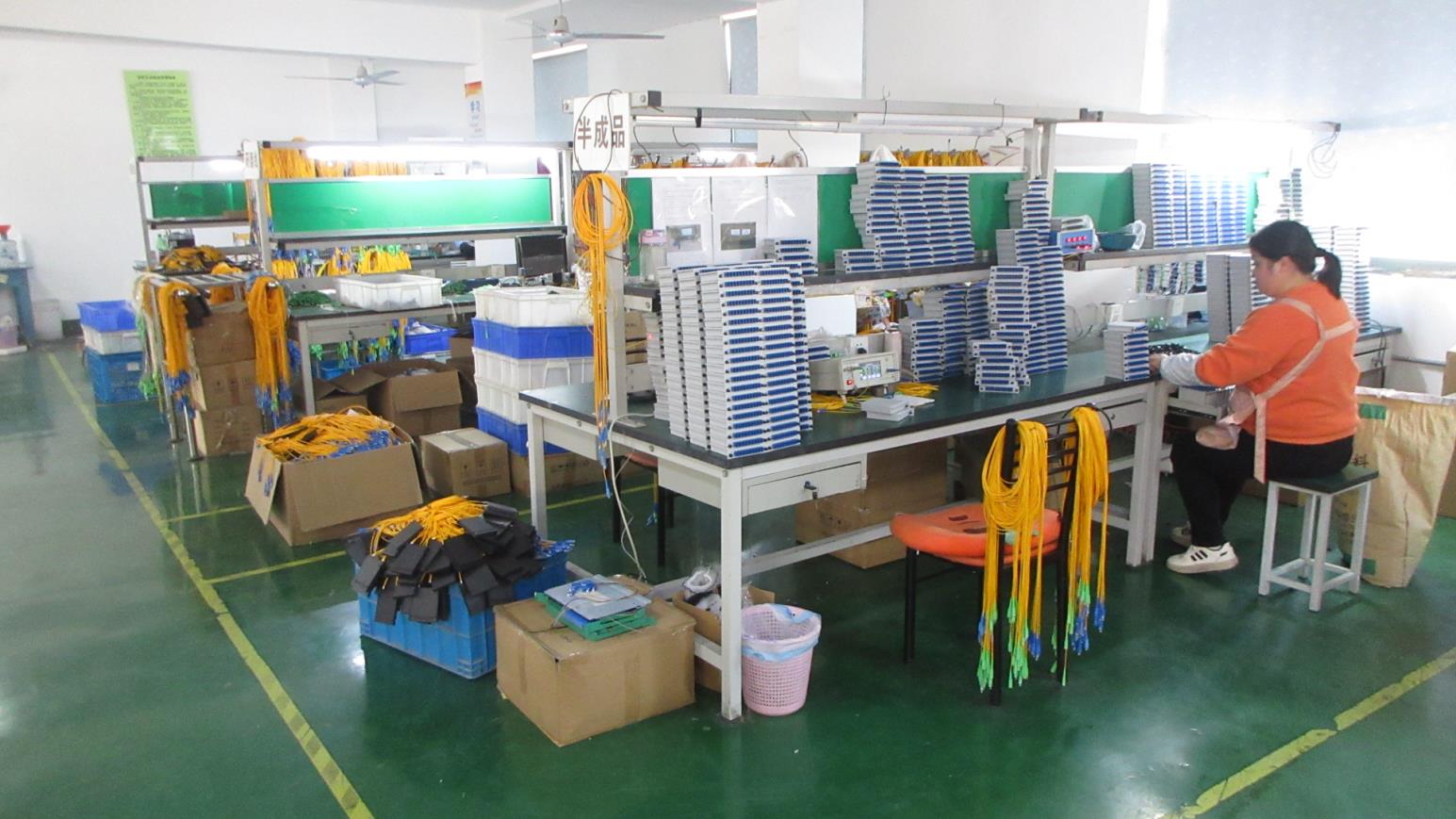
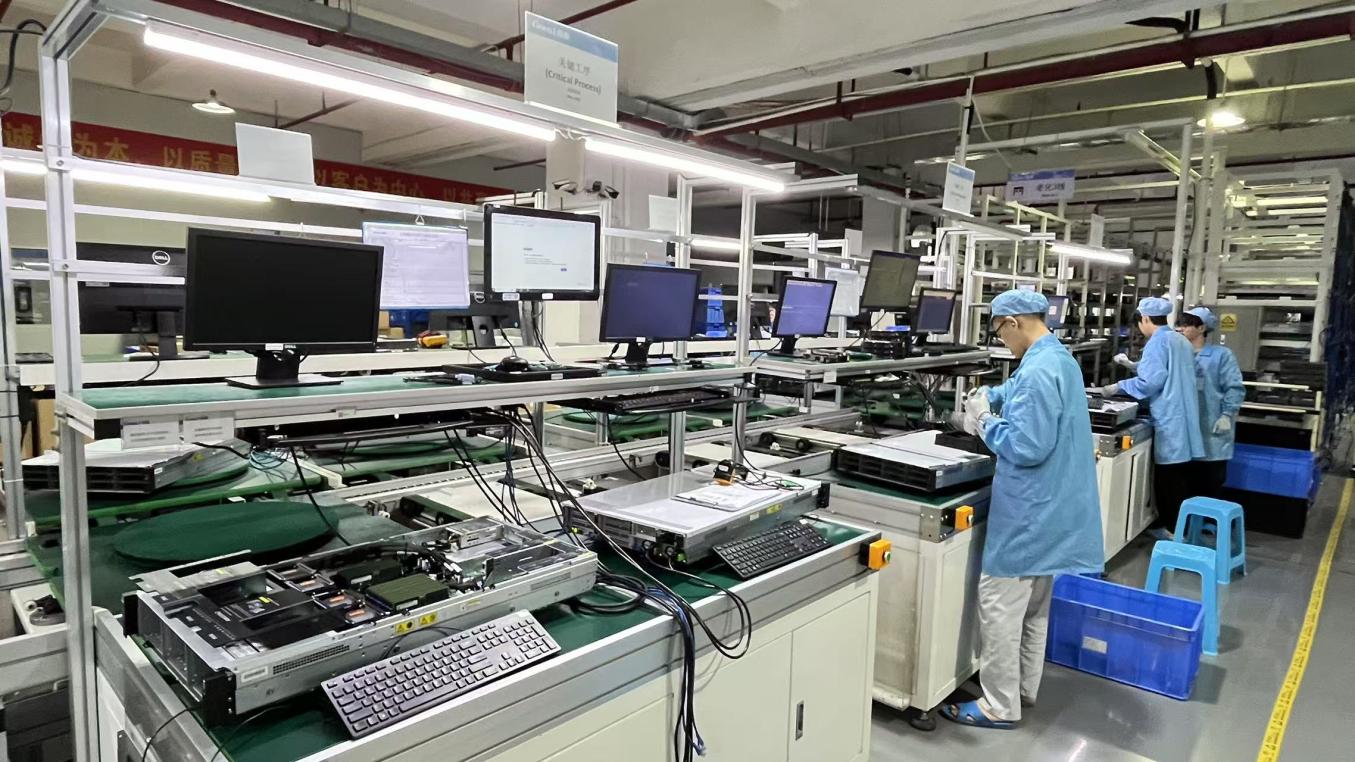
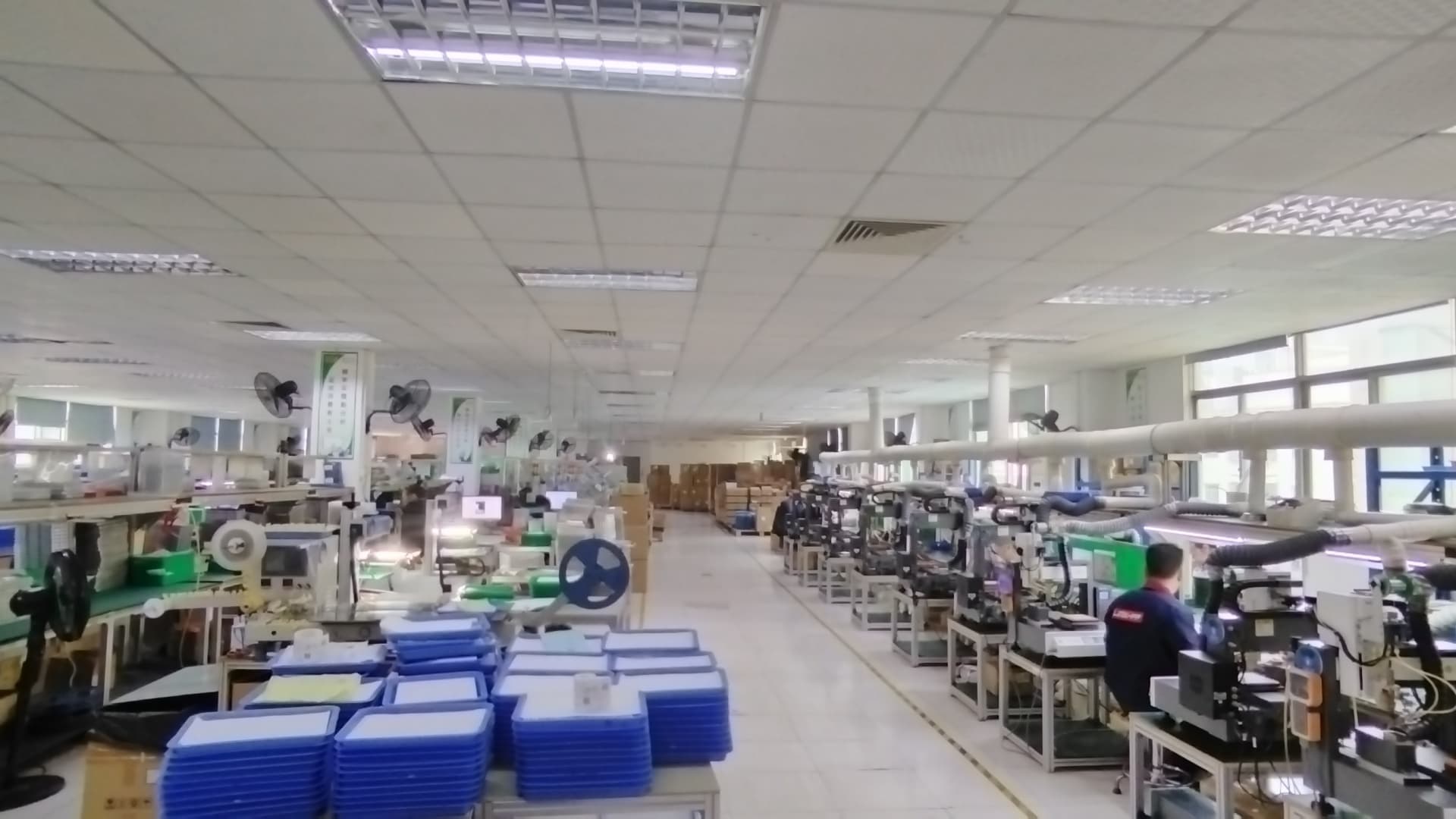
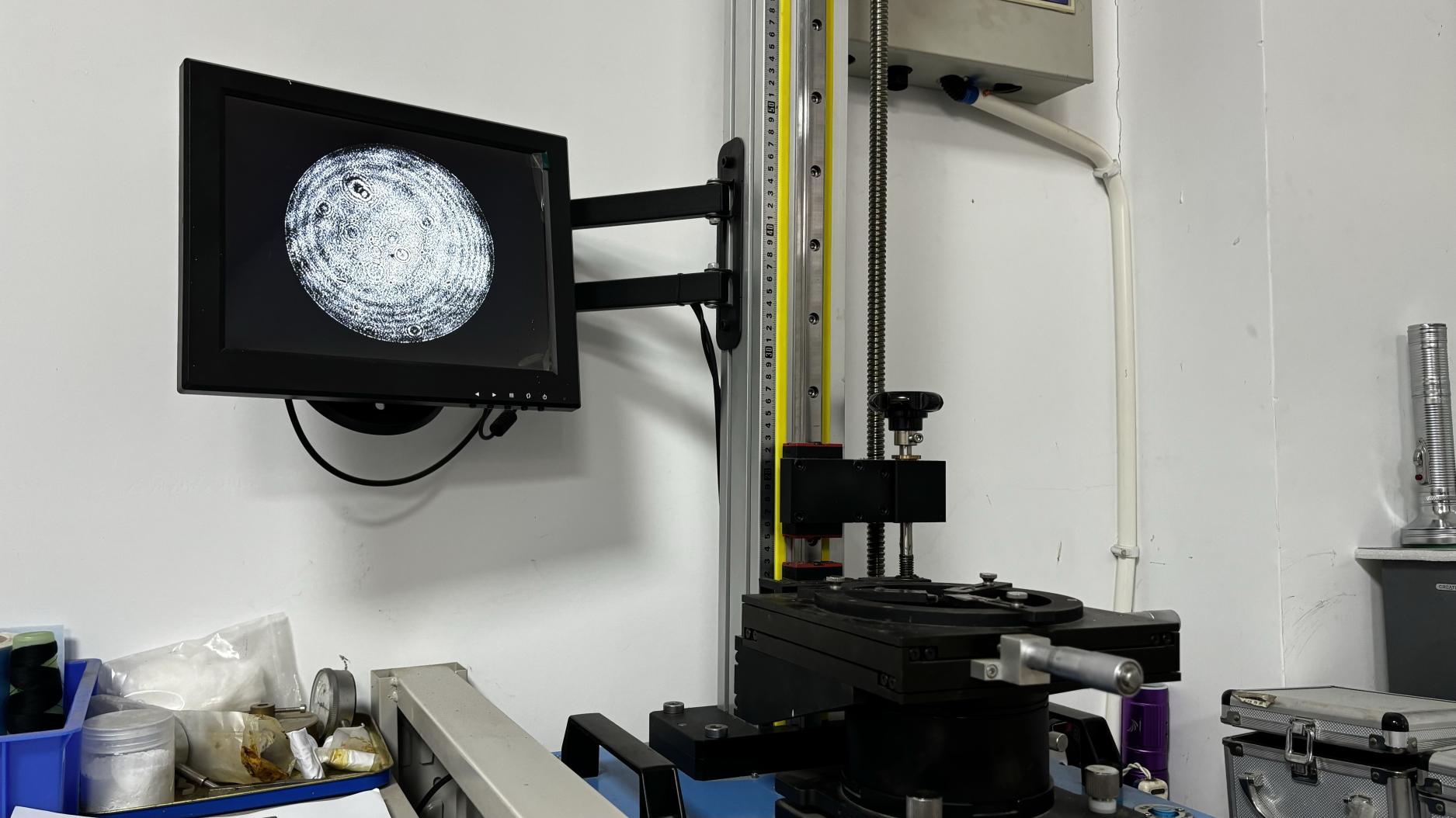
Modern networks require customized deployment strategies. Whether scaling out massive campus networks or ensuring seamless data transitions in isolated industrial environments, the design and density configuration of access points determine the stability of the entire infrastructure.
Operating fleets of Autonomous Guided Vehicles (AGVs) requires continuous wireless handovers. Our high-density WAPs provide rapid fast-roaming protocols (802.11r/k/v), allowing AGVs to transition between wireless coverage nodes under 10 milliseconds, eliminating path execution errors.
Steel fabrication mills and high-noise factory environments present extreme RF multipath issues and high dust concentrations. Our industrial OEM WAPs feature IP67 metal cases, robust surge protection interfaces, and custom software settings to penetrate thick concrete structures.
With thousands of mobile clients, tablets, and interactive screens connecting at once, campus configurations require dynamic spatial stream allocation. Utilizing Multi-User OFDMA and target wake time (TWT), our WAP solutions optimize device battery life while preventing data traffic congestion.
Essential insights for procurement directors, network engineers, and system integrators.
Yes. As a dedicated OEM/ODM manufacturer, we offer complete firmware adaptation services. We can precompile customer-supplied kernels, enable TIP (Telecom Infra Project) OpenWiFi architectures, or integrate remote management agents directly into the firmware storage allocation during assembly.
Every product batch is subject to verification under our quality inspectors team. Using LitePoint RF testers and shielded chambers, we verify EVM (Error Vector Magnitude), frequency error, and spectral mask values across all 2.4GHz, 5GHz, and 6GHz bands to ensure clean transmissions.
Standard OEM configuration builds (branded enclosure and custom packaging) typically ship within 4-6 weeks. Comprehensive ODM builds—including layout adjustments to the PCBA, distinct antenna tuning, or outdoor housing casting modifications—range from 12 to 16 weeks, including regulatory certification test runs.
Yes, our access points support IEEE 802.3at (PoE+) and 802.3bt (PoE++) standards with auto-negotiation. High-performance models feature dual Ethernet ports to enable Link Aggregation (LACP) and hardware power redundancy interfaces for zero-downtime performance.
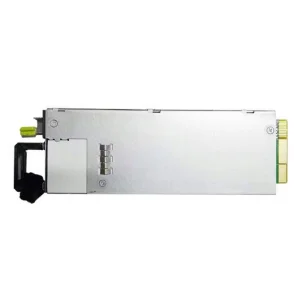
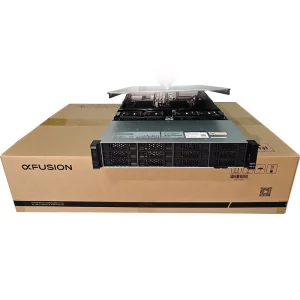
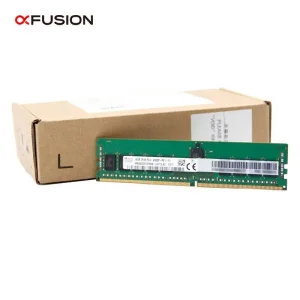
Enterprise network nodes, storage devices, memory expansions, and backup power units.