Tensorium
Tensorium
Tensorium
High-reliability servers and computing nodes designed for multi-cloud deployment environments.
How the evolution of multi-cloud architectures is forcing a paradigm shift in specialized OEM/ODM server design.
Modern enterprises no longer rely on standardized CPU architectures. The integration of high-density GPUs, TPUs, and DPUs (Data Processing Units) within custom-configured hardware matrices is critical to balance container workloads across private clusters, AWS, Azure, and Google Cloud platforms.
By standardizing on OCP (Open Compute Project) architectural modules, manufacturers reduce engineering friction. Hyperscalers utilize OEM customization to rapidly deploy standard units that fit existing multi-cloud orchestration templates, optimizing rack thermal profiles and overall power usage.
Bare-metal provisioning systems are integrated directly with server BMCs (Baseboard Management Controllers). This allows multi-cloud platforms to automatically spin up, orchestrate, and reconfigure physical OEM/ODM servers as dynamic cloud workloads shift globally.
In the digital-first era, deploying a multi-cloud system has transitioned from a competitive advantage to an architectural necessity. Enterprises face unique scaling problems: licensing locks, dynamic bandwidth egress costs, and unexpected localized outages. High-performance computing systems need to be engineered from the factory floor to support diverse bare-metal operating systems, hypervisors, and orchestration platforms like VMware Cloud, Red Hat OpenShift, Kubernetes, and OpenStack.
As a leading hardware engineering partner, Tensorium Intelligent Technology Co., Ltd. customizes systems specifically targeting these cross-platform configurations. We focus on optimized PCIe trace lengths for GPU-to-GPU peer communications, customized BIOS features for cloud-init automation, and multi-network redundant controller cards that meet the exact requirements of international multi-cloud operators.
Understanding the logistical and technological criteria required by tier-1 system integrators and hyperscalers.
Global enterprise procurement for high-performance server hardware goes beyond simple component specifications. Procurement directors, technology officers, and data center operators base their manufacturing partnerships on four crucial metrics:
Enterprise procurement requirements aligned with our core engineering services.
A technical blueprint illustrating how custom servers act as bridgeheads for global cloud networks.
Custom 1U/2U short-depth server designs optimized for low power footprints in cellular base stations, remote regional offices, and dynamic retail edge clusters.
High-density drive architectures featuring NVMe hot-swappable arrays configured to execute real-time local caching and automated data tiering via S3-compliant APIs.
Engineered multi-GPU server topologies designed to scale deep learning training pipelines while maintaining low-latency interconnect speeds across physical and public clouds.
A global multi-cloud topology operates on unified data distribution. At the macroscopic tier, public clouds manage highly elastic consumer-facing APIs, while localized physical infrastructure houses secure primary databases and deep training nodes. High-performance multi-socket systems must connect seamlessly to dynamic virtual networks across international fiber boundaries.
This hybrid environment demands dedicated network interfaces with SR-IOV (Single Root I/O Virtualization) configuration support, allowing virtualized hardware tasks to access raw network silicon directly. OEM server manufacturing focuses on standardizing these networking and compute building blocks so that custom hardware fits seamlessly into an organization's existing software stack.
Tensorium Intelligent Technology Co., Ltd. — Your trusted OEM/ODM design and manufacturing partner for AI and cloud server architecture.
Founded in 2016, Tensorium Intelligent Technology Co., Ltd. is a professional manufacturer and global supplier of high-performance AI GPU servers, GPU clusters, and intelligent computing infrastructure solutions. We specialize in delivering reliable, scalable, and customized computing platforms for artificial intelligence training, inference, deep learning, HPC, and enterprise data center applications.
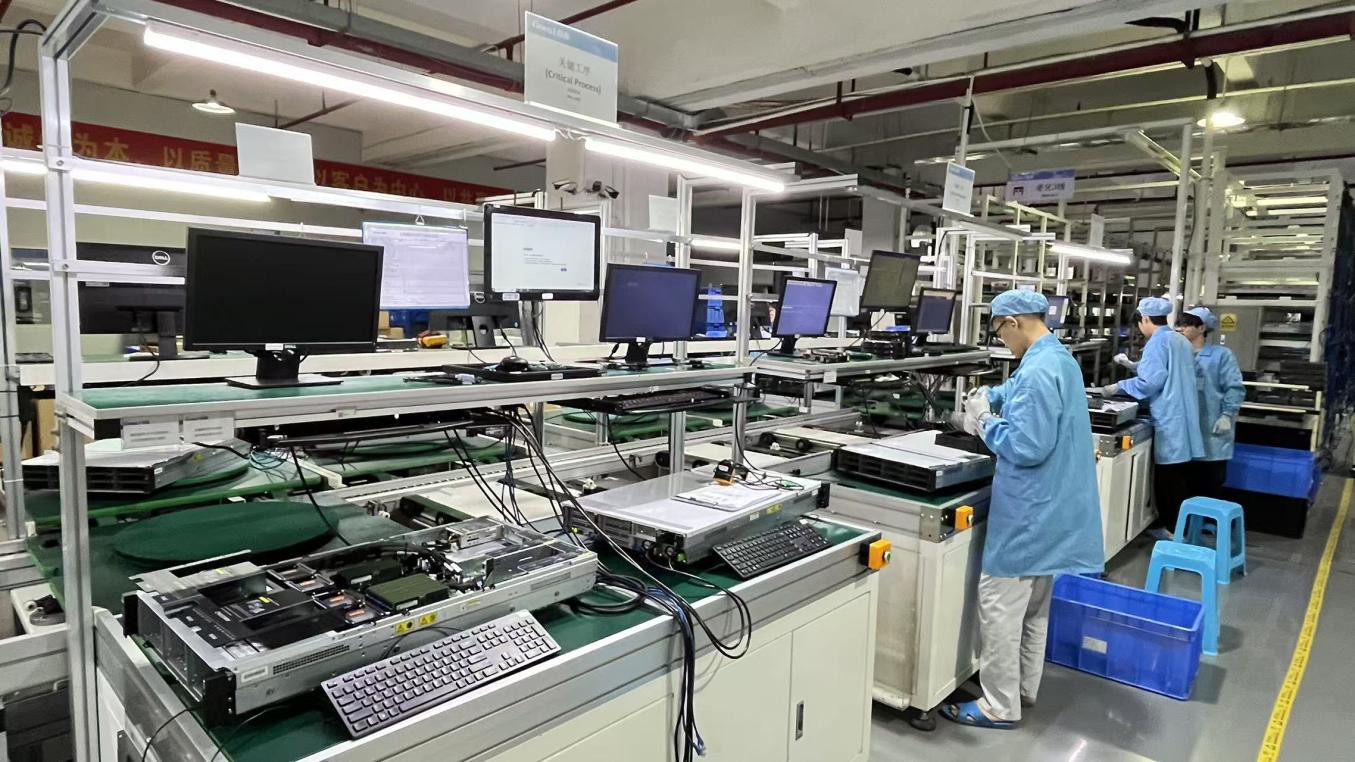
Located in Guangdong, China, Tensorium operates a modern manufacturing facility covering over 380㎡ and serves customers across North America, Europe, the Middle East, Southeast Asia, and other global markets. With years of experience in the AI computing industry, we have established a strong reputation for product quality, engineering expertise, and responsive customer service.
Innovation is at the core of our business. Our R&D team consists of over 120 experienced engineers dedicated to developing advanced GPU server architectures, AI cluster solutions, and customized computing systems. Last year alone, we successfully launched more than 80 new products and configurations tailored to emerging AI workloads and evolving customer requirements.
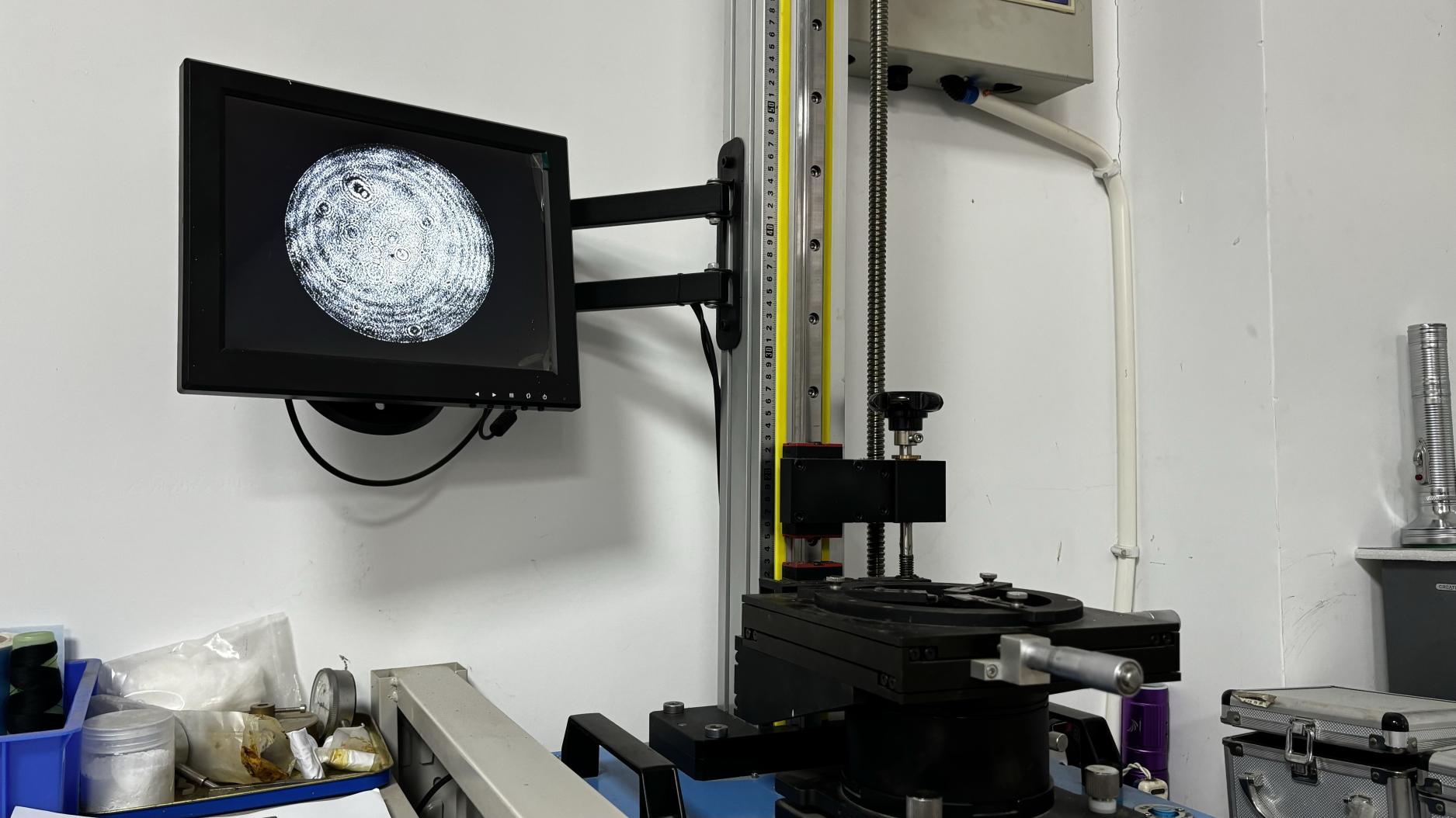
Quality is embedded throughout our manufacturing process. Tensorium maintains strict quality control standards with a dedicated team of 45 quality inspectors. Every product undergoes comprehensive inspections, including component verification, assembly inspection, system integration testing, burn-in testing, thermal performance validation, stability testing, and final quality assurance before shipment.
With strong OEM and ODM capabilities, we provide flexible customization options including GPU configuration, CPU platform selection, storage architecture, networking solutions, rack integration, branding services, and complete AI infrastructure deployment support. Our engineering team works closely with customers to deliver solutions optimized for their specific workloads and business objectives.
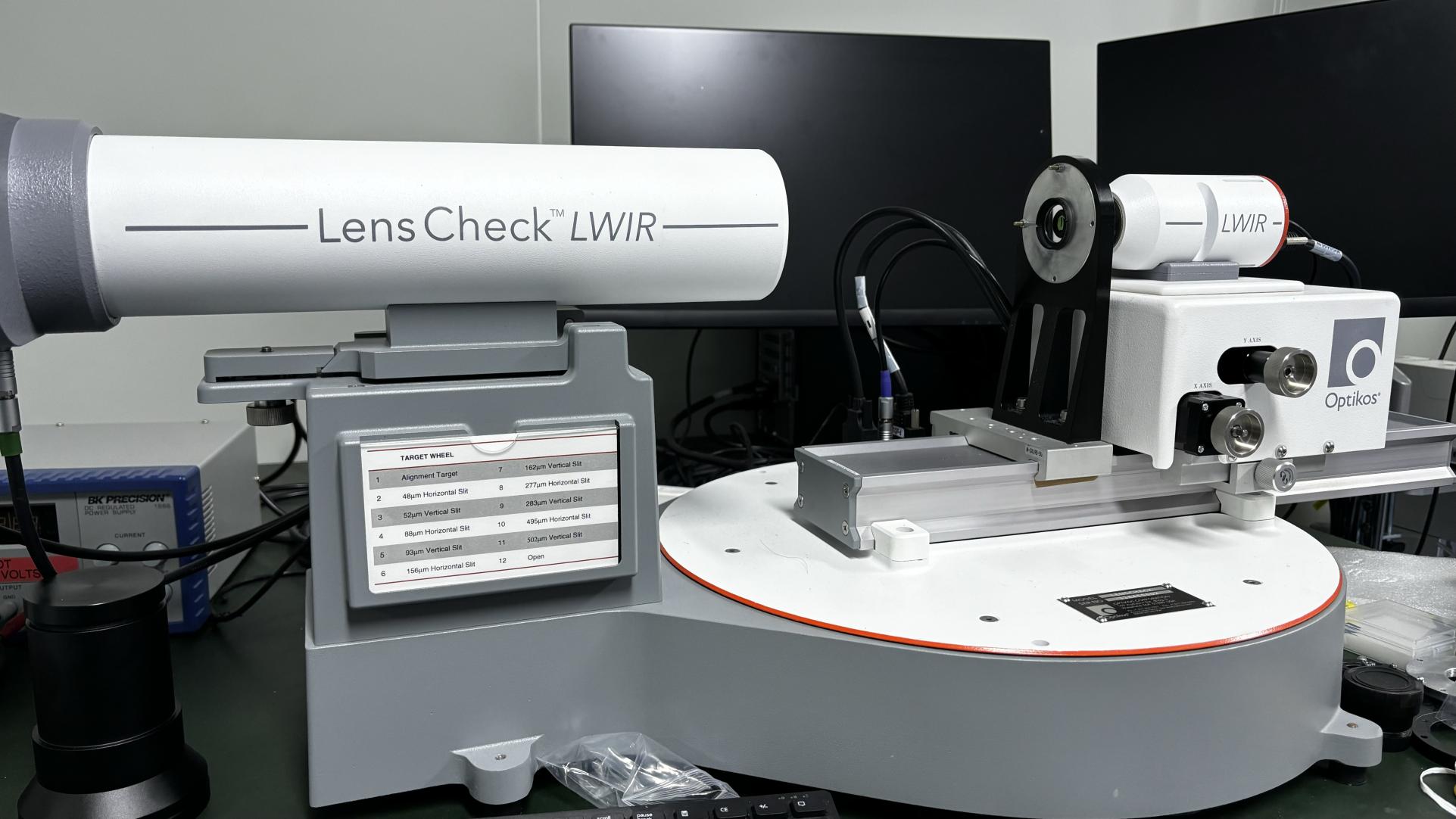
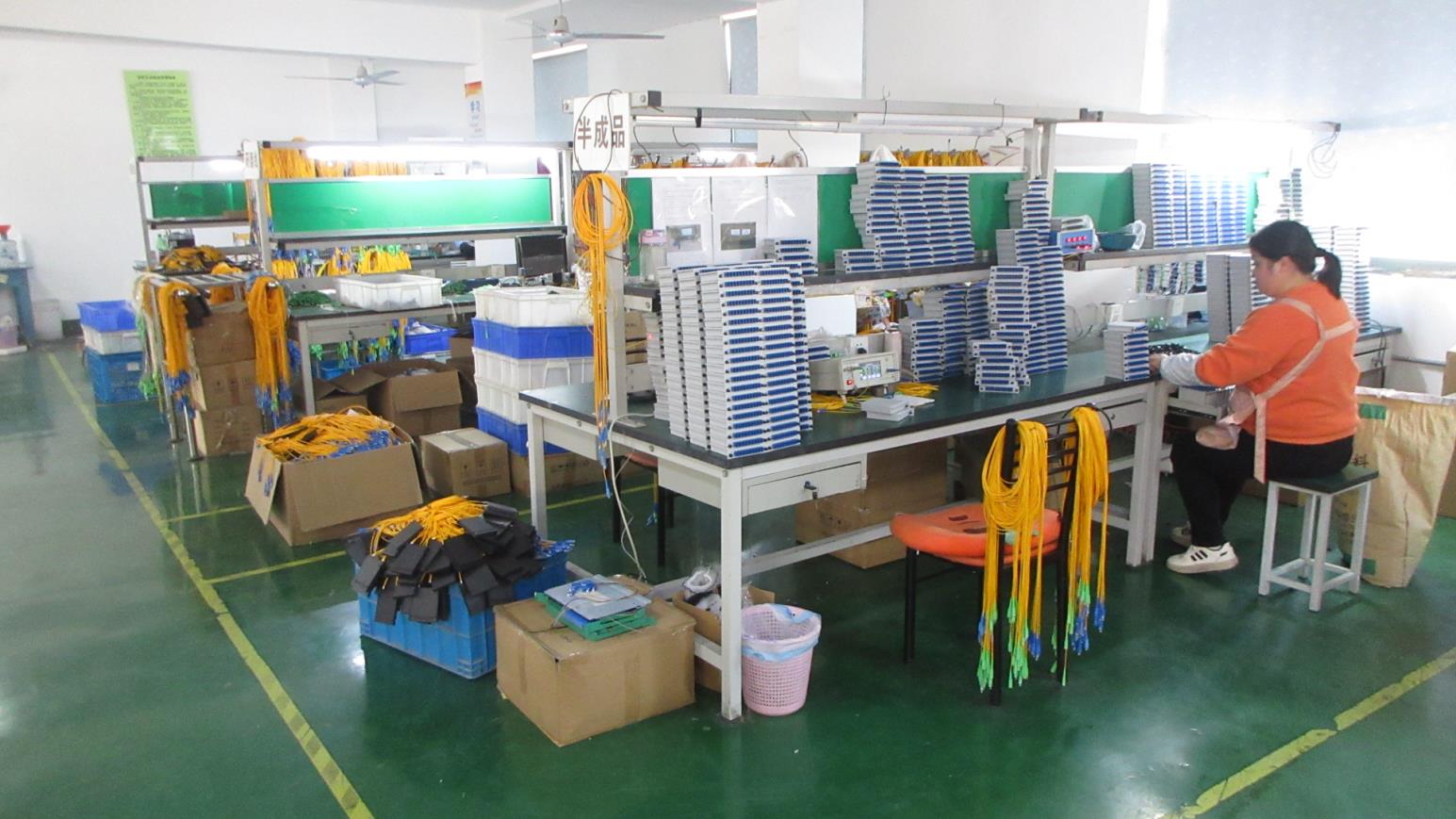
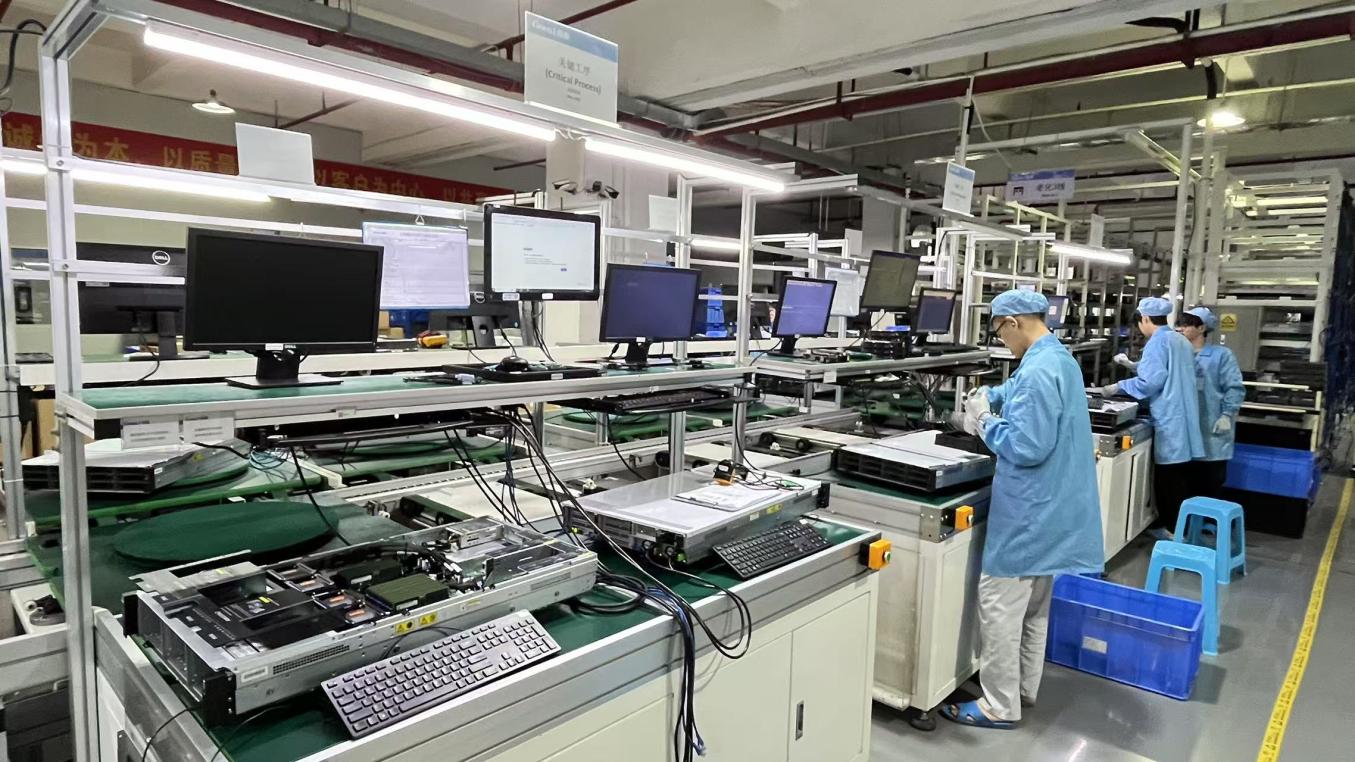
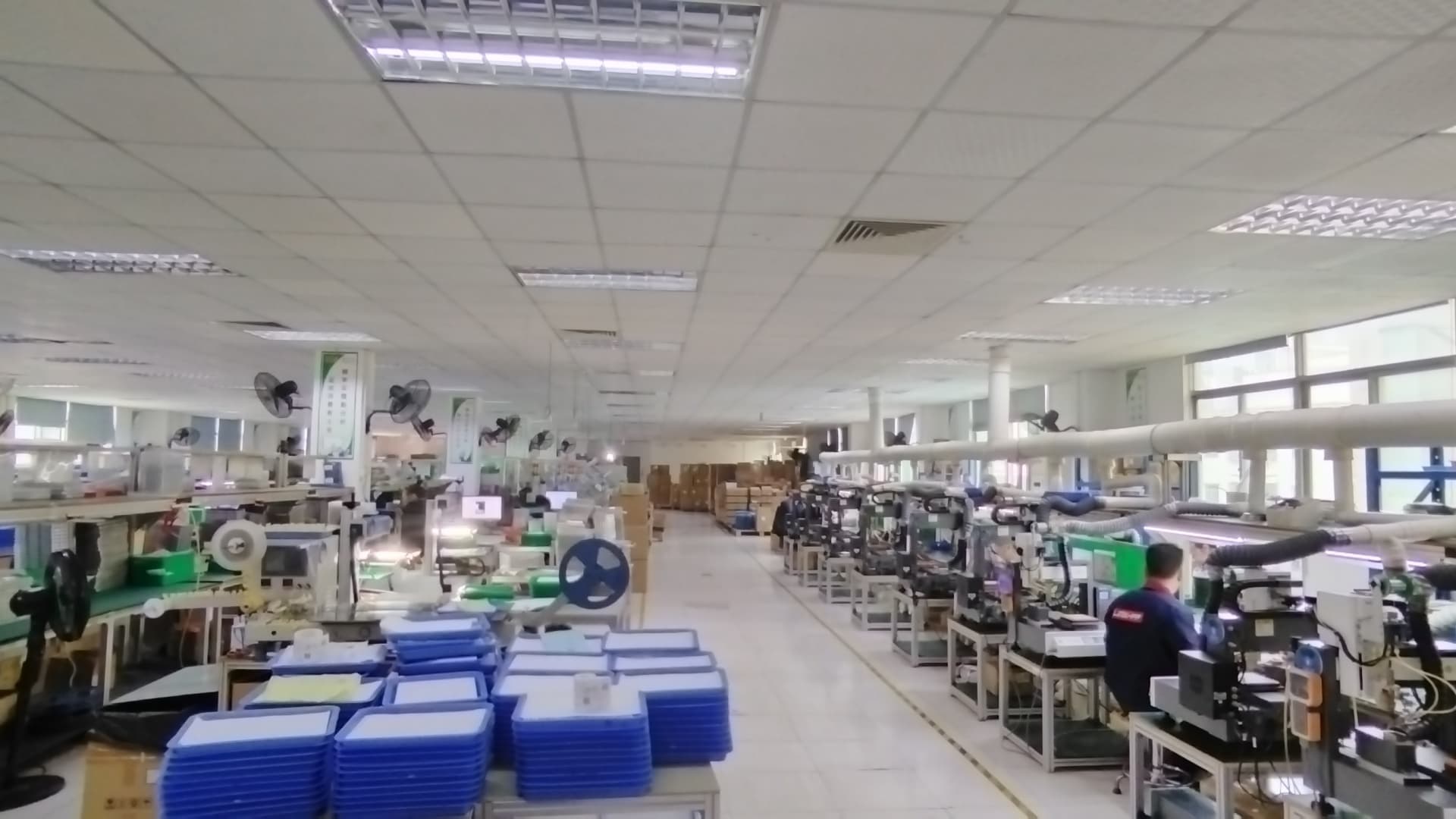
Deploy globally with absolute confidence. Tensorium handles local certification and support networks.
Every server model that leaves our factory meets necessary international certifications, including CE, FCC, RoHS, and UL, guaranteeing standard deployment compliance in European and North American enterprise facilities.
We configure bios settings and physical cryptographic hardware chips (TPM 2.0) to match strict localization policies like GDPR and HIPAA. This allows safe deployment in sensitive health and finance sectors.
Supported by a comprehensive network of system integrator partners, we guarantee hardware replacement services and engineering consultation across major logistics hubs worldwide.
A deep look at our engineering direction for the upcoming generations of data processing platforms.
We are currently developing next-generation backplane structures that support PCIe Gen6. This architecture will double throughput speeds compared to Gen5, allowing GPUs to draw data directly from centralized system memories using CXL (Compute Express Link) protocols. This advancement dramatically reduces processor latency bottlenecks in multi-tenant cloud systems.
As server component heat output climbs, traditional fans struggle to keep temperatures stable. Our engineers are finalizing toolless, quick-release cooling loops for high-density 2U configurations. These systems allow data centers to transition to highly efficient liquid cooling without completely rebuilding their server rack cabinets.
Future motherboard designs will feature built-in microcontrollers that monitor component health. These controllers communicate directly with cloud orchestrators, warning of potential component wear before issues arise. This integration allows cloud controllers to safely shift active workloads to other servers before physical problems can cause downtime.
Clear, direct answers regarding customized designs, component sourcing, logistics, and server compatibility.
Our process is built on structured stages: first, we discuss exact system requirements and layout criteria. Next, our R&D team creates motherboard and chassis drawings for approval. Once approved, we build and test a physical prototype. After rigorous functional validation, we move into final system assembly, certification, and volume manufacturing.
We operate under strict quality guidelines with 45 dedicated inspectors. Each server configuration undergoes full structural validation, including component compatibility verification, high-temperature system burn-in tests, network throughput testing, and synthetic processing load benchmarks before leaving our facility.
Yes. Our motherboards utilize standard UEFI firmware and IPMI-compliant controllers. This ensures seamless out-of-the-box compatibility with major enterprise hypervisors, including VMware ESXi, Proxmox VE, Red Hat KVM, Microsoft Hyper-V, and bare-metal Kubernetes deployment tools.
Lead times depend on the complexity of your custom requirements. Standard configurations using pre-designed chassis modules typically ship within 3 to 4 weeks. Specialized OEM/ODM motherboard redesigns or custom metal fabrications generally require 6 to 12 weeks to complete testing and start production.
Yes. Backed by 8 years of global export experience and a network of trusted logistics partners, we ship directly to server rooms and data centers worldwide. We coordinate customs documentation and safety verification to ensure a smooth delivery process.
We maintain an inventory of key replacement components—such as power supplies, fans, riser cards, and motherboards—for at least five years after a product line ends. This ensures long-term operational support for your systems.
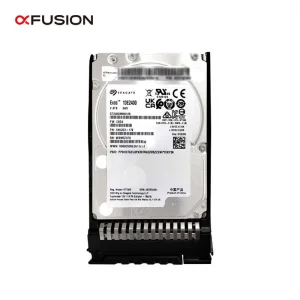
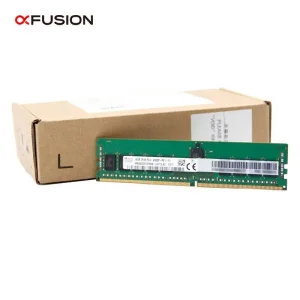
High-end solid-state storage arrays, memory modules, and processing components optimized for server infrastructures.