Tensorium
Tensorium
Tensorium
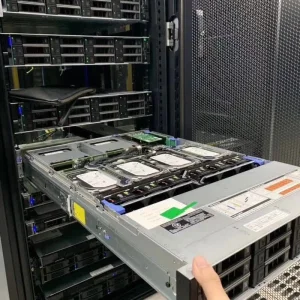
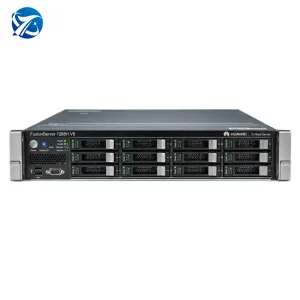
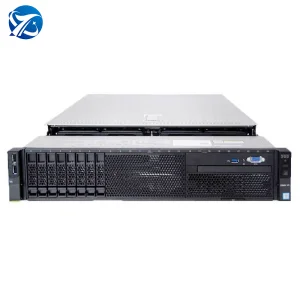
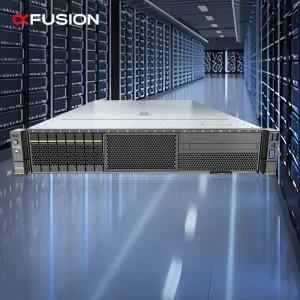
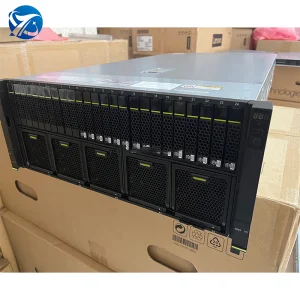
Explore our top-performing 1U, 2U, and 8U rackmount server options configured for enterprise workloads, optimized for LLM modeling, neural network training, and mass inference execution.
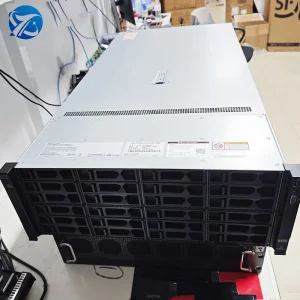
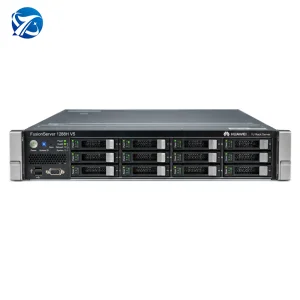
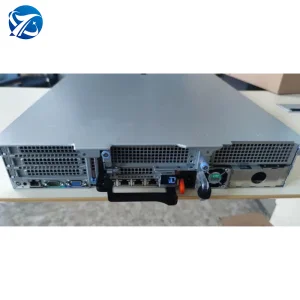
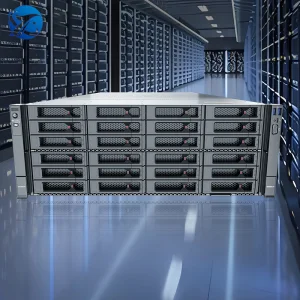
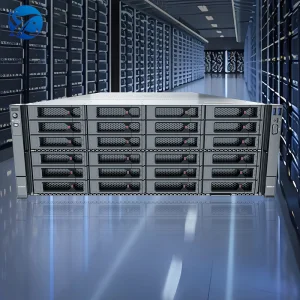
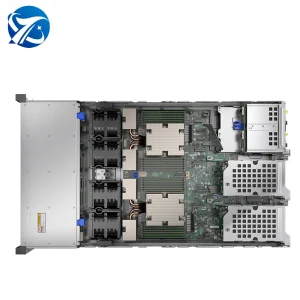
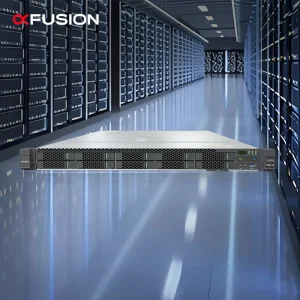
The global computing landscape is experiencing a paradigm shift. With the emergence of ultra-large-scale language models (LLMs) such as DeepSeek, GPT-4, and complex mixture-of-experts (MoE) architectures, off-the-shelf generalized servers can no longer meet the specific, intensive compute density, thermal, and network throughput demands. At Tensorium Intelligent Technology Co., Ltd., we develop highly specialized OEM/ODM GPU platforms designed to alleviate memory access bottlenecks, reduce inter-node network latency, and scale to thousands of compute nodes seamlessly.
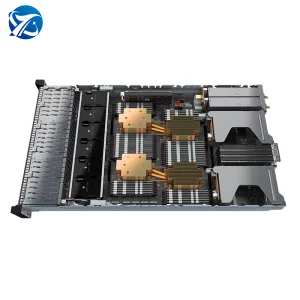
As TDP (Thermal Design Power) per accelerator breaches the 700W to 1000W envelope, active air cooling reaches its thermodynamic limitations. Our engineering facility deploys advanced 3D vapor chambers, custom-milled copper micro-channel liquid cold plates, and localized liquid-to-air loop configurations to sustain optimal junction temperatures. During sustained DeepSeek workloads, keeping silicon junction temperatures below 75°C prevents thermal throttling, safeguarding computational predictability and preserving hardware service life.
Uncapped bandwidth is critical to cluster scalability. Our ODM designs implement low-loss, high-speed PCB layouts utilizing Megtron 8 or equivalent ultra-low dissipation factor (Df) substrates to guarantee clean signal integrity for PCIe Gen 5.0 lanes. This layout handles high-speed data transmission over internal host-to-fabric networks without data dropouts, permitting maximum utilization of NVIDIA NVLink, AMD Infinity Fabric, or standard OCP Accelerator Module (OAM) interconnect topologies.
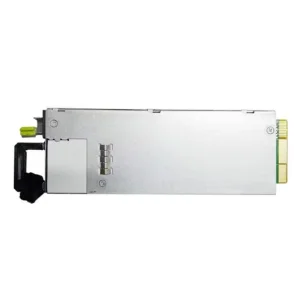
Under transient loads (such as sudden backward propagation phases during large model training), power demand spikes rapidly. We engineer our custom multi-GPU rackmount platforms with hot-swappable, N+N redundant Common Redundant Power Supplies (CRPS) matching 80 Plus Titanium efficiency (96%+). This architecture mitigates the risk of systemic failure caused by input voltage dropouts and minimizes distribution line losses inside high-density cabinets.
Our design decisions are guided by data and verified by robust manufacturing and testing pipelines.
AI compute requires target-oriented designs. Below is an overview of optimized hardware deployments designed to meet regional data guidelines, network topologies, and industry constraints.
Our servers feature expanded memory capacity and ultra-low latency internode systems optimized for DeepSeek models, enabling fine-tuning on proprietary data without memory bottlenecks.
These units deliver high-throughput sensor fusion, Processing multiple high-definition camera feeds and LiDAR inputs simultaneously with low-latency PCIe data lanes.
Compact, dust-resistant 1U and 2U configurations deployable in municipal network hubs, optimizing real-time visual streams with low power consumption.
Optimized for processing large-scale molecular modeling datasets, delivering stable, continuous floating-point operations over weeks-long calculations.
Custom BIOS configurations featuring ultra-low latency execution pathways and hardware-level network interface card (NIC) tuning.
Standardized, IPMI 2.0-compliant platforms with open-source RESTful APIs for remote bare-metal provisioning and asset management.
The pace of accelerated computing innovation requires a forward-looking hardware design strategy. Over the next five years, our engineering pipeline will focus on the following core technological milestones:
Located in Guangdong, the epicenter of global electronics manufacturing, Tensorium Intelligent Technology Co., Ltd. benefits from a highly integrated local supply chain. This strategic location enables rapid hardware turnarounds and ensures component continuity. Within a 50-mile radius, we source high-layer-count FR4/Megtron PCBs, custom sheet metal enclosures, precision power distribution components, and specialized cooling parts.
This localized network reduces prototyping cycles from months to weeks. Additionally, our long-term supplier relationships help insulate enterprise customers from global component allocation shortages, ensuring stable and predictable lead times for critical server shipments.
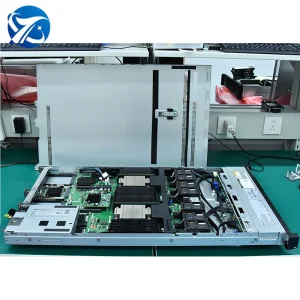
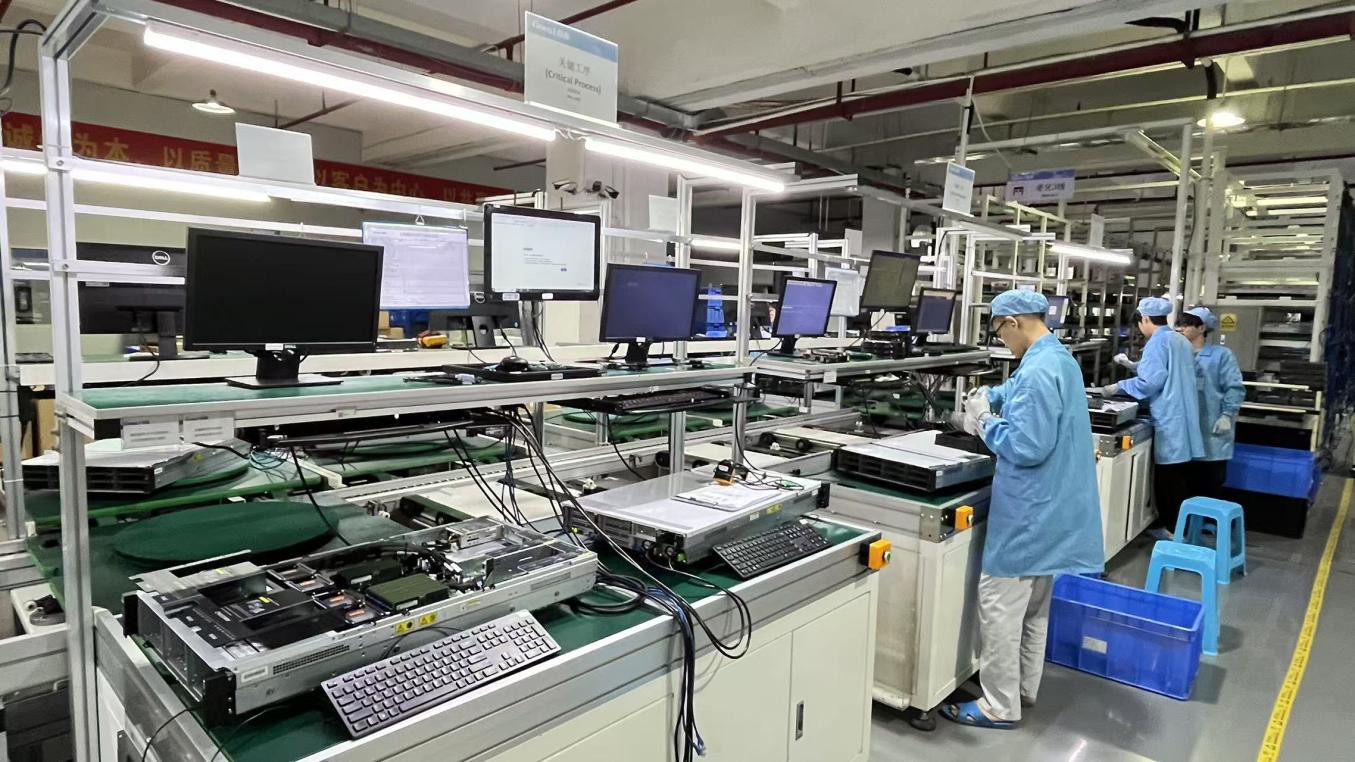
Take a look inside our广东省 integration facility, where assembly, testing, and multi-tier quality assurance operations are performed.
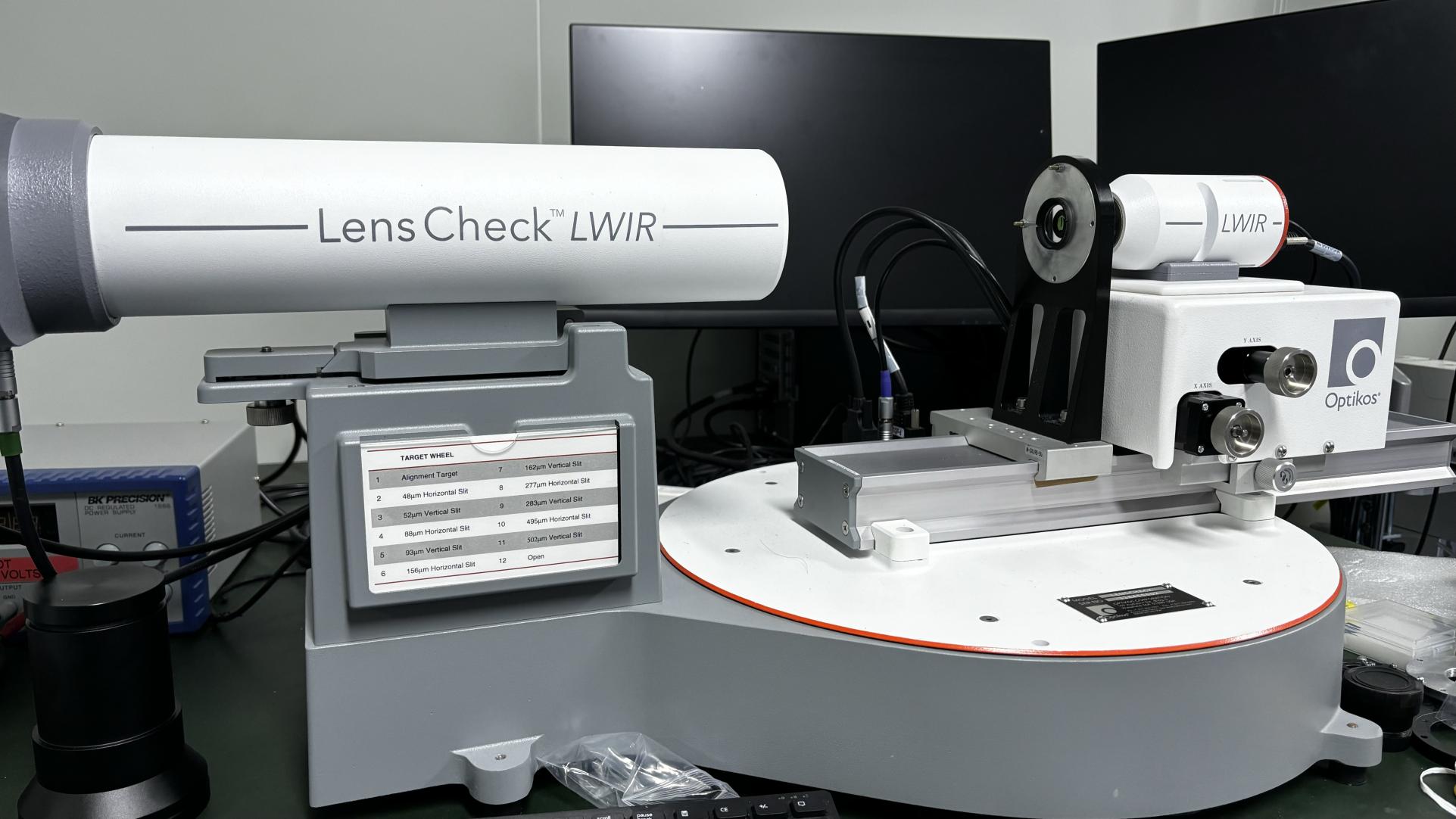

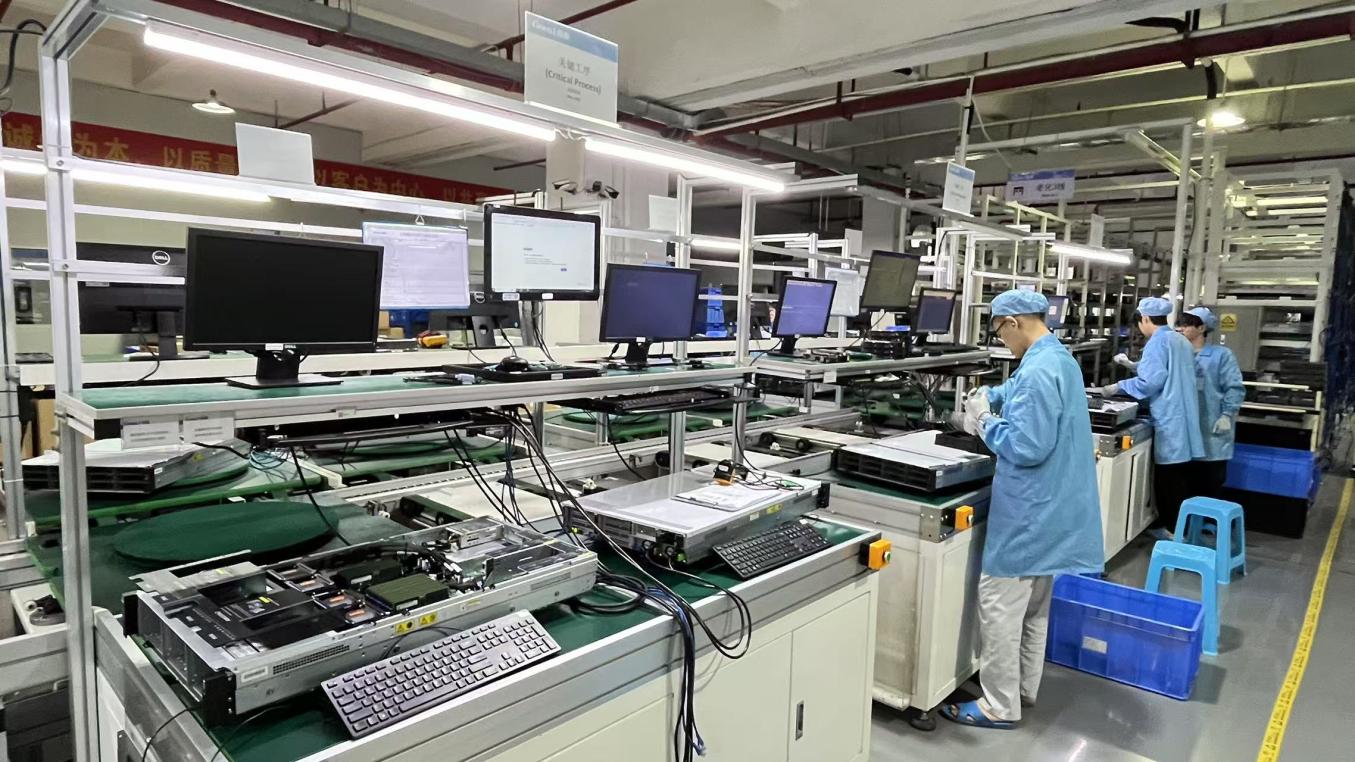
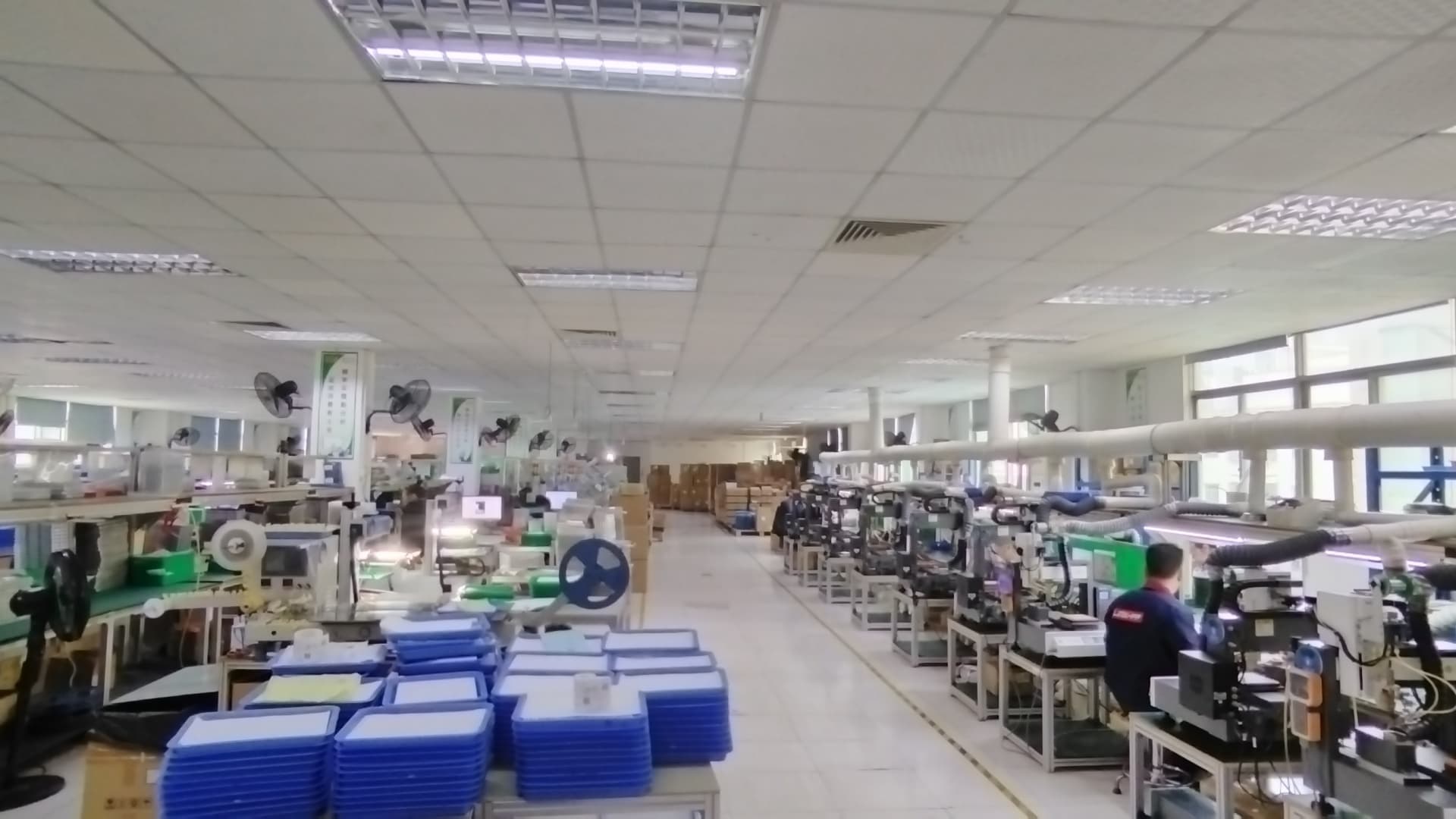
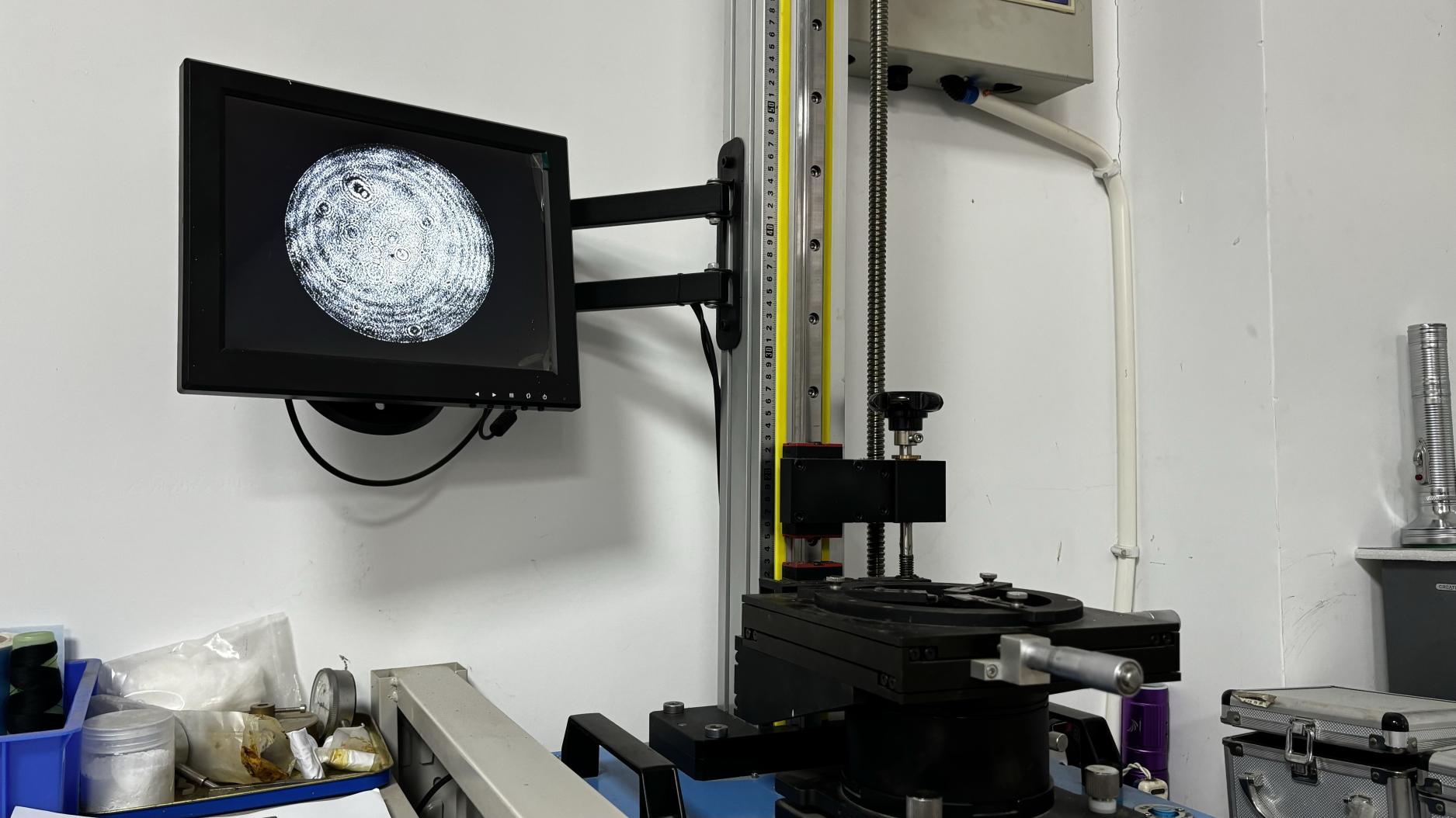
Enterprise computational deployments require adherence to regulatory guidelines and electrical certification standards. Every system we manufacture undergoes rigorous safety and EMC evaluations before export, ensuring compliance with global regulatory frameworks:
Beyond regulatory compliance, we provide comprehensive technical support for our systems. We offer customization options for remote out-of-band management platforms, including IPMI 2.0 and Redfish API integrations. This allows enterprise operations teams to monitor physical components, update firmware, and manage power configurations securely from any location globally.
Got technical questions? Explore detailed answers regarding custom engineering, order processing, and system validation.
Every server undergoes a minimum of 48 hours of continuous high-temperature burn-in testing. We validate system performance using tools such as HPL (High-Performance Linpack), run signal integrity checks on all PCIe lanes, and verify thermal performance under sustained workloads.
Yes, we provide full firmware-level customization. This includes custom boot screens, modified fan speed curves optimized for specific ambient conditions, custom sensor thresholds, and configured IP address parameters for out-of-band management interfaces.
The process begins with an engineering review of your target workloads and physical integration requirements. We then compile a structural plan specifying layout parameters, thermal solutions, and component selections. Once approved, we move to prototyping, validation testing, and eventual volume production.
We design our systems using high-efficiency power distribution boards combined with Titanium-grade power supplies. This helps minimize energy conversion loss and ensures clean power delivery to both processing units and peripheral subsystems.
Complete hardware ecosystems, redundant network nodes, and high-performance server power systems designed for continuous operation.