Tensorium
Tensorium
Tensorium
High-reliability compute architectures designed for data-intensive enterprise workloads, containerized deep learning networks, and advanced cryptographic systems.
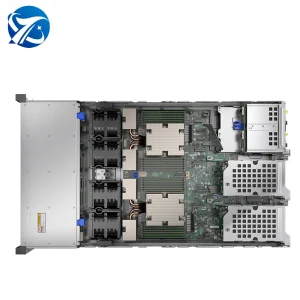
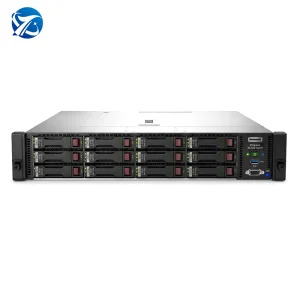
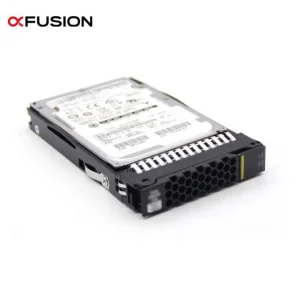
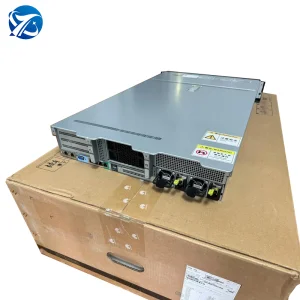
How data sovereign mandates, AI hardware training limits, and edge computation architectures are redefining secure hardware infrastructure.
The contemporary secure storage landscape is highly influenced by national cybersecurity structures and data sovereignty regulations. From the European Union's General Data Protection Regulation (GDPR) and NIS2 frameworks to North American HIPAA and FedRAMP expectations, enterprises are now strictly mandated to ensure data encryption both at rest and in transit. Standard firmware no longer provides sufficient safety thresholds. Modern systems demand physical Self-Encrypting Drives (SEDs), Secure Boot rooted in hardware, and secure multi-tenant cryptographic isolations within high-performance clusters.
With the rise of large-scale models such as DeepSeek-R1 and GPT systems, training data preparation and local inference configurations require tremendous data storage integrity. A typical compute cluster handling thousands of GPUs demands hyper-fast PCIe Gen5 NVMe storage channels linked directly to enterprise CPUs through RDMA over Converged Ethernet (RoCE). Ensuring the security of these petabyte-scale training pools against algorithmic espionage or unauthorized manipulation is now the highest priority for hardware architects.
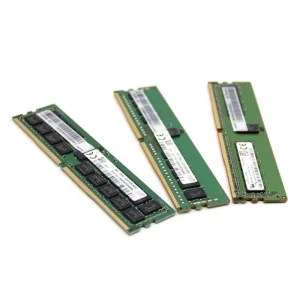
To counter persistent firmware exploits, our custom secure storage architectures implement dual-cryptographic validation loops at boot. Every controller, memory rank (RDIMM), and expansion bus undergoes pre-boot authorization against factory-provisioned cryptokeys stored securely within an isolated hardware security enclave. This represents the pinnacle of OEM/ODM hardware integrity.
A granular look at the layers of modern hardware-centric secure storage environments.
Deploying dedicated secure cryptoprocessors (such as TPM 2.0 modules) directly on our motherboards allows for real-time AES-256 validation of physical media without degrading system processing speed. Compute cycles are preserved for crucial processing tasks.
Continuous extreme write cycles produce massive heat signatures that degrade silicon gates and induce data drift. Our systems integrate advanced thermal structures, including 2U liquid cooling heat sinks, ensuring operational equilibrium and data persistence.
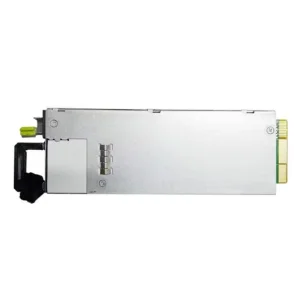
Volatile memory registers must be protected in unexpected brownout cycles. High-efficiency Platinum 900W to 2000W redundant PSUs prevent logic state corruption by maintaining clean power profiles even under sudden peak computation loads.
A Professional OEM/ODM Manufacturer of High-Performance AI GPU Servers, Storage Systems, and Advanced Computing Infrastructure.
Founded in 2016, Tensorium Intelligent Technology Co., Ltd. is a professional manufacturer and global supplier of high-performance AI GPU servers, GPU clusters, and intelligent computing infrastructure solutions. We specialize in delivering reliable, scalable, and customized computing platforms for artificial intelligence training, inference, deep learning, HPC, and enterprise data center applications.
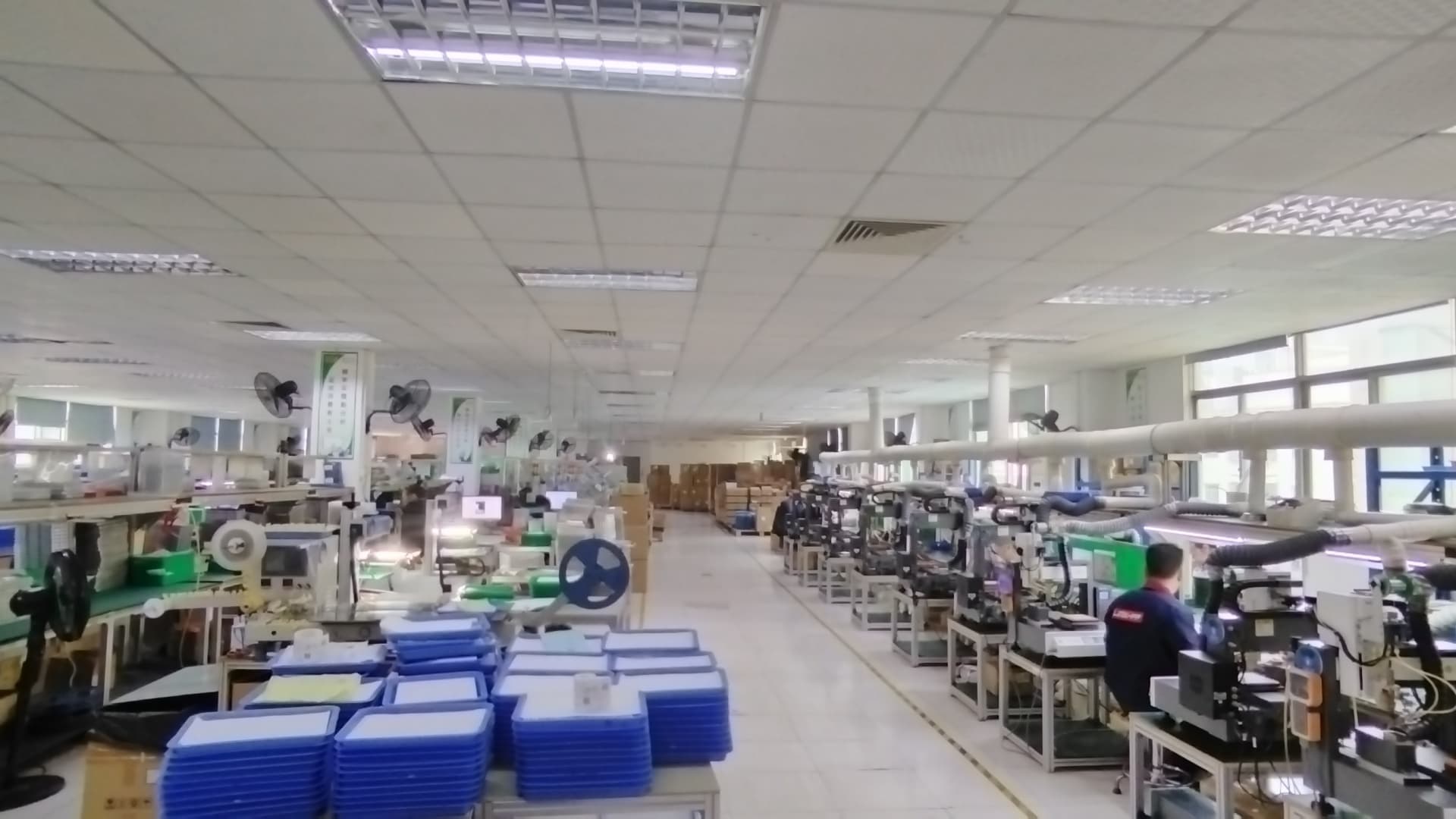
Located in Guangdong, China, Tensorium operates a modern manufacturing facility covering over 380㎡ and serves customers across North America, Europe, the Middle East, Southeast Asia, and other global markets. With years of experience in the AI computing industry, we have established a strong reputation for product quality, engineering expertise, and responsive customer service.
Our annual export revenue exceeds USD 18 million, supported by an extensive supply chain network of more than 1,200 trusted partners worldwide. We work closely with AI startups, cloud service providers, system integrators, research institutions, enterprise customers, and data center operators seeking high-performance computing solutions.
Innovation is at the core of our business. Our R&D team consists of over 120 experienced engineers dedicated to developing advanced GPU server architectures, AI cluster solutions, and customized computing systems. Last year alone, we successfully launched more than 80 new products and configurations tailored to emerging AI workloads and evolving customer requirements.
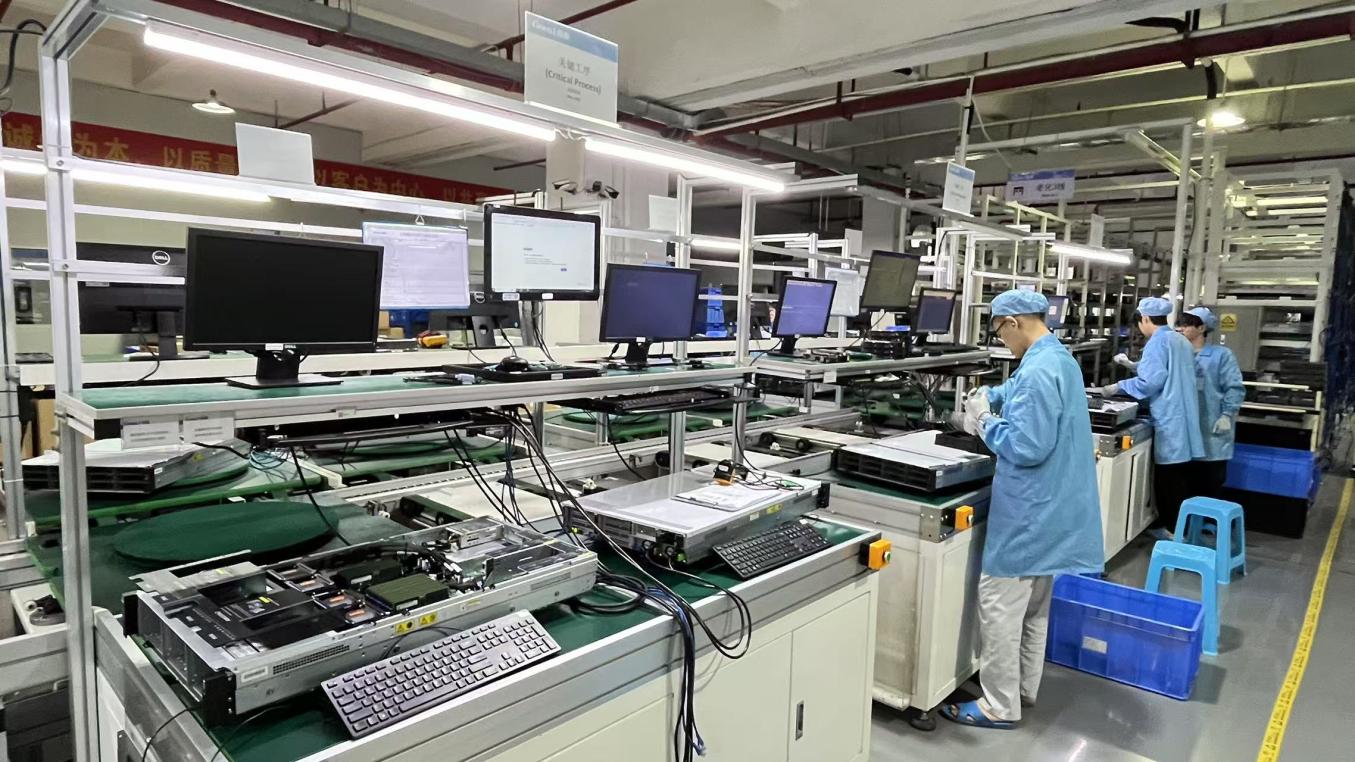
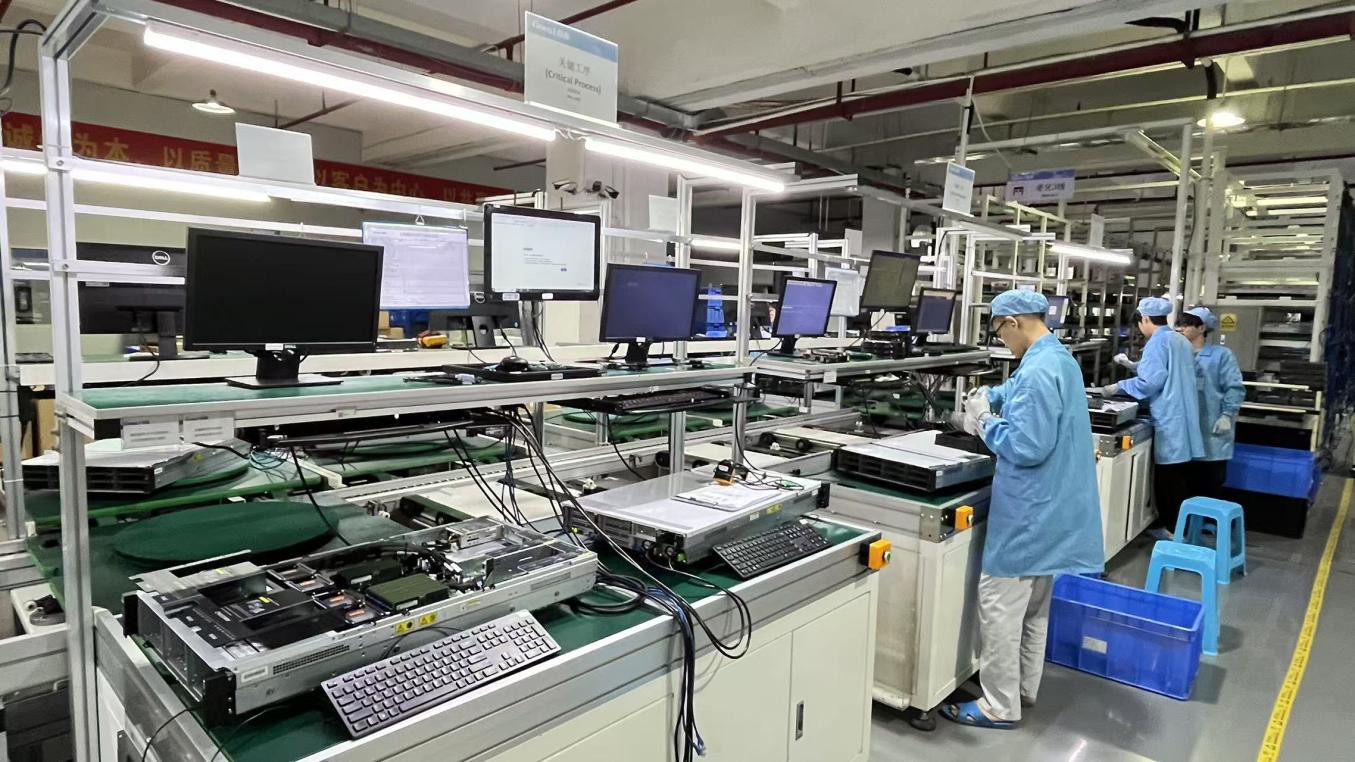
Quality is embedded throughout our manufacturing process. Tensorium maintains strict quality control standards with a dedicated team of 45 quality inspectors. Every product undergoes comprehensive inspections, including component verification, assembly inspection, system integration testing, burn-in testing, thermal performance validation, stability testing, and final quality assurance before shipment.
With strong OEM and ODM capabilities, we provide flexible customization options including GPU configuration, CPU platform selection, storage architecture, networking solutions, rack integration, branding services, and complete AI infrastructure deployment support. Our engineering team works closely with customers to deliver solutions optimized for their specific workloads and business objectives.
Backed by advanced manufacturing capabilities, continuous innovation, and a customer-focused approach, Tensorium is committed to helping organizations accelerate AI adoption and unlock the full potential of intelligent computing technologies.
Mapping hardware optimizations to regional operational demands and local policy compliance.
Primary Driver: Hyperscale density, low latency, and zero-trust computing profiles.
We provide enterprise architectures optimized for high-density virtualized infrastructure. These designs feature hot-swappable PCIe 5.0 EDSFF media backplanes configured with custom management controller firmware compatible with legacy architectures.
Primary Driver: Strict adherence to hardware validation, chain of custody, and physical isolation.
We deliver custom OEM storage configurations built with certified TPM 2.0 nodes, verified self-encrypting enterprise SSDs (such as the S4520 read-intensive series), and complete hardware build trace records.
Primary Driver: High ambient operational efficiency, air-tight local hardware storage arrays.
We build dedicated computing units equipped with liquid-assisted cooling loops (specifically designed for high-heat environments) and custom RAID storage platforms featuring robust environmental monitoring interfaces.
Anticipating security bottlenecks and data processing requirements in the next era of high-density AI clusters.
As memory and storage interfaces converge, future Tensorium secure storage arrays will natively support CXL 3.0 configurations. This standard permits direct dynamic memory pooling across CPUs, GPUs, and network switches without standard PCI bus latency, preserving logical hardware security perimeters in real time.
Traditional elliptic curve authentication algorithms will soon be vulnerable to quantum computing decryption vectors. Our active R&D pipeline is testing lattice-based signatures for BIOS verification and controller keys, protecting physical storage assets from tomorrow's digital threats.
Answers to critical questions regarding hardware procurement, custom secure storage integration, and GPU platform deployment.
A secure storage profile is evaluated based on three critical vectors: hardware-enforced isolation (such as TPM 2.0 keys and cryptoprocessor validations), physical drive-level security (AES-256 self-encrypting drives or SEDs), and pre-boot platform verification (such as Secure Boot loops matching OEM keys). These features prevent tampering during shipment and operation.
In high-density computing arrays (like the HPE DL360 Gen12 or dense GPU clusters), CPU/GPU thermal output can exceed standard chassis thresholds. High heat accelerates read-intensive SSD degradation and controller failure. Liquid cooling safely transfers heat away from storage lanes, keeping storage media within optimal thermal ranges (typically below 50°C) and maintaining read/write performance.
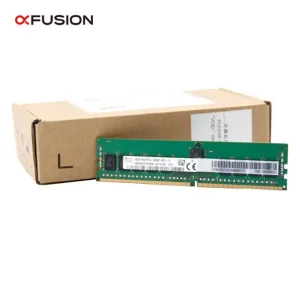
DDR5 memory (such as 6400MHz RDIMMs) provides high bandwidth and includes on-die ECC (Error Correction Code). This technology mitigates single-bit errors at the physical memory level, preventing data corruption and protecting against malicious side-channel attacks that exploit memory-level vulnerabilities.
Yes. Our engineering division optimizes custom hardware platforms for high-demand AI models (such as DeepSeek-R1 and similar parameter clusters). We provide custom PCIe Gen5 storage layouts, dual-socket Xeon configurations, and high-amperage PSU integrations to support the heavy loads of AI model inference and training.
Every OEM system undergoes a multi-stage QA process, including hardware component verification, structural inspection, and system integration checks. We run extended high-heat burn-in testing, thermal performance validation, and software simulation runs to ensure 100% reliability before the system leaves our facility.
We maintain strategic partnerships with component suppliers, chip fabricators, and logistics firms worldwide. This network allows us to source high-grade materials, scale production quickly, and maintain stable lead times for enterprise clients in North America, Europe, and Asia.
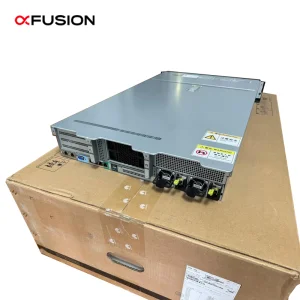
Inside our specialized integration center where computing systems undergo assembly, functional inspection, and burn-in testing.
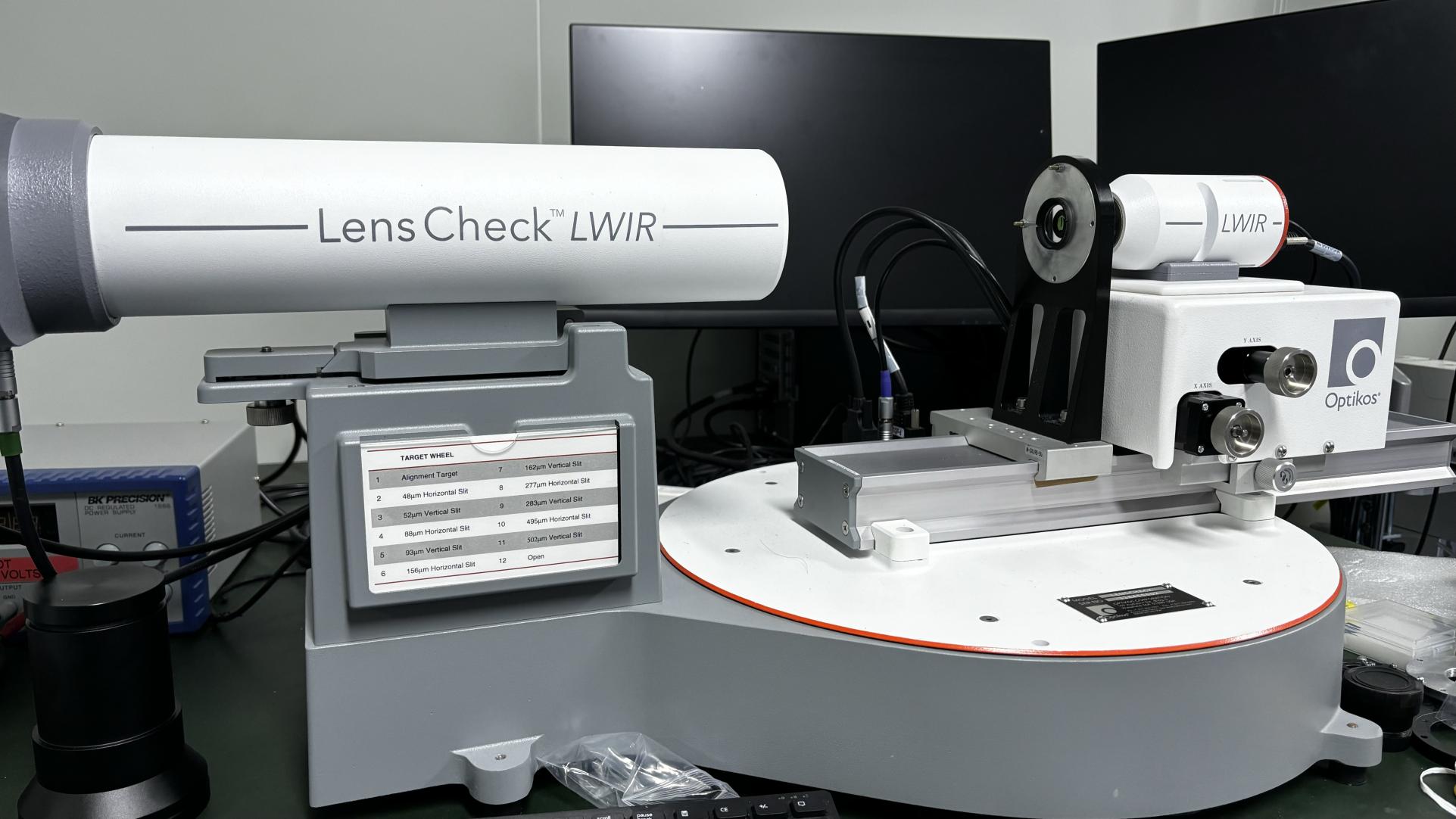
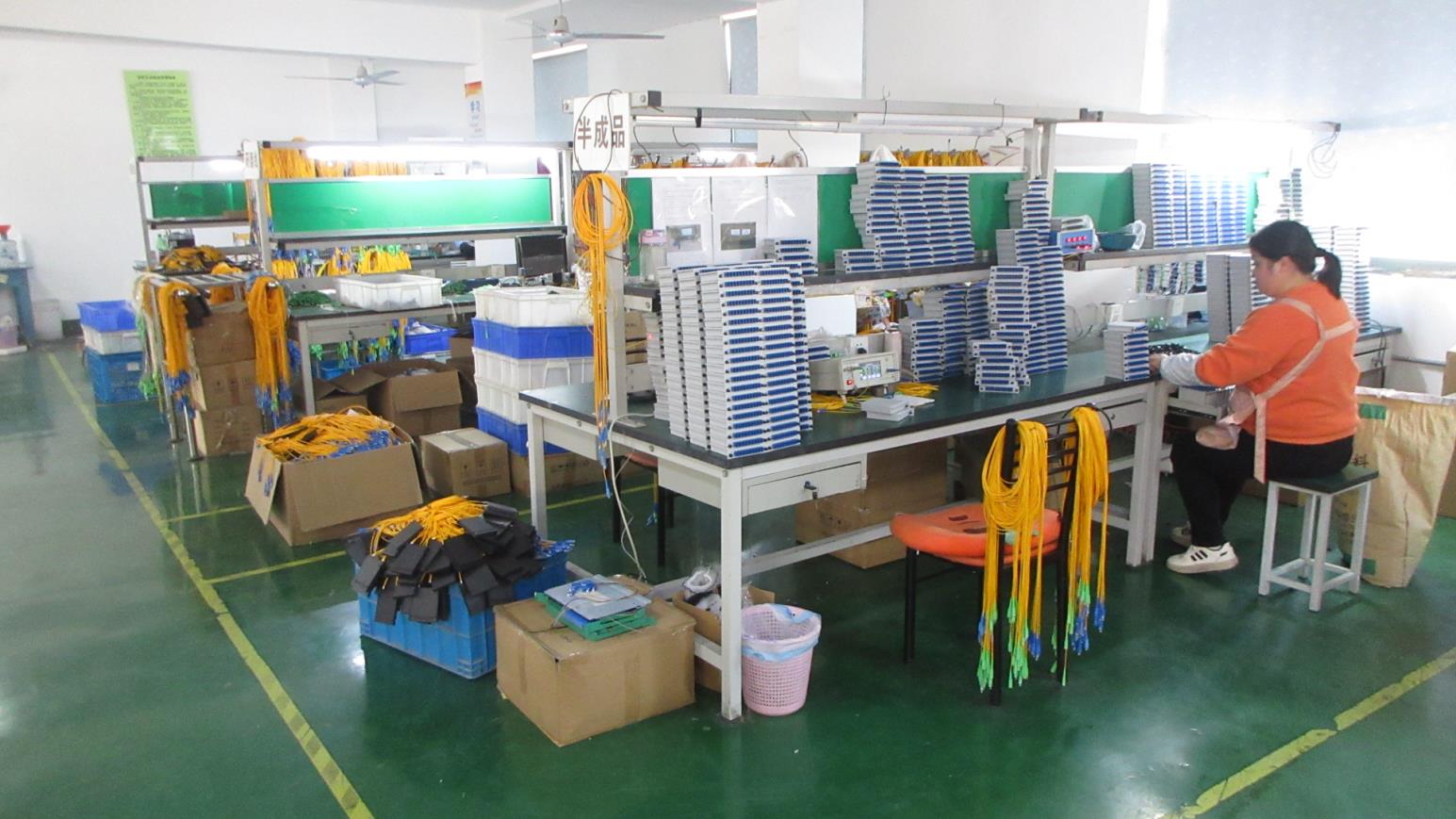
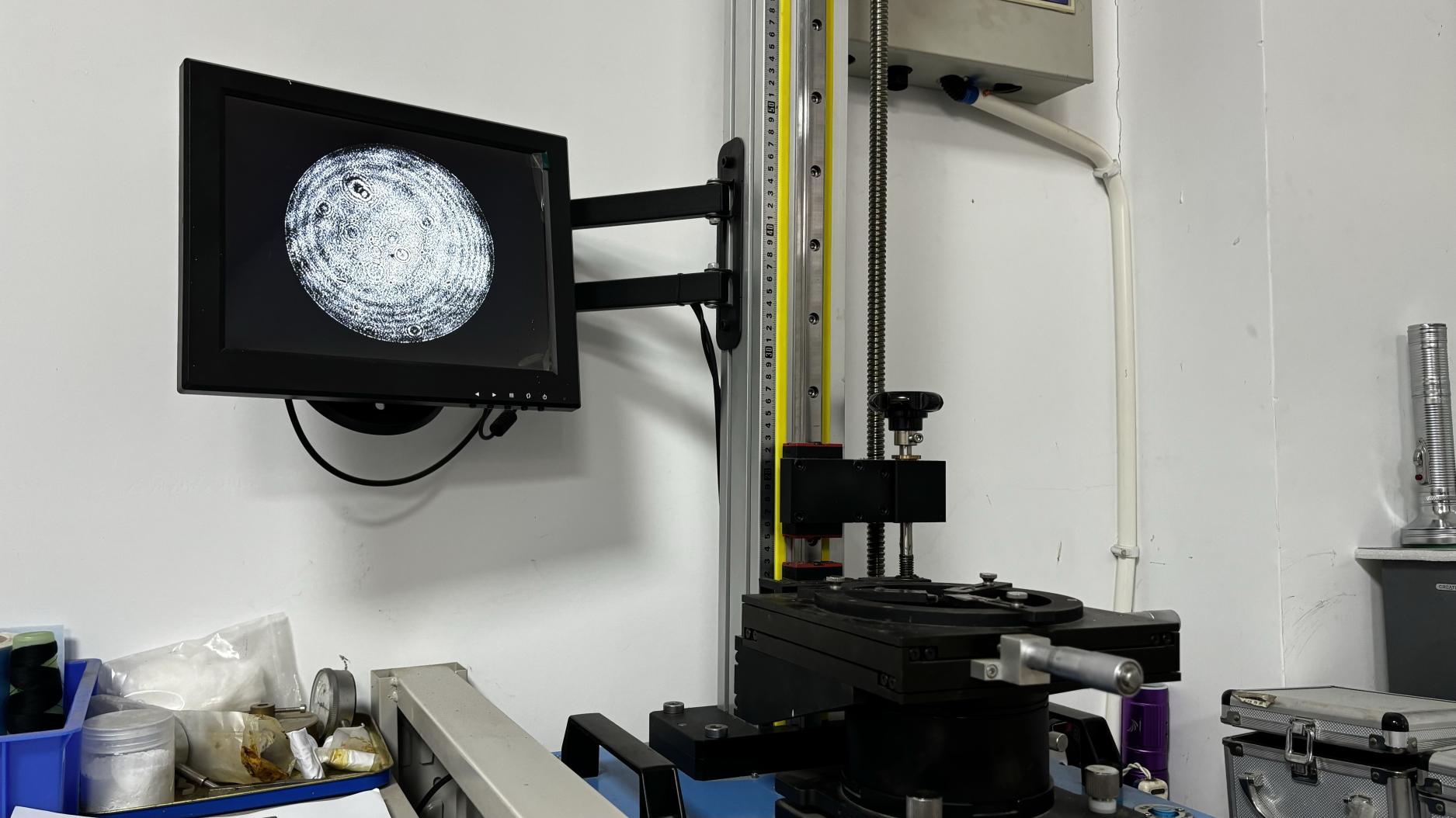
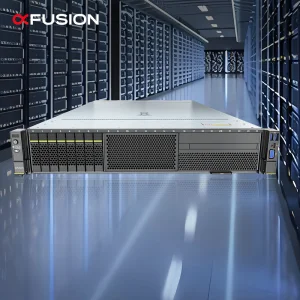
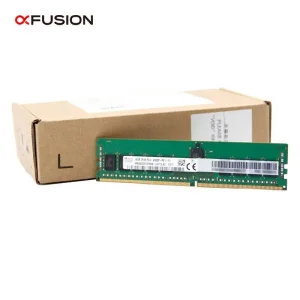
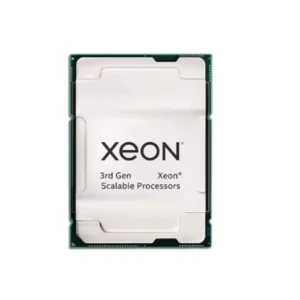
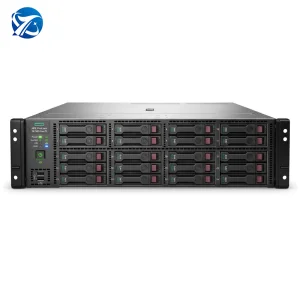
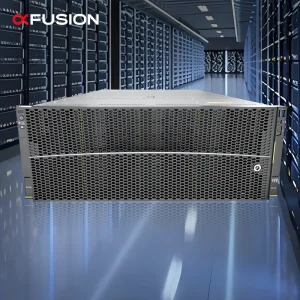
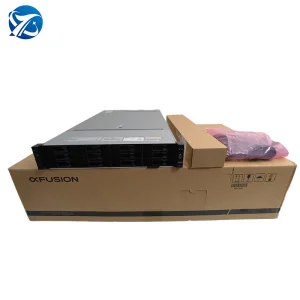
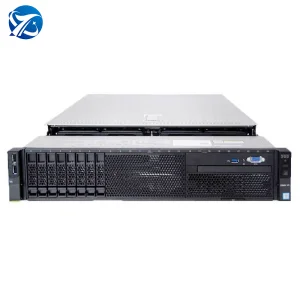
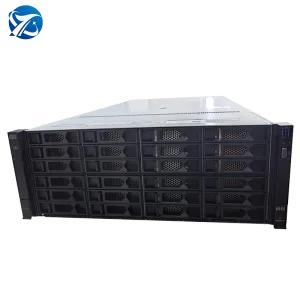
High-speed system memory, redundant power units, enterprise processors, and rack architectures to build out secure infrastructure.