Tensorium
Tensorium
Tensorium
Modern workloads such as Large Language Models (LLMs), AI GPU clustering, and hyperscale virtualization are pushing traditional networking infrastructures beyond their limits. The demand for high-speed network switches featuring data rates of 100Gbps, 400Gbps, and 800Gbps is no longer an optional upgrade—it is a critical necessity. Lossless transmission, advanced traffic scheduling, and robust hardware layer customizability are the foundation of modern high-performance cloud ecosystems.
As a leading custom OEM/ODM developer, our product offerings span from enterprise-grade Layer 3 core switches to ultra-low latency top-of-rack (ToR) switches configured for massive computing arrays. By leveraging advanced silicon technology, customized ASIC programming, and robust thermal engineering, we ensure that global enterprises maintain frictionless connectivity without systemic network congestion or packet degradation.
Founded in 2016, Tensorium Intelligent Technology Co., Ltd. is a professional manufacturer and global supplier of high-performance AI GPU servers, GPU clusters, and intelligent computing infrastructure solutions. We specialize in delivering reliable, scalable, and customized computing platforms for artificial intelligence training, inference, deep learning, HPC, and enterprise data center applications.
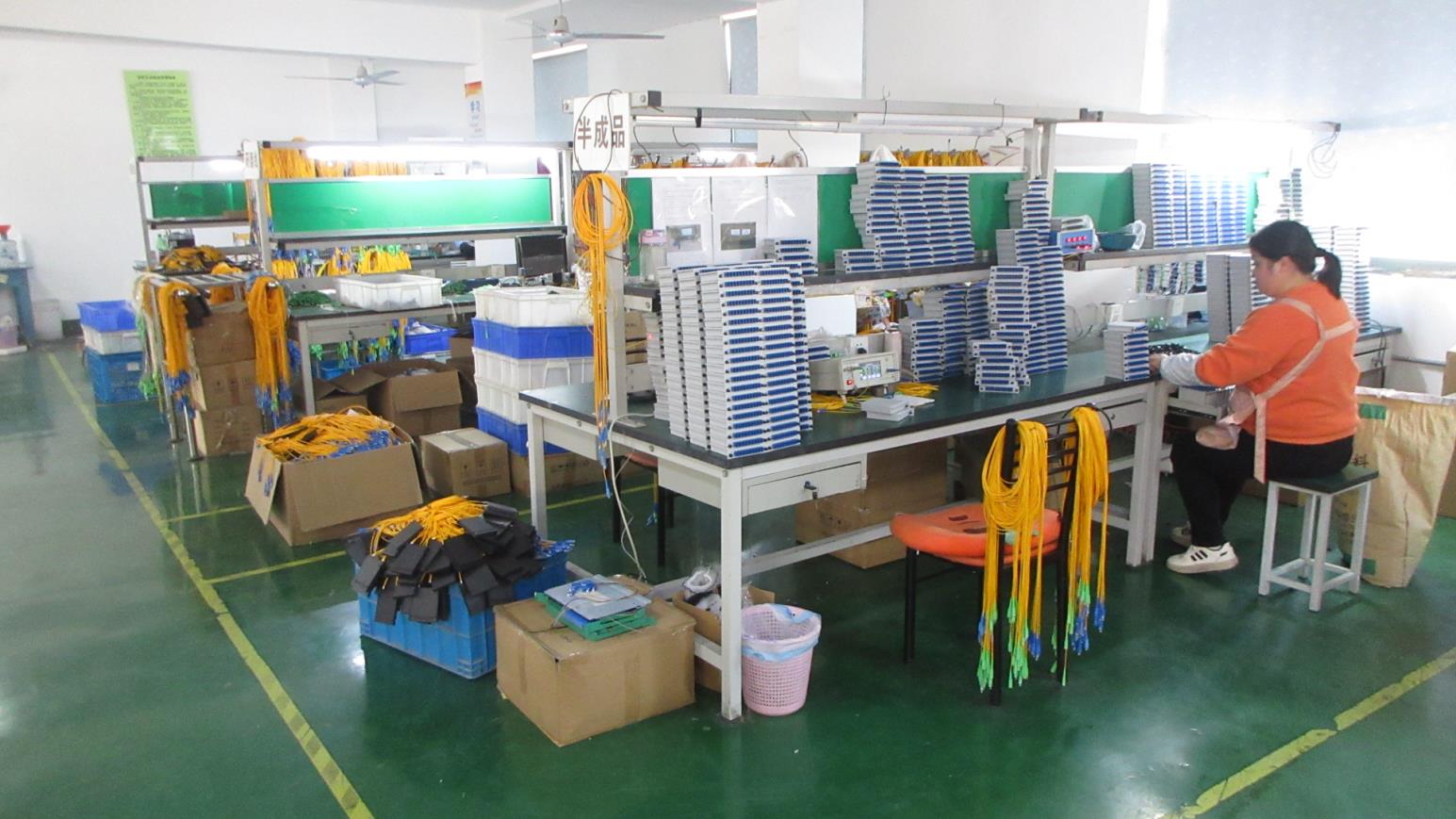
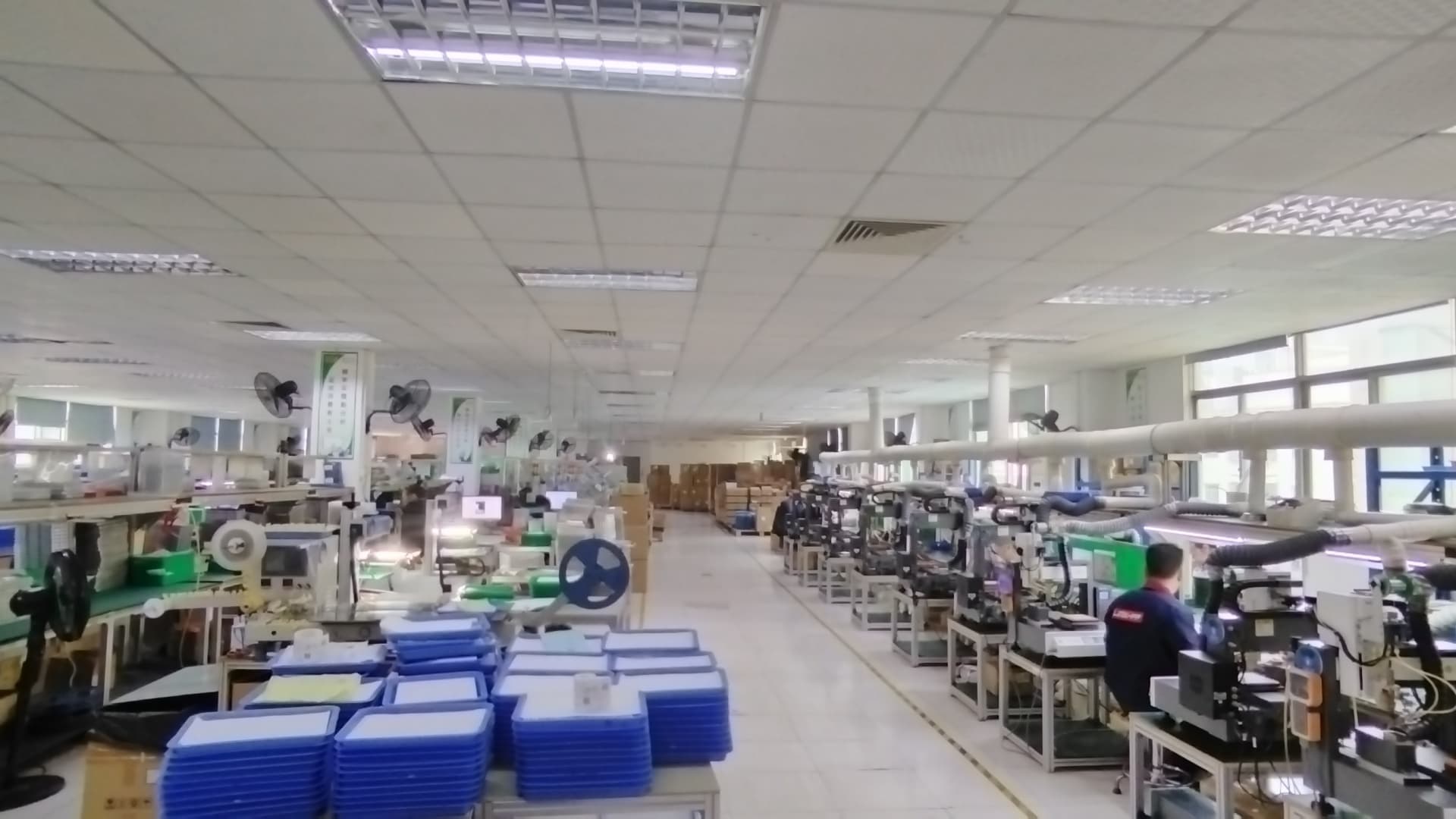
Located in Guangdong, China, Tensorium operates a modern manufacturing facility covering over 380㎡ and serves customers across North America, Europe, the Middle East, Southeast Asia, and other global markets. With years of experience in the AI computing industry, we have established a strong reputation for product quality, engineering expertise, and responsive customer service.
Our annual export revenue exceeds USD 18 million, supported by an extensive supply chain network of more than 1,200 trusted partners worldwide. We work closely with AI startups, cloud service providers, system integrators, research institutions, enterprise customers, and data center operators seeking high-performance computing solutions.
Innovation is at the core of our business. Our R&D team consists of over 120 experienced engineers dedicated to developing advanced GPU server architectures, AI cluster solutions, and customized computing systems. Last year alone, we successfully launched more than 80 new products and configurations tailored to emerging AI workloads and evolving customer requirements.
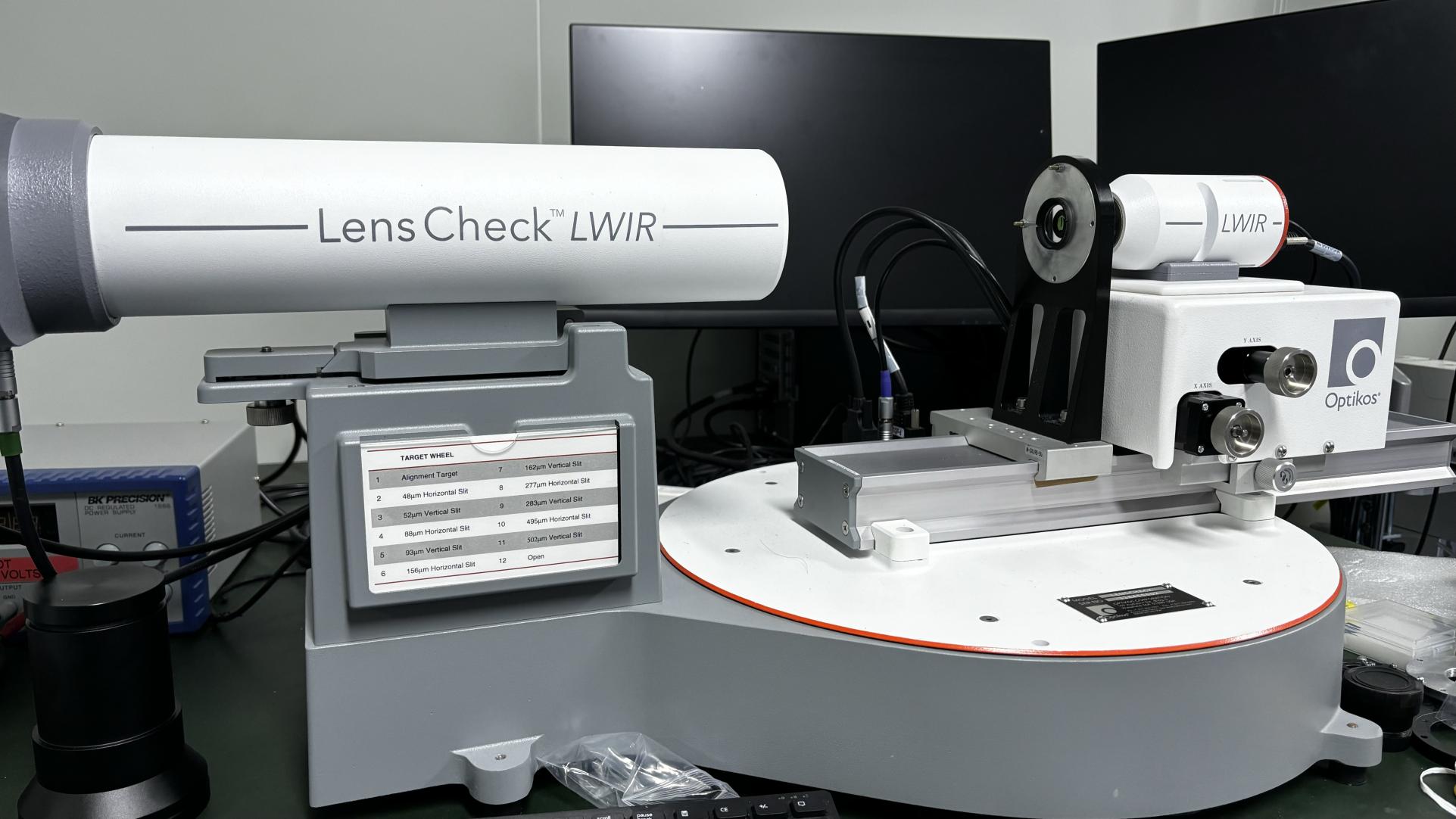
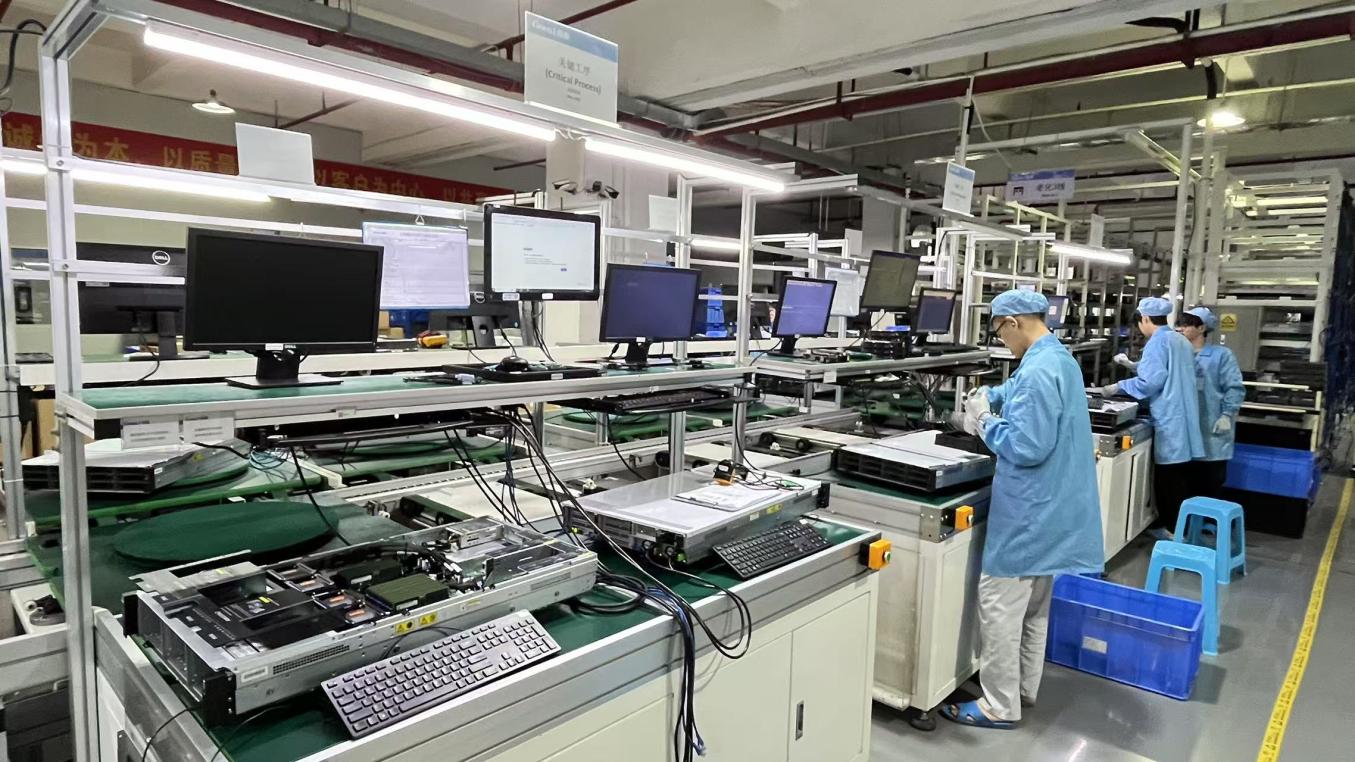
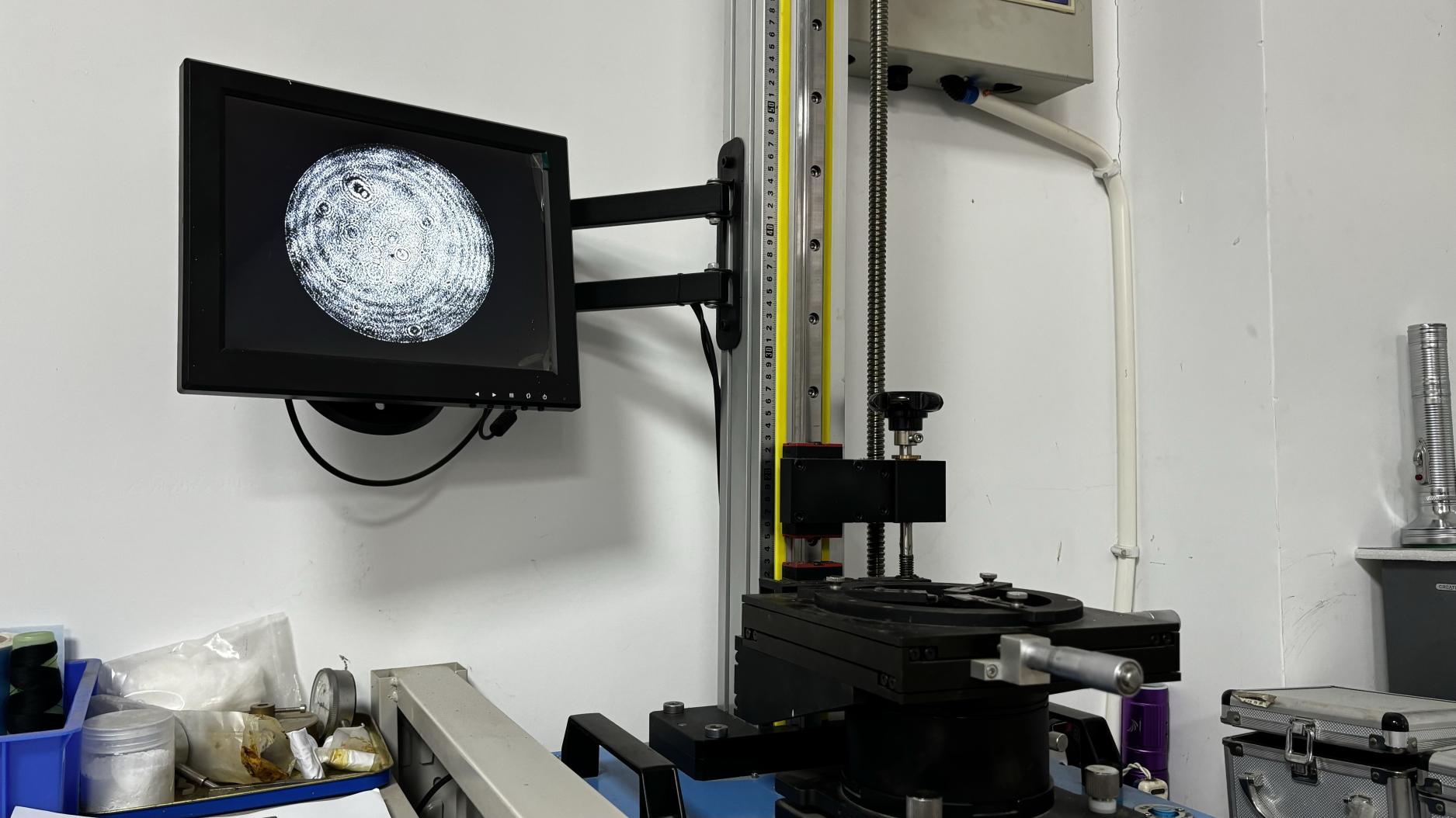
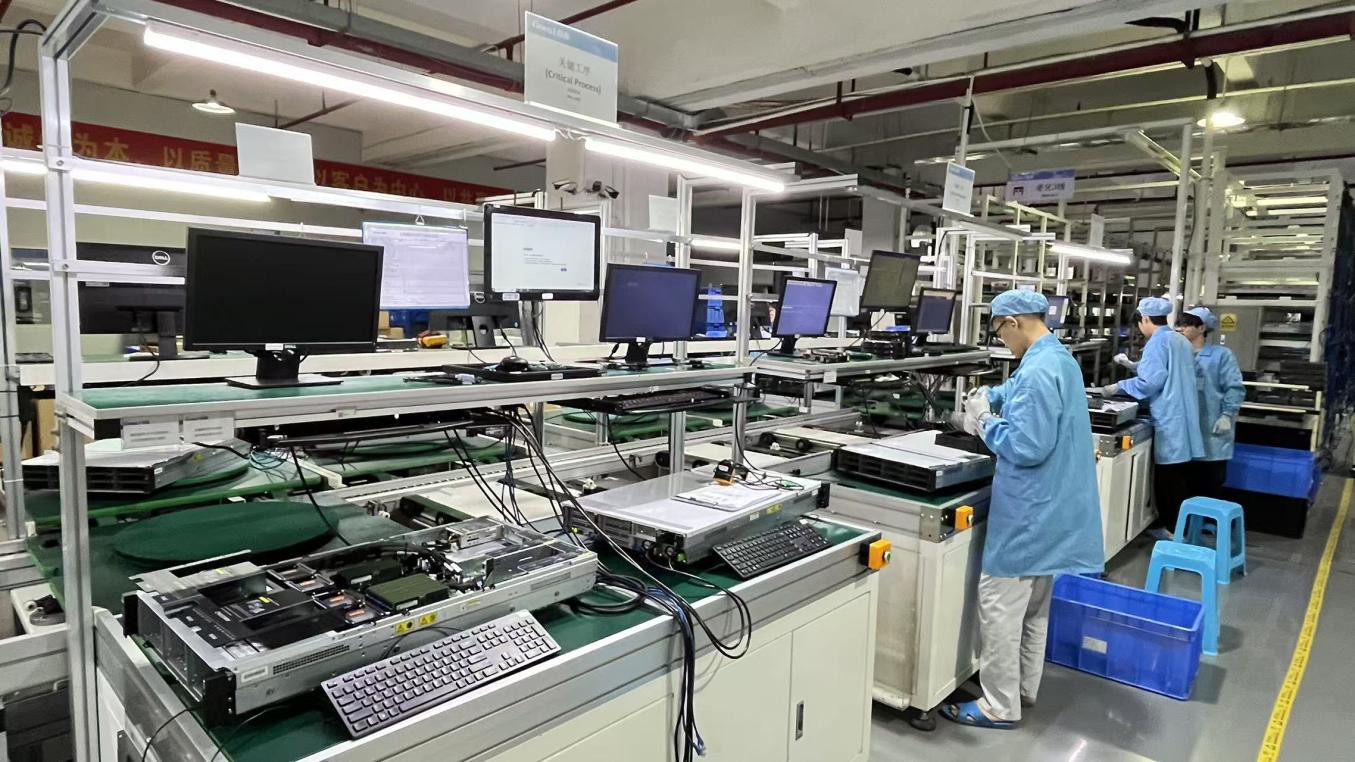
Quality is embedded throughout our manufacturing process. Tensorium maintains strict quality control standards with a dedicated team of 45 quality inspectors. Every product undergoes comprehensive inspections, including component verification, assembly inspection, system integration testing, burn-in testing, thermal performance validation, stability testing, and final quality assurance before shipment.
With strong OEM and ODM capabilities, we provide flexible customization options including GPU configuration, CPU platform selection, storage architecture, networking solutions, rack integration, branding services, and complete AI infrastructure deployment support. Our engineering team works closely with customers to deliver solutions optimized for their specific workloads and business objectives.
Procuring entities require customized configurations including QSFP28 (100G), QSFP-DD (400G), and OSFP (800G) form-factors. Our systems maximize rack density, supporting up to 32 x 800G ports or 64 x 400G ports in a 1U or 2U form factor, achieving unparalleled non-blocking switching throughput.
Global hyperscalers rely heavily on disaggregated networks. We provide open-box bare-metal switches pre-installed with ONIE (Open Network Install Environment), supporting customizable distributions of SONiC (Software for Open Networking in the Cloud) and custom Linux NOS interfaces.
To reduce operational cost (OPEX), our high-speed hardware is certified to meet 80 Plus Platinum/Titanium efficiency standards, complete with smart speed-controlled N+1 fan walls and dual hot-swappable AC/DC power supply configurations.
High-speed networking is the backbone of modern digitalization. By optimizing routing protocols, packet buffering, and silicon layer features, Tensorium builds end-to-end solutions customized for diverse industries:
Artificial Intelligence pipelines require zero-packet-loss, deterministic architectures. Incorporating RoCEv2 (RDMA over Converged Ethernet) alongside custom network designs allows direct GPU memory transfers across nodes without operating system involvement. This configuration features Priority Flow Control (PFC) and Explicit Congestion Notification (ECN) to guarantee sub-microsecond latency during extensive parameter training sessions.
For cloud providers hosting thousands of distinct workloads, virtualization support is paramount. Our hardware features line-rate performance for overlay networks using VXLAN, EVPN, and Geneve virtualization standards. The custom L3 ASIC switches enable massive routing tables (IPv4/IPv6 dual-stack) and policy-based traffic filtering directly at the edge, maintaining total isolation between tenants.
In the financial sector, microsecond delays lead to lost trade opportunities. Our ultra-low latency switches implement Cut-Through switching architecture. The incoming packets are forwarded before the complete frame is received, reducing transit latency to less than 350 nanoseconds per hop, coupled with hardware-based Layer 2 multicast processing.
Deployments in extreme industrial spaces demand rugged construction. Tensorium develops customized chassis supporting extended operating temperatures (-40°C to 75°C), industrial DIN-rail or rack installations, and IP40/IP67 ingress ratings. These options incorporate TSN (Time-Sensitive Networking) protocols to guarantee priority industrial control communications.
As standard transceiver technologies approach physical limitations, our hardware engineering team tracks and implements next-generation interconnect innovations to future-proof global networks:
The transition from 100G NRZ coding to 400G/800G PAM4 (Pulse Amplitude Modulation) signalling has doubled spectral density. Our latest switch deployments employ high-speed SerDes (Serializer/Deserializer) operating at 112Gbps per channel, allowing hardware channels to interface directly with QSFP-DD and OSFP dynamic optical interfaces.
Traditional copper PCB interconnects introduce significant signal degradation at higher speeds. Our R&D team is engineering 1.6T network switch architectures incorporating Co-Packaged Optics (CPO) and Linear Drive Pluggable Optics (LPO). By moving optical engines directly onto the processor substrate, we reduce switch power usage by up to 30% and eliminate signal distortion.
Future networks will require dynamic routing protocol shifts. Our hardware platform options support P4-programmable ASIC chips. This allows network engineers to configure packet handling processes in software without altering physical infrastructure, allowing real-time defense mechanisms and custom packet routing policies.
Operational reliability is the core indicator of trustworthiness. Our production and logistics pathways comply with rigorous standards to assure seamless deployment:
Every switch is subjected to exhaustive throughput verification testing using Spirent and IXIA traffic generation devices. We verify zero packet loss metrics under 100% capacity scenarios while simulating high-density client connection rates.
Our Quality Inspectors oversee high-temperature thermal cycling chambers. Equipment undergoes system stress testing up to 55°C for 72 continuous hours to verify ASIC thermal dissipation performance under full capacity.
Our network gear conforms to international regulatory structures: CE, FCC Class A/B, RoHS, WEEE, VCCI, and UL, providing hassle-free customs clearances and compliant operations across all target markets.