Tensorium
Explore our curated selection of high-availability, AI-optimized, and enterprise-grade hardware assets configured to withstand critical security threats while delivering unparalleled compute capabilities.
1. The Global Landscape of Server Security & Intelligent Computing
In an era dominated by hyper-scale data centers, distributed clouds, and large-scale artificial intelligence models (such as DeepSeek R1 and Llama architectures), server security has transcended traditional software firewalls. Today, commercial enterprise environments require holistic defense strategies that span from physical hardware chips to virtualization layers. Data breaches originating from system firmware, side-channel exploits, and unsecured boot protocols have forced modern enterprises to integrate hardware-level trust parameters directly into their procurement equations.
As global regulatory frameworks like GDPR (General Data Protection Regulation), NIST SP 800-193 (Platform Firmware Resiliency), and Europe's NIS2 directive tighten their security compliance metrics, server hardware exporters must act as the first line of defense. Hardware security is no longer an optional upgrade; it is a critical baseline. System integrators and enterprises must evaluate structural vulnerabilities, such as Baseboard Management Controller (BMC) exploits, memory tampering, and untrusted supply paths, before deploying systems into active operational matrices.
Confidential Computing
Protecting data-in-use within isolated hardware enclaves (Intel SGX/TDX, AMD SEV-SNP) ensures that sensitive AI weights and proprietary business calculations remain encrypted, even from system administrators.
Firmware Resiliency
Implementing active detection mechanisms that immediately revert altered or corrupt bios/BMC payloads to a factory-approved cryptographically signed state, ensuring runtime reliability.
Supply Chain Attestation
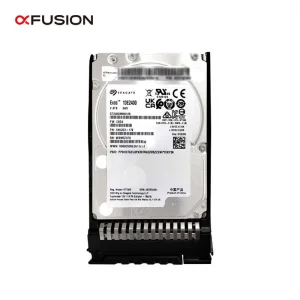
Providing end-to-end cryptographic lineage for every controller card, NVMe drive, and memory module, preventing malicious hardware insertions during transit or production stages.
2. Technical Breakdown: Trust Pipelines & System Hardening
To protect mission-critical workflows from advanced persistent threats (APTs), we implement security architecture standards that guarantee cryptographic verification across every key lifecycle transition. A secure server platform relies on several foundational steps:
- Silicon Root of Trust (RoT): A physical chip embedded directly on the motherboard (often within the BMC or security controller) that holds the primary verification keys. This chip is read-only at the factory stage, ensuring it cannot be altered by malicious software.
- TPM 2.0 & TCM integration: The Trusted Platform Module (or Trusted Cryptography Module in specific regions) provides hardware-secured generation of cryptographic keys, secure storage of credentials, and remote system attestation validation.
- Unified Extensible Firmware Interface (UEFI) Secure Boot: Handshake verification process where only signature-approved kernels, drivers, and option ROMs are loaded during startup sequence, eliminating rootkits.
- Active Baseband Management Controller (BMC) Hardening: Isolating management networks with strict firewalls, enforcing encrypted IPMI (Intelligent Platform Management Interface) over TLS protocols, and locking down JTAG debugging interfaces.
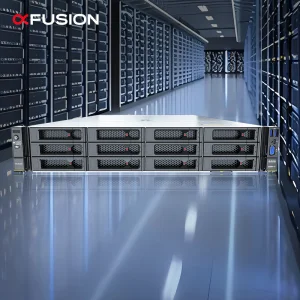
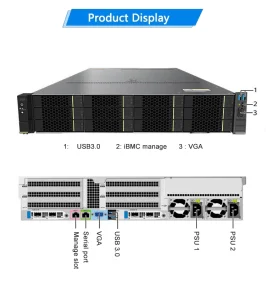
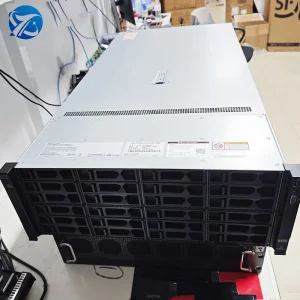
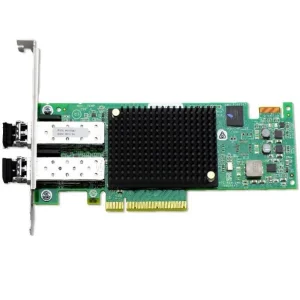
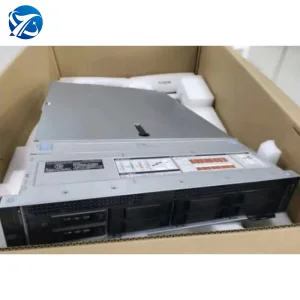
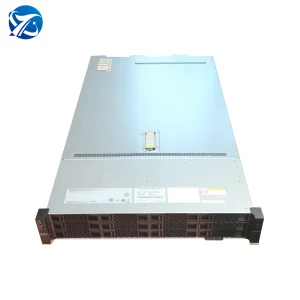
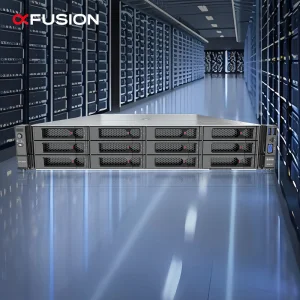
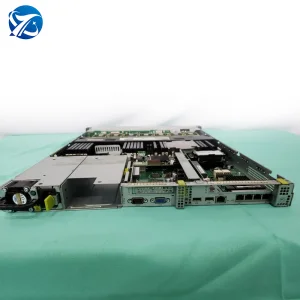
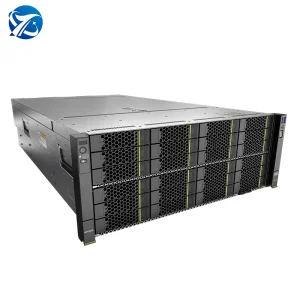
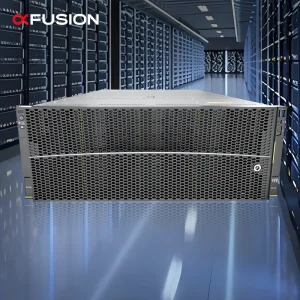
These technologies ensure that configurations such as the FusionServer 2288H V5 or the high-density xFusion FusionServer 2258 V7 remain impervious to firmware manipulation. By locking down peripheral cards (such as the XP270-M2 SAS3808 RAID card and Emulex LPe35002-M2 FC32 HBAs) through firmware-level signatures, we create a unified security perimeter that shields the CPU and memory spaces from external network threats.
3. Industrial Scale & Chinese Manufacturing Advantages
The manufacturing of advanced computer infrastructure requires high levels of precision, supply chain agility, and access to premium raw materials. Located in Guangdong, China's premiere high-tech production hub, Tensorium Intelligent Technology Co., Ltd. utilizes localized supply networks and engineering pools to design, assemble, and test next-generation server solutions.
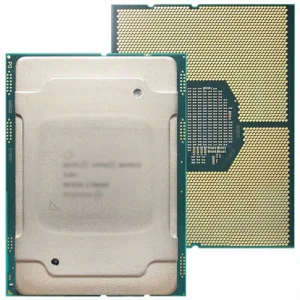
Our facility leverages vertical supply integration to ensure that components like enterprise processors (e.g., Cooper Lake Xeon Gold 5318H/6330H processors) and high-speed PCIe NVMe SSDs are sourced, tested, and validated under strict laboratory oversight. By utilizing Guangdong’s massive cluster of semiconductor packaging and printed circuit board (PCB) factories, we dramatically reduce time-to-market for tailored platforms, going from schematic design to hardware delivery in record turnaround times.
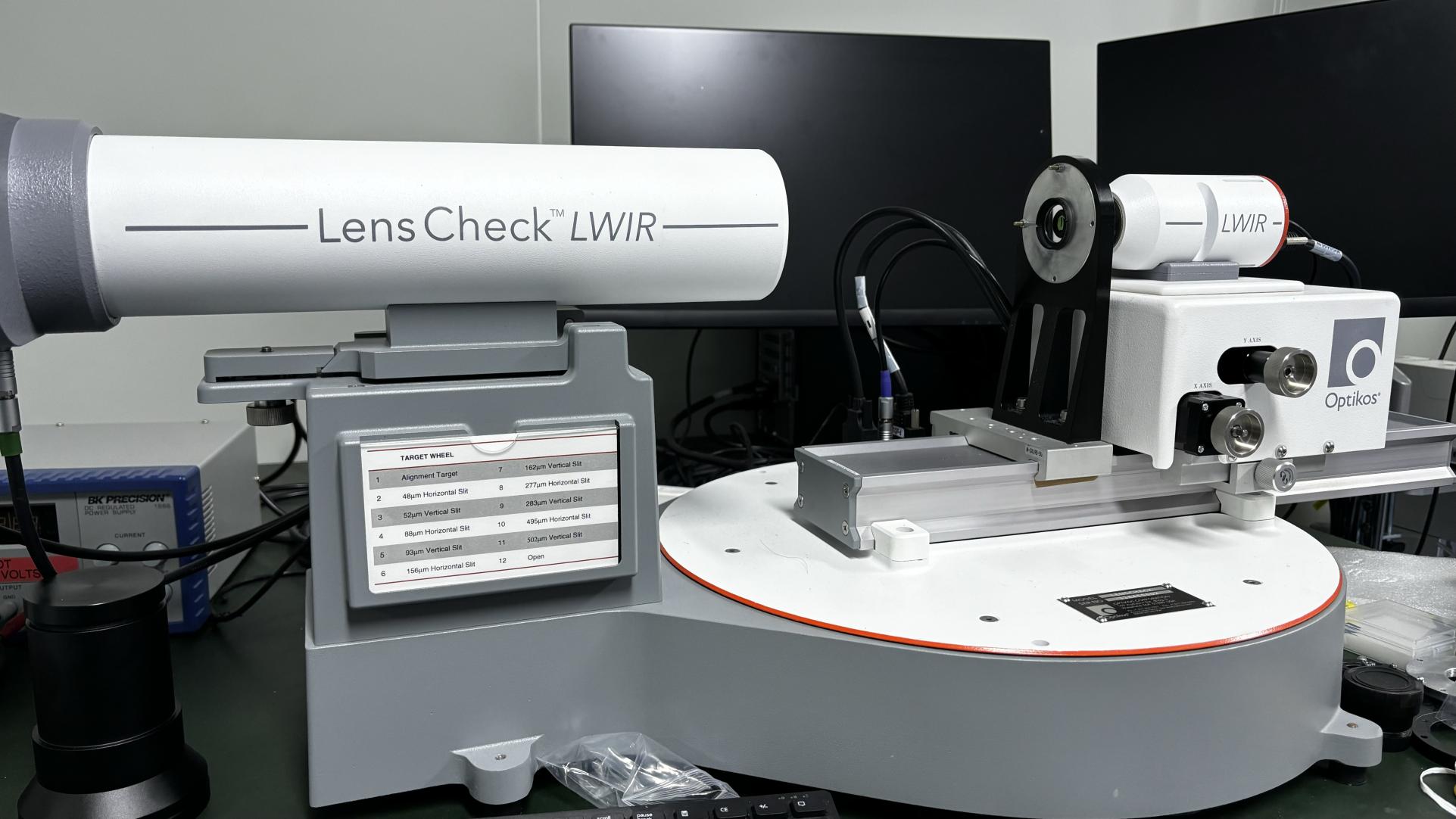
Our production model integrates automated testing systems that run continuous stress operations, thermographic monitoring, and hardware benchmarking tests. This level of quality verification reduces failure rates to negligible fractions, ensuring that when systems are integrated into enterprise datacenters globally, they operate continuously without hardware exceptions.
4. Tensorium Intelligent Technology Co., Ltd. — Company Profile
Founded in 2016, Tensorium Intelligent Technology Co., Ltd. is a professional manufacturer and global supplier of high-performance AI GPU servers, GPU clusters, and intelligent computing infrastructure solutions. We specialize in delivering reliable, scalable, and customized computing platforms for artificial intelligence training, inference, deep learning, HPC, and enterprise data center applications.
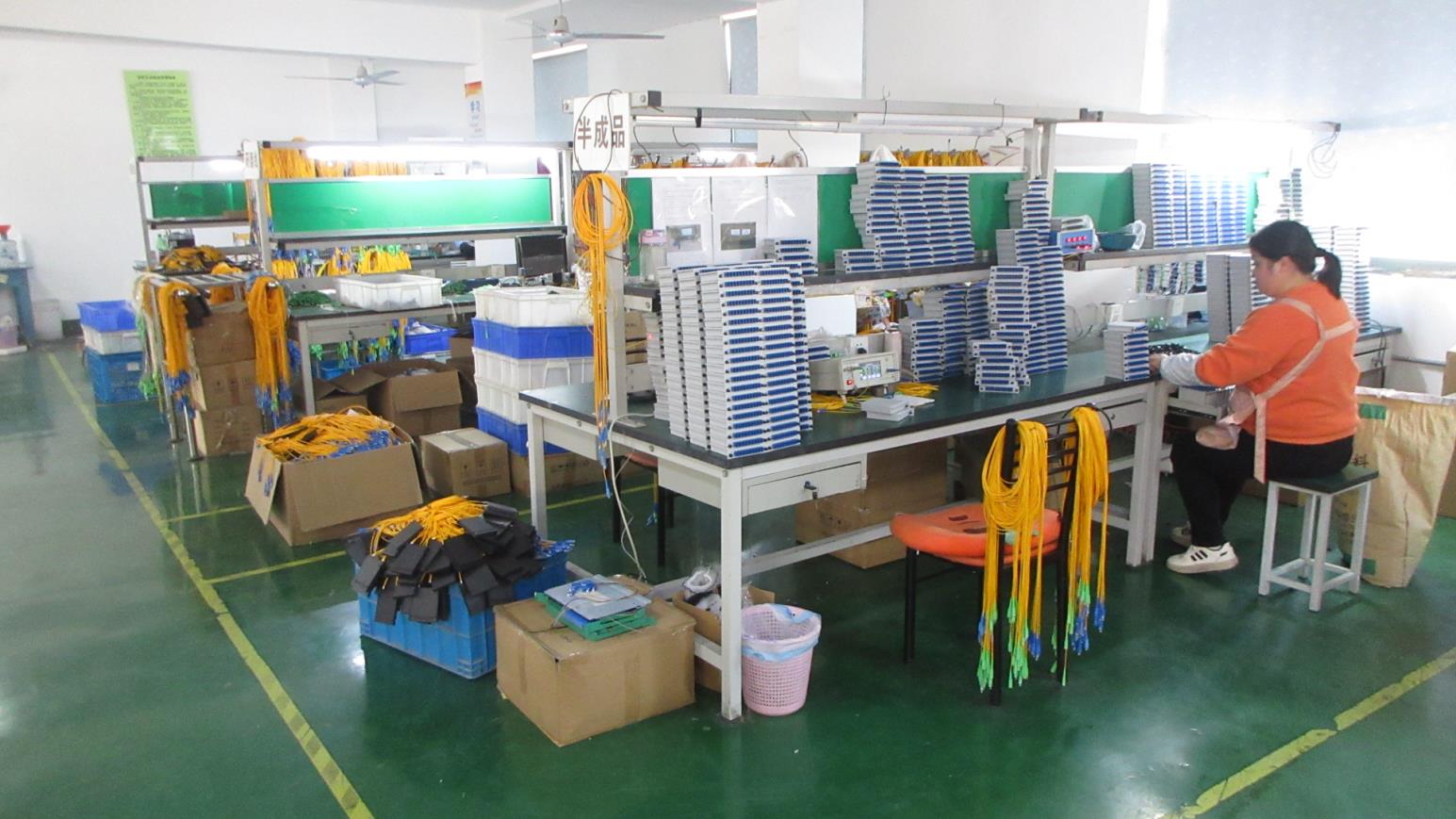
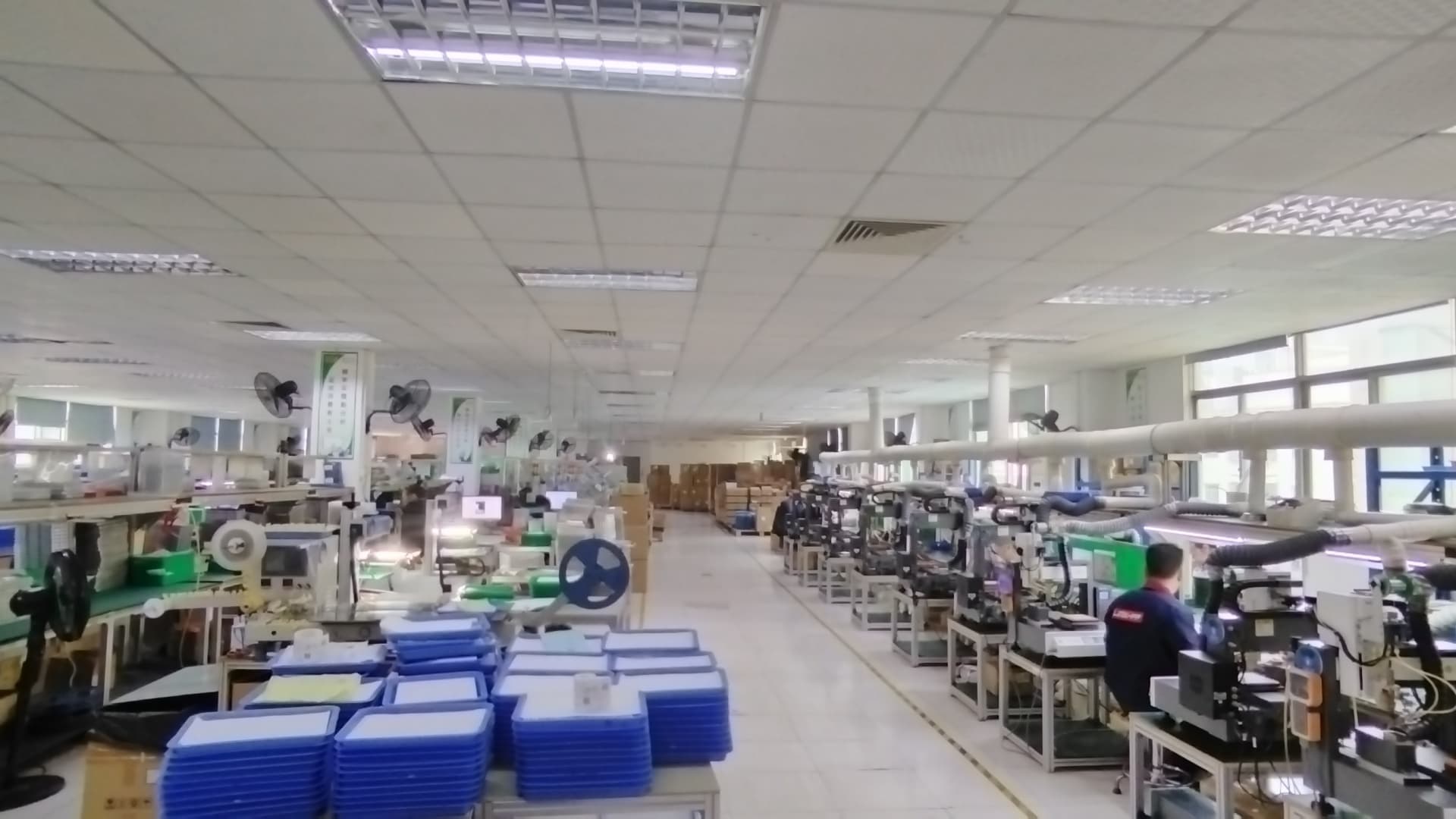
Located in Guangdong, China, Tensorium operates a modern manufacturing facility covering over 380㎡ and serves customers across North America, Europe, the Middle East, Southeast Asia, and other global markets. With years of experience in the AI computing industry, we have established a strong reputation for product quality, engineering expertise, and responsive customer service.
Our annual export revenue exceeds USD 18 million, supported by an extensive supply chain network of more than 1,200 trusted partners worldwide. We work closely with AI startups, cloud service providers, system integrators, research institutions, enterprise customers, and data center operators seeking high-performance computing solutions.
Innovation is at the core of our business. Our R&D team consists of over 120 experienced engineers dedicated to developing advanced GPU server architectures, AI cluster solutions, and customized computing systems. Last year alone, we successfully launched more than 80 new products and configurations tailored to emerging AI workloads and evolving customer requirements.
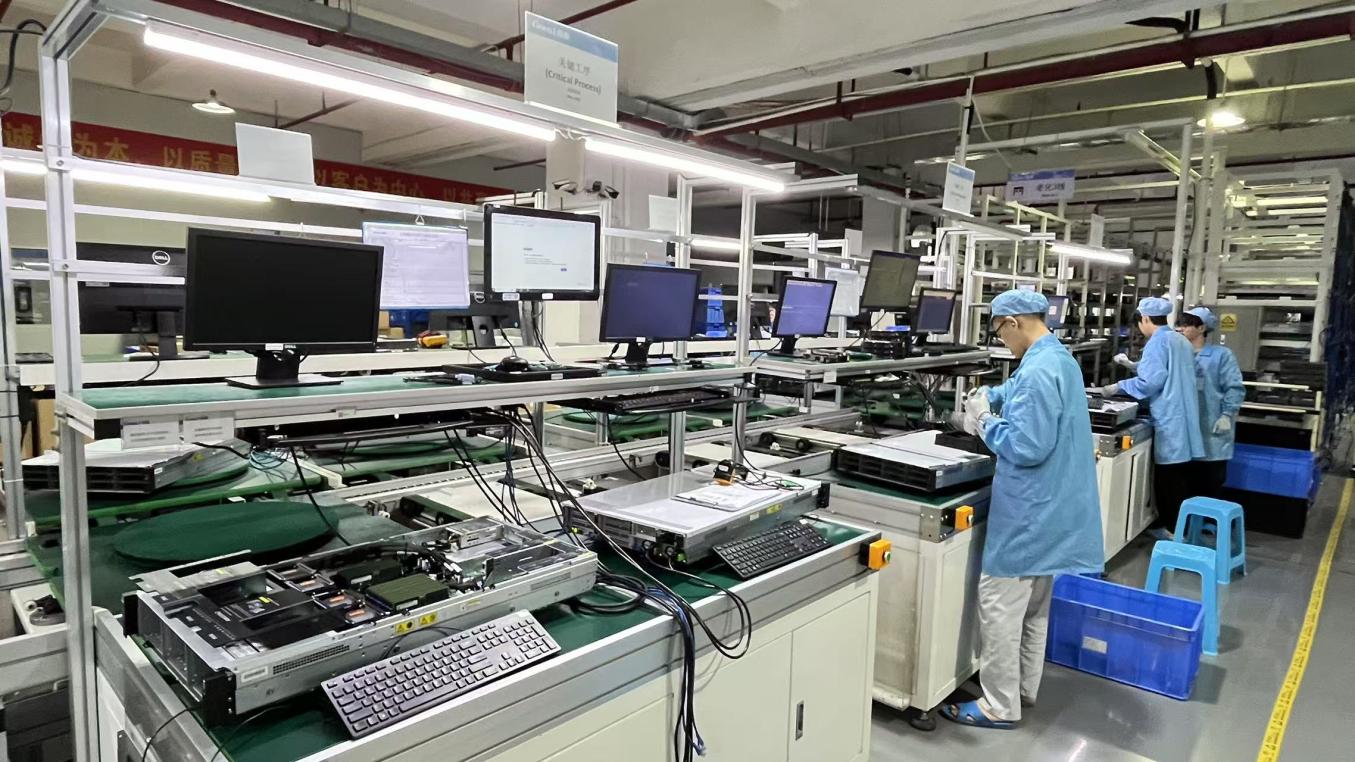
Quality is embedded throughout our manufacturing process. Tensorium maintains strict quality control standards with a dedicated team of 45 quality inspectors. Every product undergoes comprehensive inspections, including component verification, assembly inspection, system integration testing, burn-in testing, thermal performance validation, stability testing, and final quality assurance before shipment.
With strong OEM and ODM capabilities, we provide flexible customization options including GPU configuration, CPU platform selection, storage architecture, networking solutions, rack integration, branding services, and complete AI infrastructure deployment support. Our engineering team works closely with customers to deliver solutions optimized for their specific workloads and business objectives.
| Key Organizational Parameters & Corporate Facts | |
|---|---|
| Company Name | Tensorium Intelligent Technology Co., Ltd. |
| Established Year | 2016 |
| Manufacturing Facility Area | 380㎡ |
| Annual Export Revenue | USD 18 Million+ |
| Export Experience | 8 Years |
| Industry Experience | 14 Years |
| Quality Control Staff | 45 dedicated inspectors |
| R&D Engineers | 120+ specialized hardware & systems engineers |
| New Products Released (Last Year) | 80+ customized configurations and models |
| Supply Chain Partners | 1,200+ global network partners |
| Core Business Models | Manufacturer, OEM & ODM Service Provider |
| Key Markets Served | North America, Europe, Middle East, Southeast Asia |
| Inspection Procedures | Burn-in Testing, Performance Benchmarking, Thermal Testing, Functional Testing, Final Inspection |
| Customization Scope | Full OEM/ODM, Custom Hardware Layouts, Rack Integration, Custom Branding & firmware configuration |
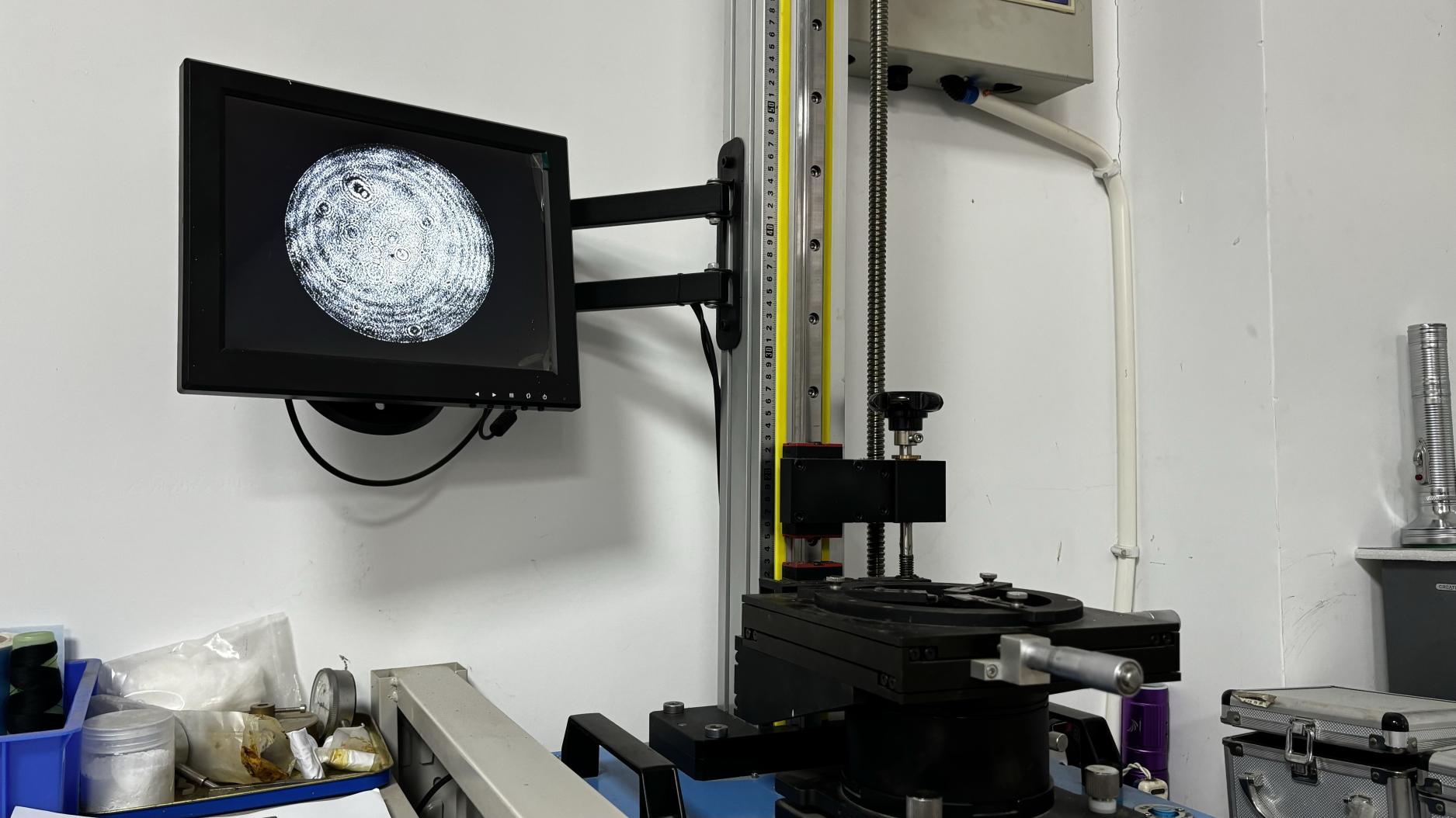
Facility & Integration Center Gallery

5. Deep-Dive Localization & Deployment Scenarios
Different server deployment environments exhibit unique vulnerabilities, physical limits, and operational considerations. We analyze and address the specific security configurations required for three primary scenarios:
🏢 AI Deep Learning Datacenters
Large GPU clusters training models like DeepSeek R1 process massive multi-terabyte datasets. The risk profile shifts toward data espionage during distribution across high-bandwidth infiniBand nodes. We integrate hardware enclaves and hardware secure-boot systems (such as the xFusion G8600 V7 8U GPU Rack Server) to isolate data partitions between tenants.
☁️ Enterprise & Private Clouds
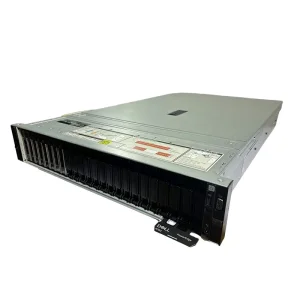
Multi-tenant host platforms (e.g., built on Dell PowerEdge R750/R760 systems) face VM escape attacks where malicious payloads attempt to jump logical boundaries. Enforcing Trusted Platform Modules (TPM) allows cloud operators to continuously attest the state of virtual machine monitors and hypervisors, shielding co-located applications.
📡 Industrial & Edge Computing Nodes
Edge servers (like the xFusion 2258 V7 series adapted to remote installations) are vulnerable to physical intrusion. We configure physical security countermeasures, including chassis intrusion alarms linked to system registers that immediately wipe cryptographic keys if the physical cabinet is breached.
6. Future Horizons: Server Security Trajectory (2025-2030)
The trajectory of secure server architectures will change rapidly over the next five years. High-performance processors, advanced interconnect systems, and complex AI topologies demand security designs that evolve to match these new computational realities:
- Post-Quantum Cryptography (PQC) Transition: With quantum computing platforms threatening standard RSA and ECC algorithms, system developers are shifting hardware signatures and encryption standards to post-quantum resistant schemes (like ML-DSA and Kyber) at the BMC and UEFI levels.
- Compute Express Link (CXL) Security: As memory pooling gains traction across server structures, securing data paths over high-speed CXL buses becomes critical. Encryption-on-the-fly mechanisms will protect shared memory systems from hardware snooping.
- AI-Driven Behavioral Threat Hunting inside BMCs: Integrated security microcontrollers will use localized, low-power machine learning models to analyze processor voltage levels and system behaviors, instantly flagging anomalies that suggest side-channel attacks or firmware exploitation.
Frequently Asked Questions: Server Security Solutions & Imports
Find precise technical details regarding secure procurement, compliance protocols, and manufacturing quality controls from China's leading server exporters.
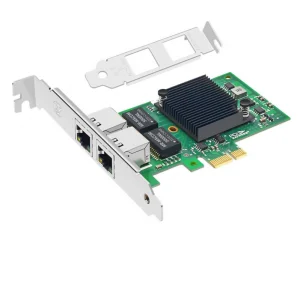
Acquire validated servers, high-performance network interface cards, and high-density storage drives to scale your intelligent infrastructure securely.