Tensorium
Tensorium
Tensorium
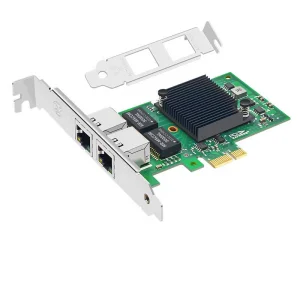
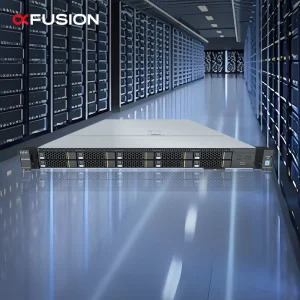
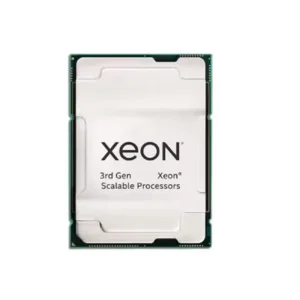
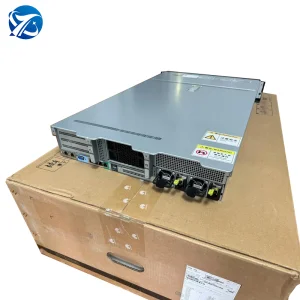
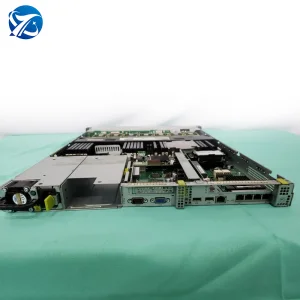
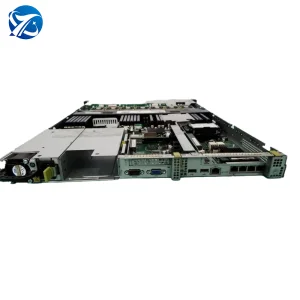
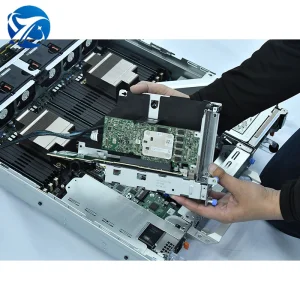
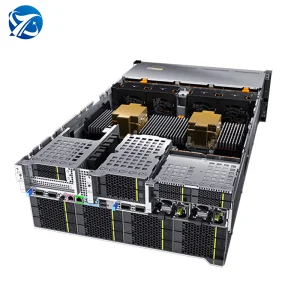
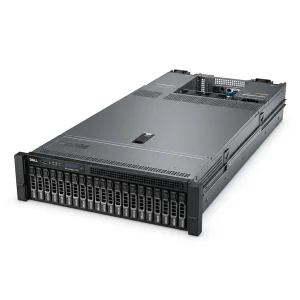
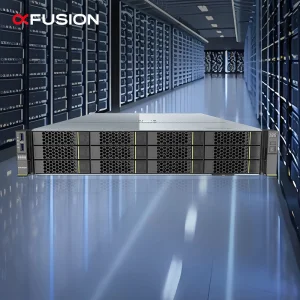
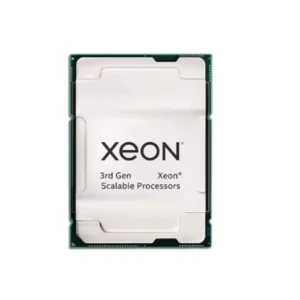
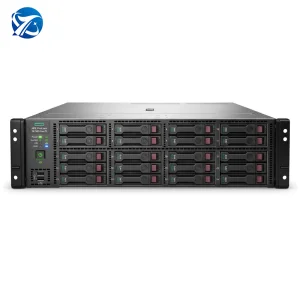
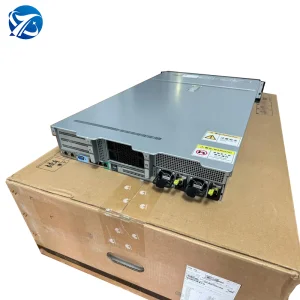
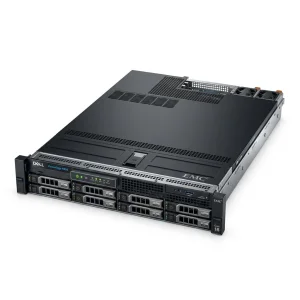
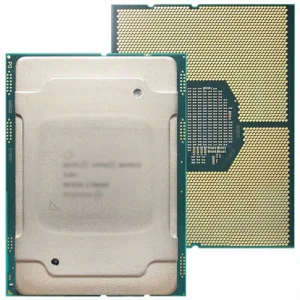
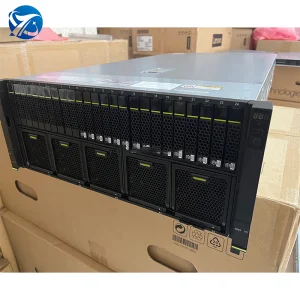
Deploy performance-certified server components, RAID controller configurations, high-density computing servers, and Intel Xeon scalable computing processors designed for complex AI clusters.
Analyzing the migration from DDR4 architecture to high-speed DDR5 modules, the evolution of Compute Express Link (CXL), and memory constraints in AI scaling paradigms.
The standard architecture of DDR5 memory introduces dual 32-bit subchannels, compared to the single 64-bit channel in DDR4. This modification optimizes memory access efficiency and slashes latency under concurrent computational loads. With on-die PMIC (Power Management IC) shifting voltage regulation from motherboard to module, signal integrity reaches unprecedented levels, enabling modules to support massive capacities scaling from 64GB RDIMMs up to 256GB and beyond.
In modern enterprise environments, memory pooling via CXL 2.0 and CXL 3.0 has emerged as the definitive standard for data centers aiming to eliminate wasted memory resources. By decoupling processing cores from dedicated physical RAM banks, CXL allows servers to access shareable memory fabrics dynamically, resolving the chronic capacity utilization issues that plague traditional multi-socket compute configurations.
Deploying advanced large language models (such as deep learning models and DeepSeek architectures) exposes a hardware bottleneck: GPU memory allocation capacity. Large clustering workloads necessitate high-throughput system RAM to handle cache management, model checkpointing, offloading pipelines, and active dataset manipulation. Investing in enterprise-grade RDIMM modules with robust error-correcting capabilities is now fundamental to computational scale.
While DDR5 natively offers "On-Die ECC" (designed to monitor and correct single-bit anomalies inside the DRAM IC itself), high-availability server infrastructures require additional "Sideband ECC" at the module level. This double-layer error protection guarantees operational reliability and protects high-throughput enterprise systems against multi-bit read/write transmission faults.
Empowering global data infrastructures with high-performance intelligent computing platforms, advanced OEM/ODM custom servers, and robust supply chain networks.
Founded in 2016, Tensorium Intelligent Technology Co., Ltd. is a professional manufacturer and global supplier of high-performance AI GPU servers, GPU clusters, and intelligent computing infrastructure solutions. We specialize in delivering reliable, scalable, and customized computing platforms for artificial intelligence training, inference, deep learning, HPC, and enterprise data center applications.
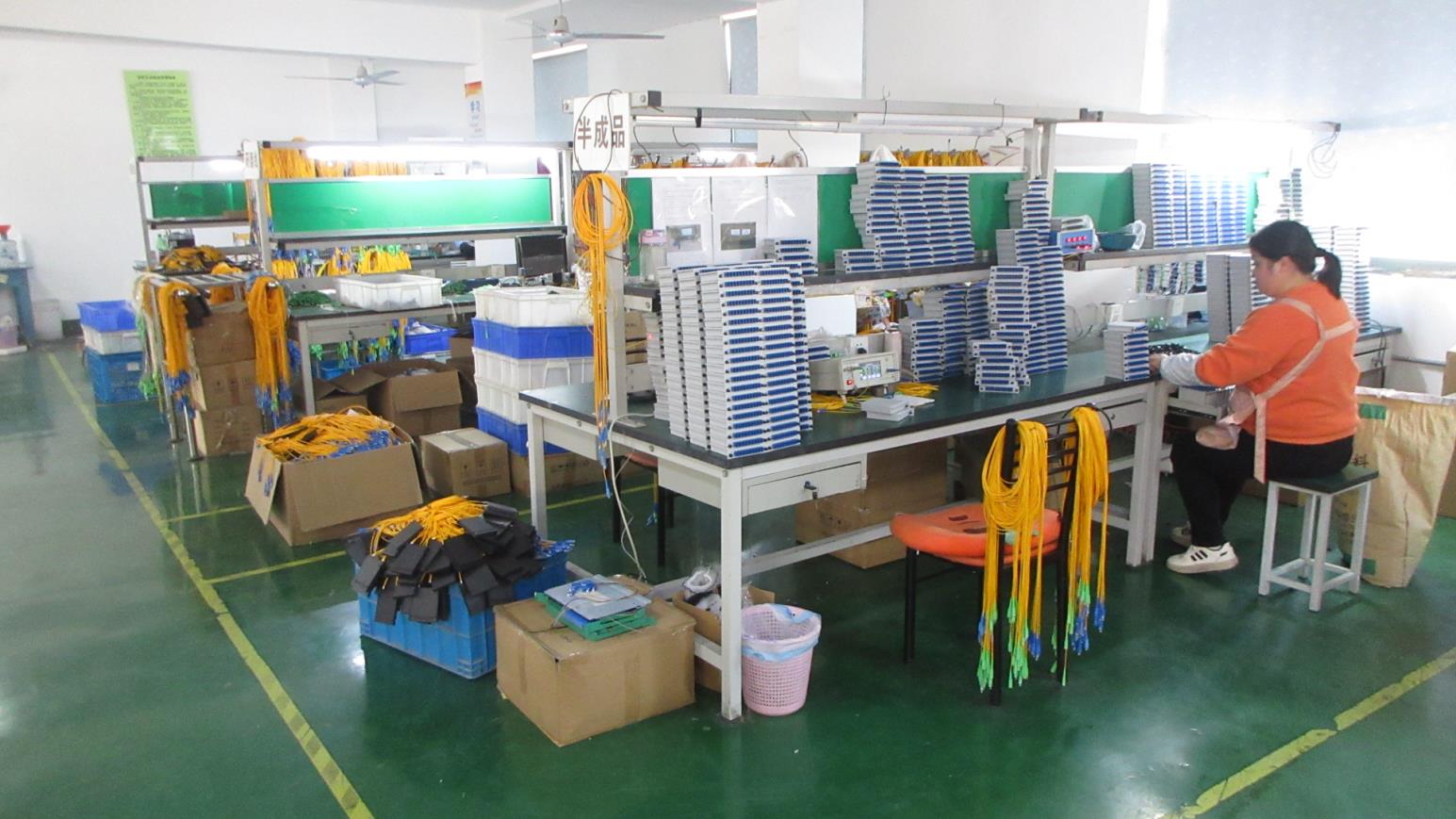
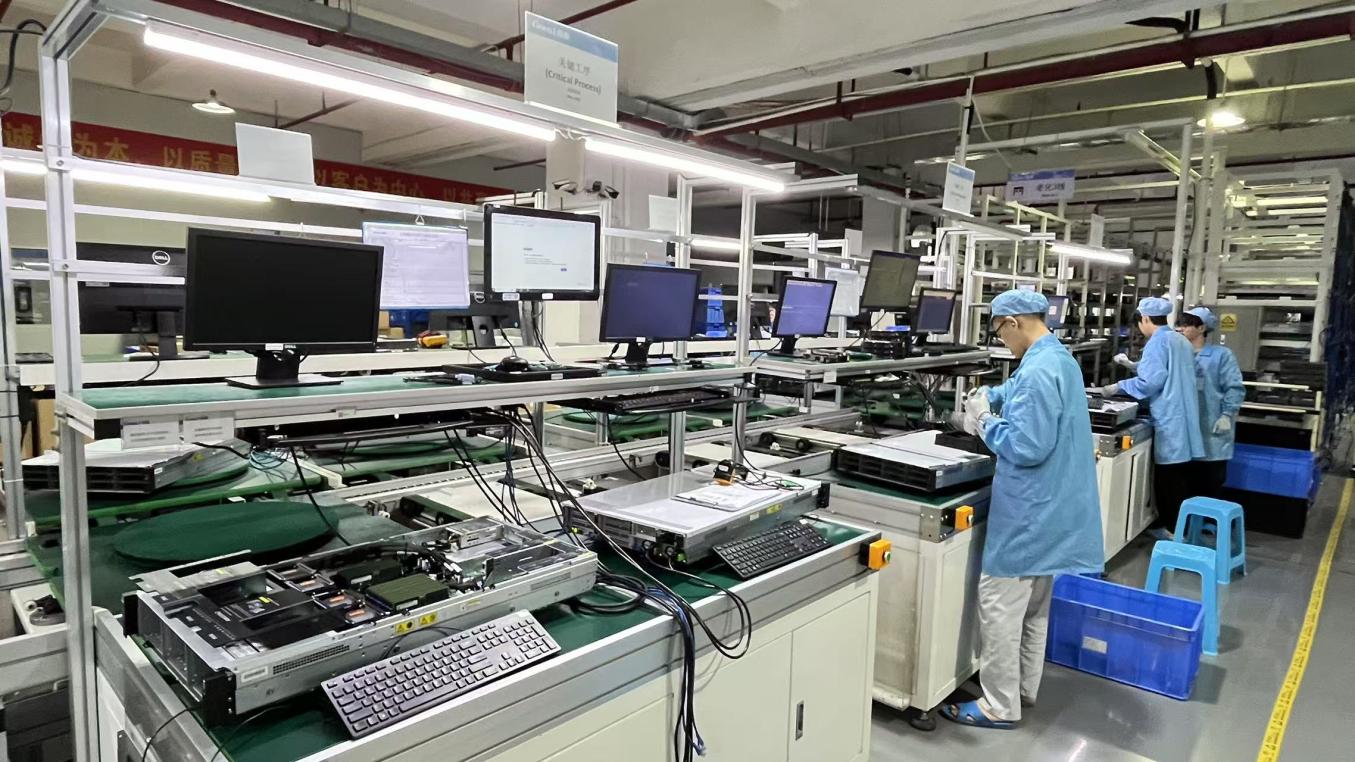
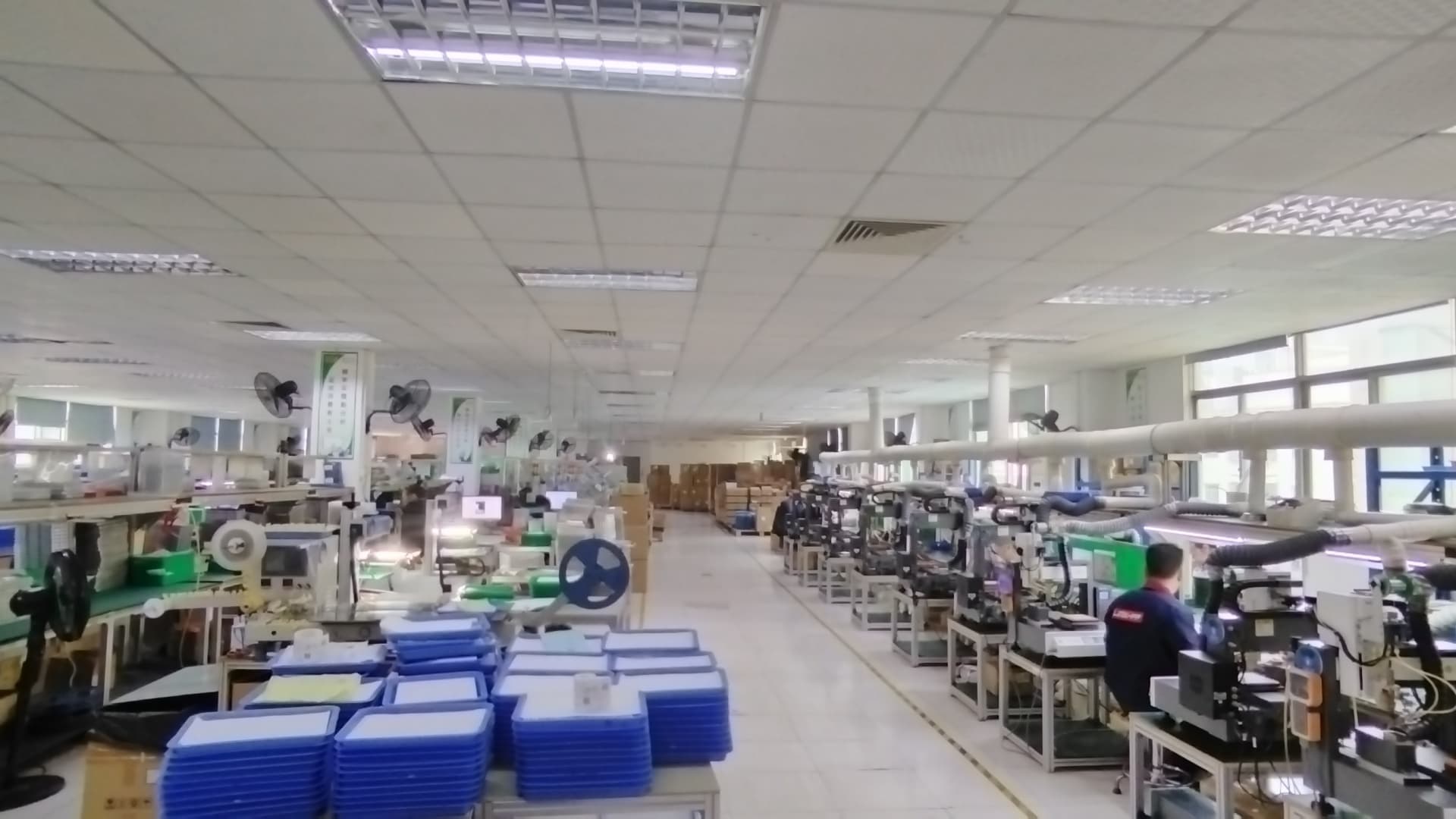
Located in Guangdong, China, Tensorium operates a modern manufacturing facility covering over 380㎡ and serves customers across North America, Europe, the Middle East, Southeast Asia, and other global markets. With years of experience in the AI computing industry, we have established a strong reputation for product quality, engineering expertise, and responsive customer service.
Our annual export revenue exceeds USD 18 million, supported by an extensive supply chain network of more than 1,200 trusted partners worldwide. We work closely with AI startups, cloud service providers, system integrators, research institutions, enterprise customers, and data center operators seeking high-performance computing solutions.
Innovation is at the core of our business. Our R&D team consists of over 120 experienced engineers dedicated to developing advanced GPU server architectures, AI cluster solutions, and customized computing systems. Last year alone, we successfully launched more than 80 new products and configurations tailored to emerging AI workloads and evolving customer requirements.
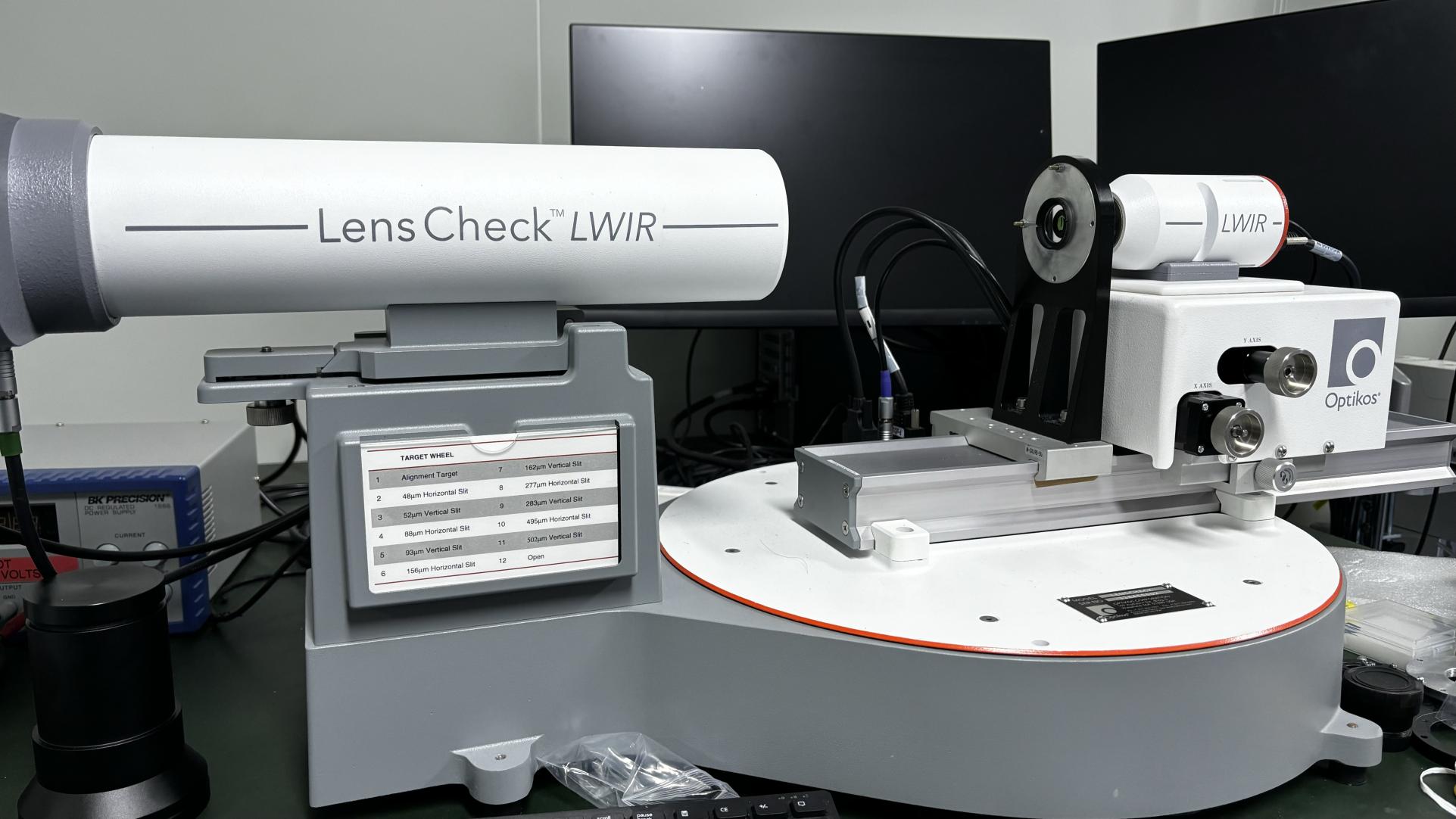
Quality is embedded throughout our manufacturing process. Tensorium maintains strict quality control standards with a dedicated team of 45 quality inspectors. Every product undergoes comprehensive inspections, including component verification, assembly inspection, system integration testing, burn-in testing, thermal performance validation, stability testing, and final quality assurance before shipment.
With strong OEM and ODM capabilities, we provide flexible customization options including GPU configuration, CPU platform selection, storage architecture, networking solutions, rack integration, branding services, and complete AI infrastructure deployment support. Our engineering team works closely with customers to deliver solutions optimized for their specific workloads and business objectives.
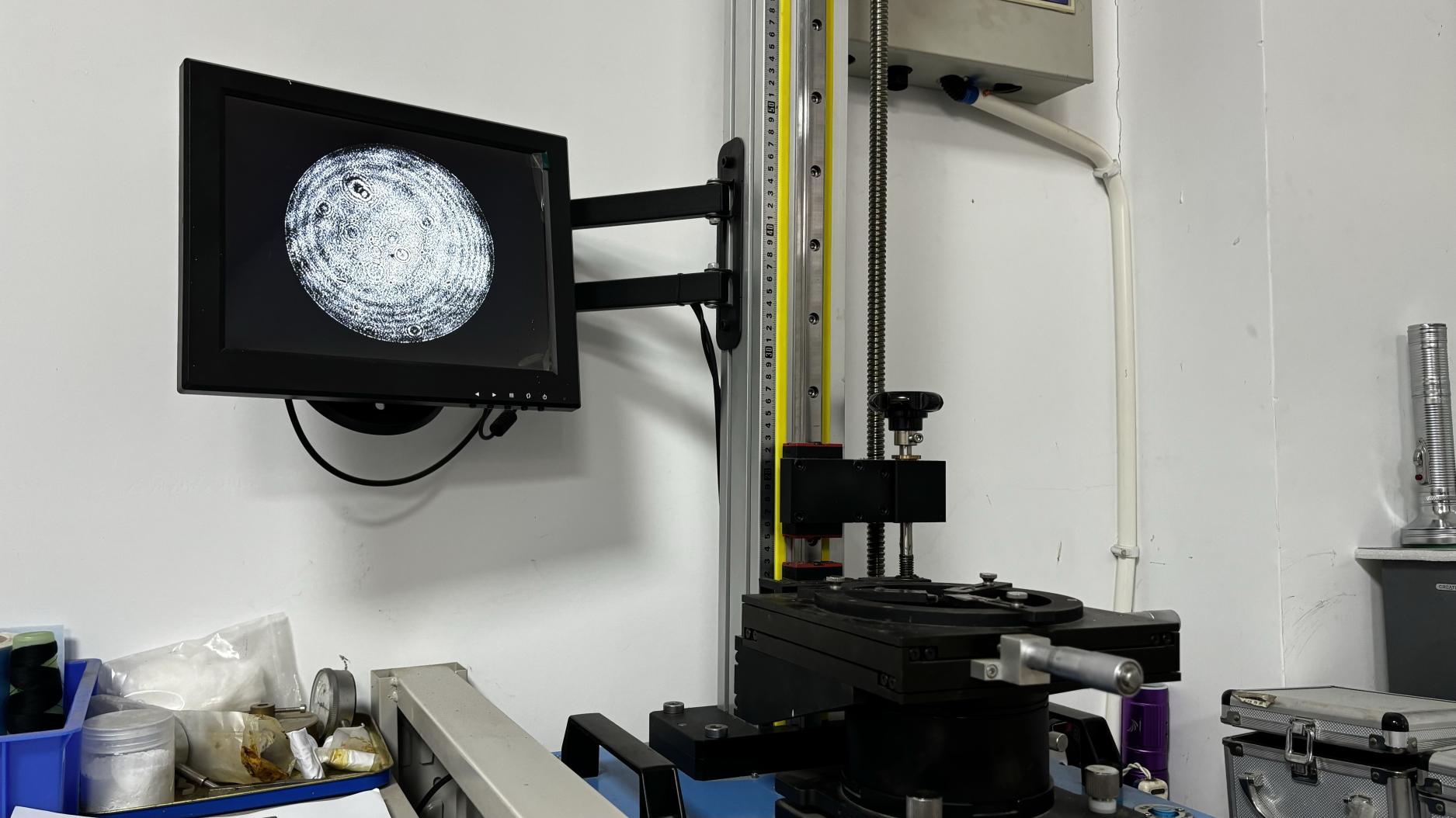
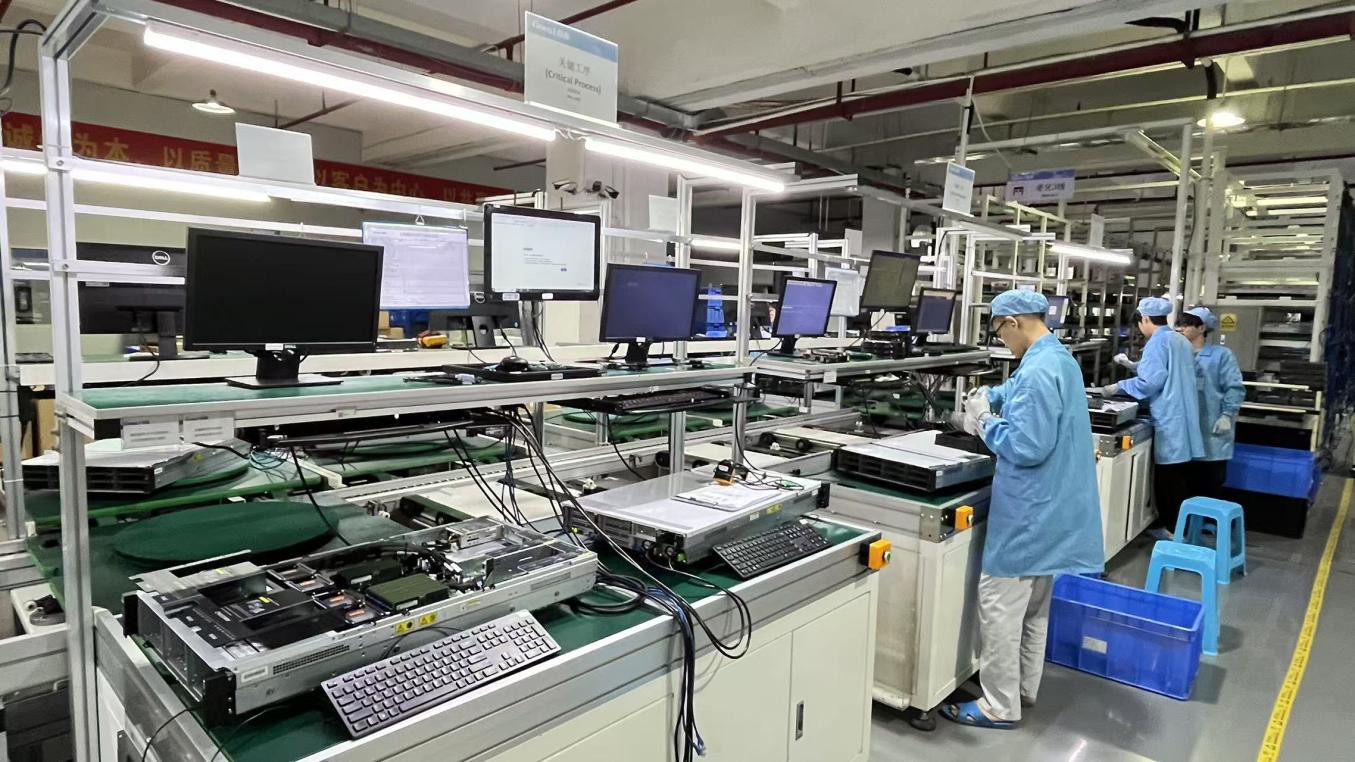
Strategic sourcing considerations for global enterprise data centers, system integrators, and large-scale cloud providers.
Relying on single-source components represents a structural vulnerability. Procurement pipelines require integration with high-volume APAC manufacturers capable of maintaining strict JEDEC component qualification benchmarks. Tensorium’s access to over 1,200 supply chain partners ensures continuity of DRAM IC supply, mitigating price volatility and delivery delays.
System memory consumes up to 30% of standard server energy budgets. Sourcing DDR5 modules operating at 1.1V compared to DDR4’s 1.2V yields considerable aggregate utility savings over multi-year deployment cycles, directly boosting margins for hyperscalers and co-location operators.
Custom setups demand validating memory signals across specific motherboard chipsets. We work in alignment with Intel Scalable (Xeon) and AMD EPYC platforms to verify memory trace design, reducing post-deployment kernel panics and hardware errors.
Custom engineering architectures designed for hyperscale deployment, low-latency trading, and robust multi-tenant cloud storage hubs.
For operations deploying hardware clusters focused on deep learning training, we design custom high-speed network topographies coupled with extreme capacity DDR5 RAM pools. Integrated with dual-socket processors and GPU accelerators, these systems sustain maximum operational up-time during dense tensor analysis.
Edge cloud clusters demand resilient physical architectures capable of operating reliably outside climate-controlled hubs. By utilising industrial-grade components and thermal configurations designed to perform in variable conditions, our nodes process time-sensitive data streams locally without risk of package degradation.
For financial applications, microsecond latency delays can result in significant financial losses. Tensorium designs ultra-low latency configurations, employing custom-screened memory components and specialized bios optimizations to ensure consistent, reliable execution.
Our structured engineering milestones for delivering cutting-edge, high-bandwidth compute solutions over the next three fiscal years.
Commercial rollouts of Multiplexed Rank Dual In-line Memory Modules (MRDIMM) engineered to scale native speeds to 8800 MT/s by routing dual-rank signals through a multiplexing buffer directly mounted on the module.
Sourcing CXL-connected PCIe expansion units to allow enterprise data center deployments to construct dynamic, shareable memory fabrics across disparate server nodes.
Initial research into next-generation DDR6 DRAM modules, targeting rates up to 17600 MT/s, alongside next-gen PMIC arrays containing automated thermal monitoring features.
Navigating complex international import policies, securing hardware integrity, and providing reliable round-the-clock technical assistance.
Every memory module assembled and supplied by Tensorium matches JEDEC Solid State Technology Association structural standards. We secure RoHS, CE, and FCC certifications, ensuring our systems comply with international environmental and electrical safety requirements.
In alignment with standard enterprise cybersecurity protocols, we implement rigid chain-of-custody procedures. Every batch of DRAM IC chips is tracked from the initial wafer fab to final packaging, preventing the introduction of counterfeit or non-compliant microelectronic parts.
We provide localized post-sale technical support, offering SLA-backed replacement parts and direct engineering troubleshooting to minimize diagnostic delays and maintain system operational readiness for enterprise teams.
Answers to common technical, logistics, and quality assurance questions regarding server memory modules.
Explore additional options for cloud infrastructure, virtualization servers, high-performance CPU processors, and storage-optimized systems.