Tensorium
Tensorium
Tensorium
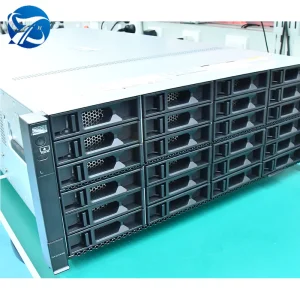
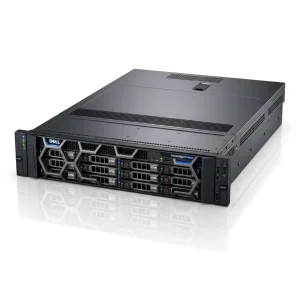
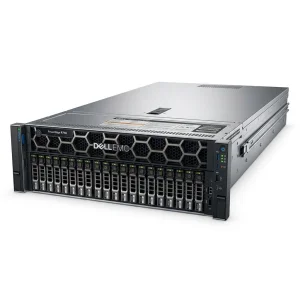
As artificial intelligence (AI), machine learning (ML), and large language models (LLM) like DeepSeek and GPT-4 continue to redefine the boundaries of data processing, the demand for high-density server architecture has surged exponentially. Leading Chinese manufacturers are at the forefront of this shift, providing the foundational hardware that powers global digital transformation. High-density servers are no longer just a luxury for hyper-scalers; they are a necessity for any enterprise looking to optimize Power Usage Effectiveness (PUE) and maximize computational output per square foot.
The global server market is shifting from general-purpose compute to specialized GPU-intensive nodes. China’s supply chain offers unparalleled speed-to-market for PCIe 5.0 and DDR5 integrated systems, ensuring that international buyers receive the latest hardware versions with minimum lead times.
Modern high-density servers utilize advanced thermal management, including liquid-to-chip cooling and immersion cooling readiness. This reduces energy overhead by up to 40% compared to traditional air-cooled 1U racks, aligning with global ESG initiatives.
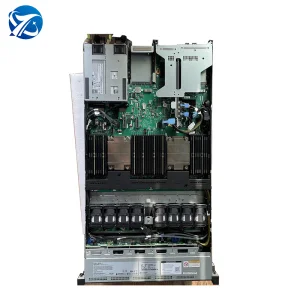
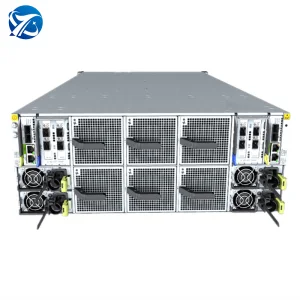
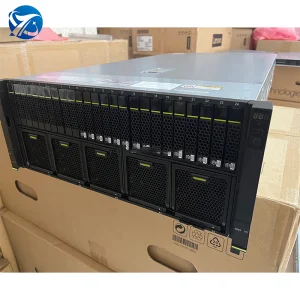
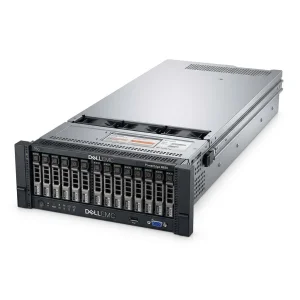
Integration with leading components from NVIDIA, Intel Xeon Scalable, and AMD EPYC platforms allows for a modular approach. Suppliers like Tensorium ensure that the chassis design maximizes airflow while supporting up to 8-10 double-width GPUs in a 4U form factor.
Choosing a high-density server manufacturer involves more than just comparing spec sheets. It requires a partner who understands the macro-industry ecosystem. At Tensorium, we provide end-to-end solutions that bridge the gap between raw compute power and real-world application.
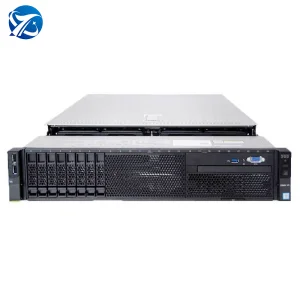
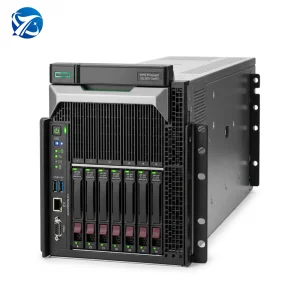
In the development of "Safe Cities" and "Smart Traffic Management," high-density edge servers process thousands of video feeds in real-time. Our solutions utilize 1U and 2U rack-mount systems optimized for low-latency inference at the edge, reducing the need for massive data backhaul to central clouds.
For the fintech sector, where every microsecond counts, our servers are engineered for maximum throughput. By utilizing NVMe storage arrays and 400G networking interfaces, we provide the bandwidth necessary for complex risk assessment and algorithmic trading models.
Modern medicine relies on processing petabytes of genomic data. Our GPU-accelerated servers significantly reduce the time required for sequence alignment and molecular modeling, enabling faster drug discovery and personalized treatment plans.
Building a cluster for LLM training requires perfect synchronization between nodes. We provide pre-configured racks with RDMA (Remote Direct Memory Access) over Converged Ethernet (RoCE), ensuring that GPU communication is the fastest in the industry.
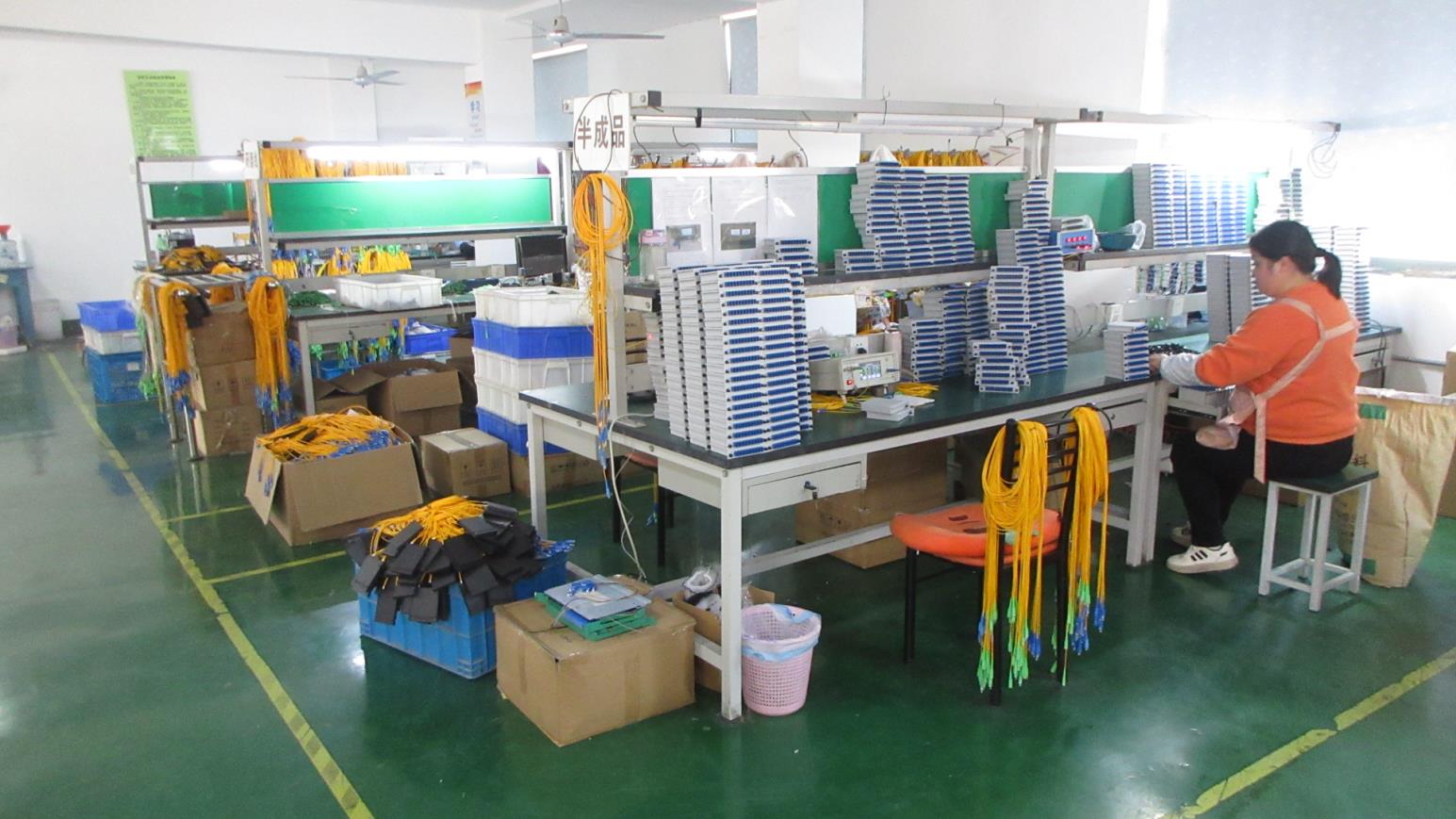
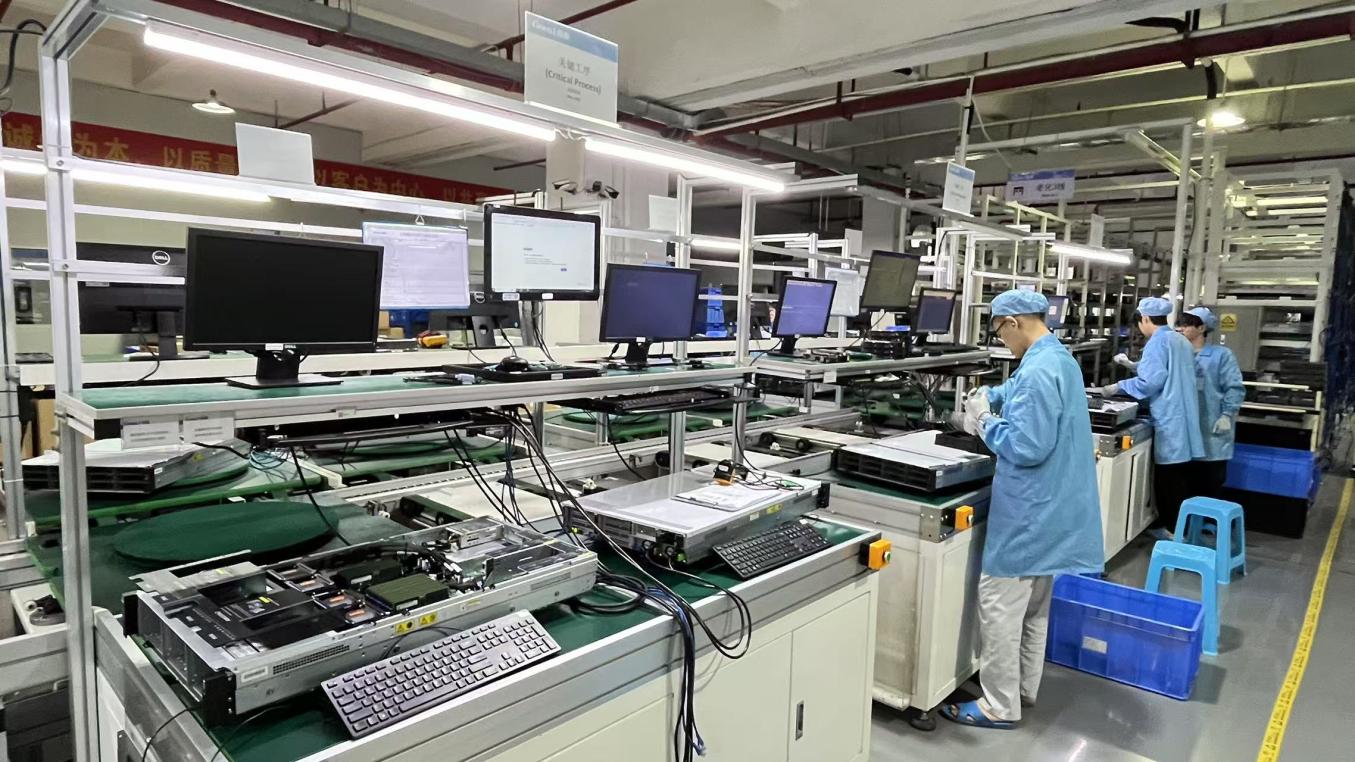
Founded in 2016, Tensorium Intelligent Technology Co., Ltd. is a professional manufacturer and global supplier of high-performance AI GPU servers, GPU clusters, and intelligent computing infrastructure solutions. We specialize in delivering reliable, scalable, and customized computing platforms for artificial intelligence training, inference, deep learning, HPC, and enterprise data center applications.
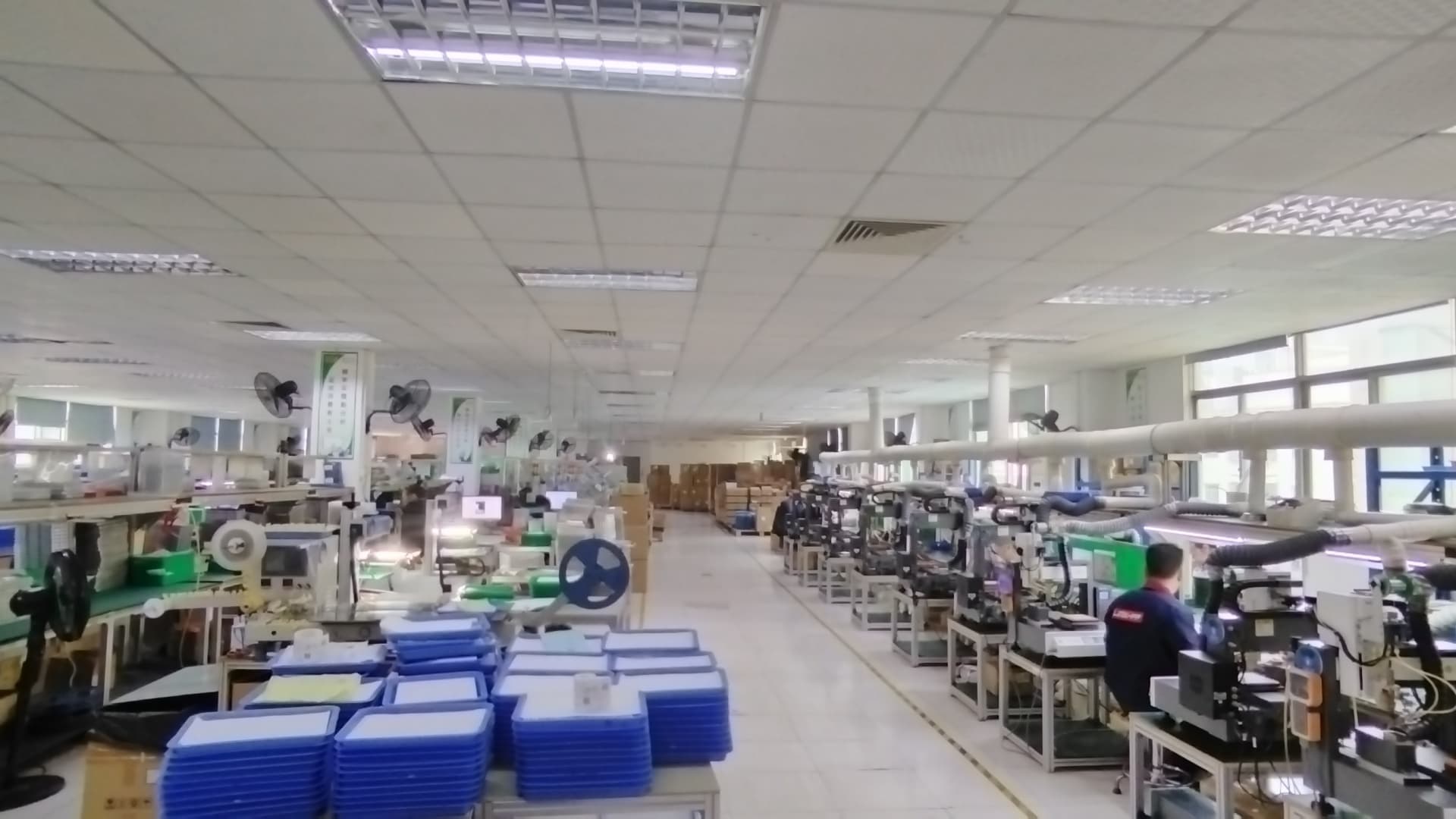
Located in Guangdong, China, Tensorium operates a modern manufacturing facility covering over 380㎡ and serves customers across North America, Europe, the Middle East, Southeast Asia, and other global markets. With years of experience in the AI computing industry, we have established a strong reputation for product quality, engineering expertise, and responsive customer service.
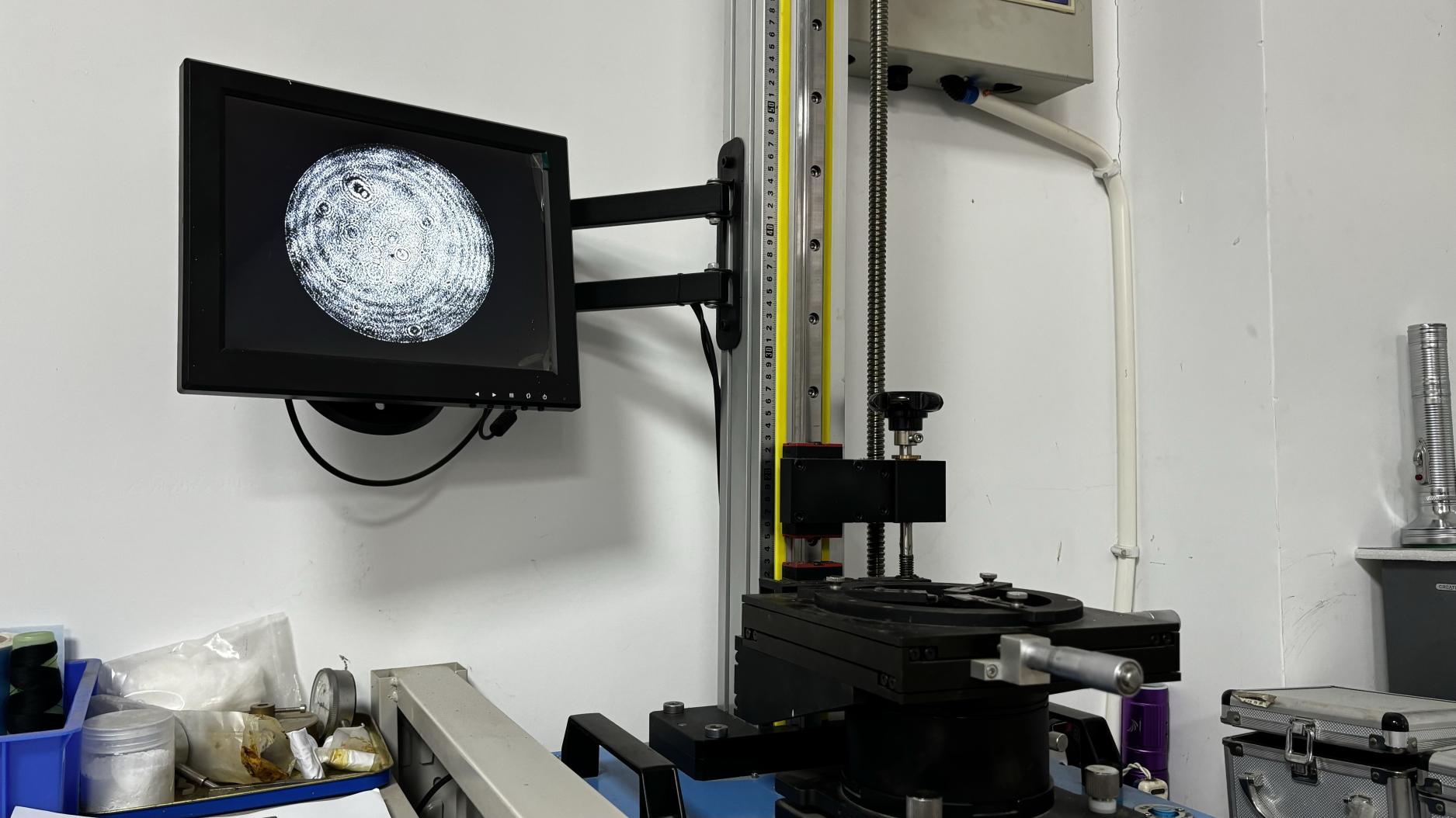
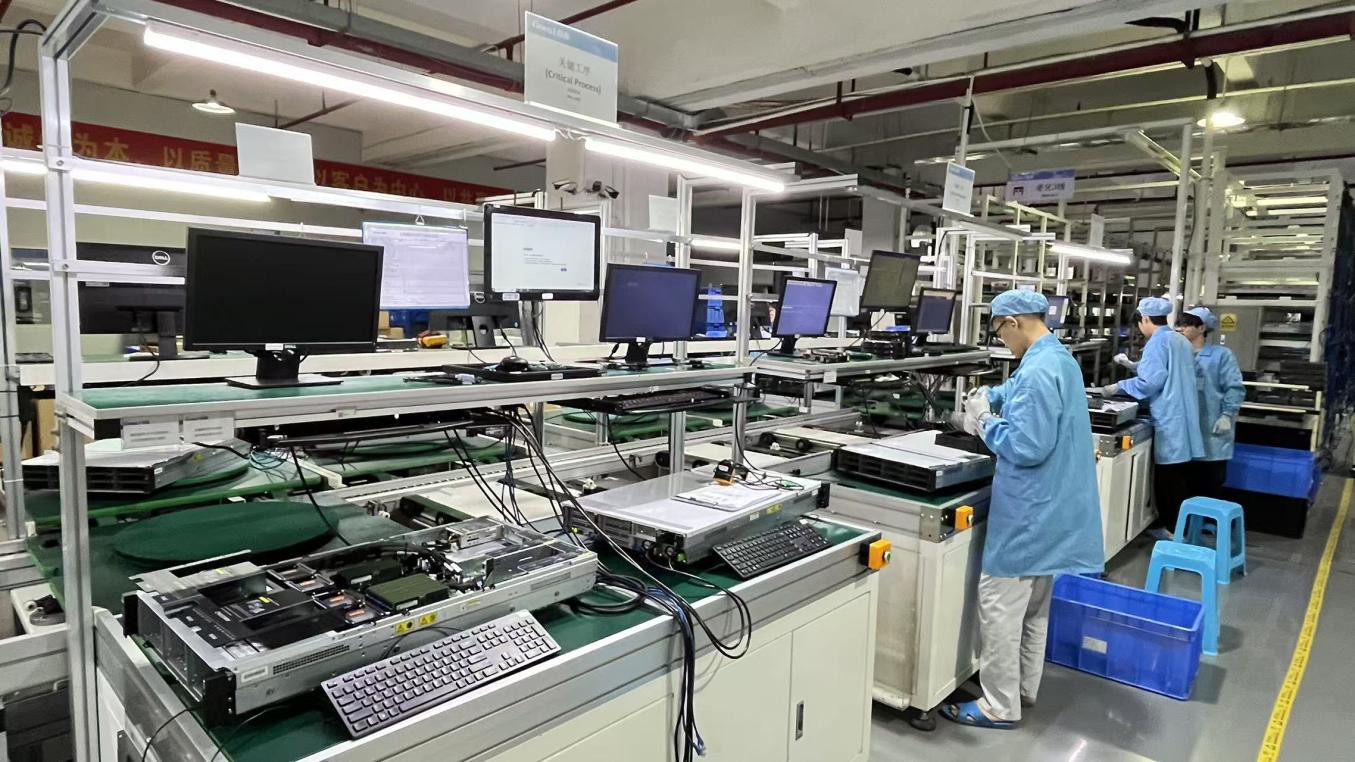
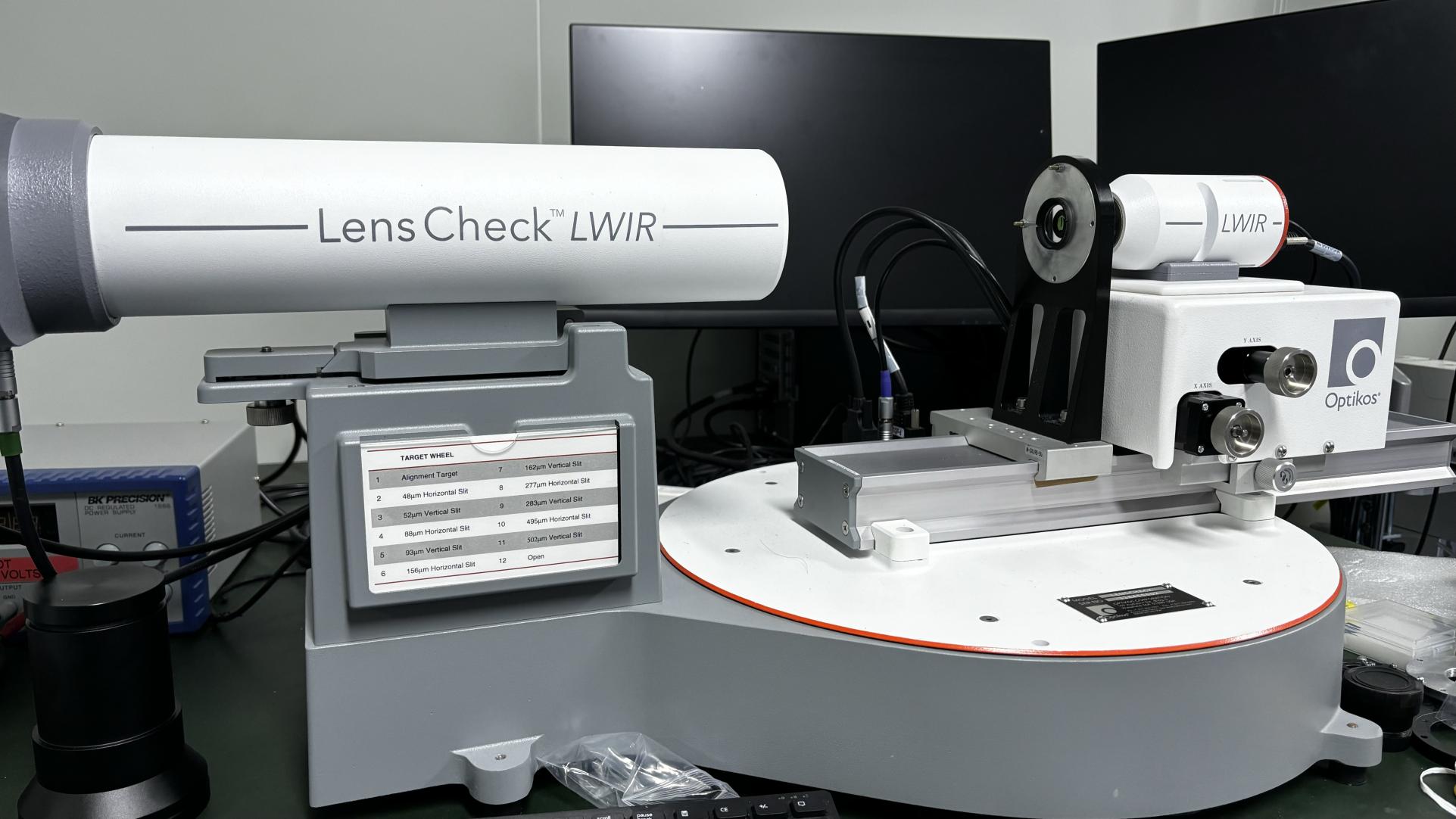
Maintaining a dedicated team of 45 quality inspectors, every unit undergoes burn-in testing, thermal performance validation, and full system integration testing before departure.
With 120+ R&D engineers, we launched 80+ new products last year, keeping pace with the rapid evolution of the AI hardware landscape.
Supporting OEM/ODM for 1,200+ partners, we handle complex international compliance (CE, FCC, RoHS) and localized support for various regions.
The roadmap for high-density computing is moving toward "Infinite Scalability." Here is how we are preparing for the next decade: