Tensorium
Tensorium
Tensorium
Explore our high-performance computational range, configured for real-time failover, microsecond storage replication, and heavy AI/Deep Learning model deployment.
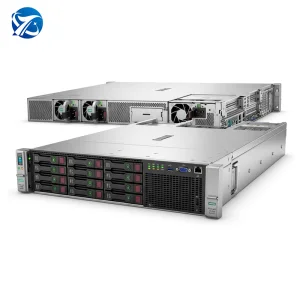
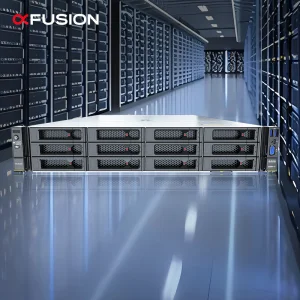
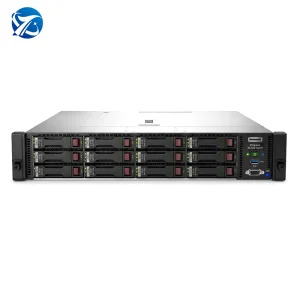
Under the modern paradigm of high availability, "uptime" is no longer calculated at the individual machine level. In the epoch of massive LLM pipelines (such as DeepSeek, GPT-style transformers, and real-time inference), service disruptions carry multi-million dollar penalties. Modern high availability (HA) solutions bridge the physical server architecture, dynamic hypervisors, automated failover controls, and redundant data paths into a single resilient computing layer.
Throughout industrial, financial, and scientific sectors, global infrastructure is experiencing structural transformation. Traditional N+1 server backup strategies are rendering obsolete in the face of continuous, real-time data flow requirements. Today's commercial computing architectures demand active-active clustering, distributed hot-standby nodes, and instantaneous storage failovers to ensure "five nines" (99.999%) reliability. As organizations scale up their machine learning operations, hardware failures in GPU clusters cannot be treated as outlier events; they are statistics that happen daily. Resilient system architectures must survive dynamic failures of RAM modules, storage units, power supplies, or direct network interface cards (NICs) without disrupting current model workloads.
In response to this global paradigm shift, hardware manufacturers in industrial centers like Guangdong, China, have optimized production systems. They construct rack servers that support dynamic PCIe lane switching, dual-redundant power supplies, highly flexible network interfaces, and sophisticated thermal dissipation channels. As a leading manufacturer, Tensorium Intelligent Technology Co., Ltd. sits at the heart of this supply chain, delivering critical processing frameworks designed to keep international enterprise computing continuous, fault-tolerant, and performant.
Achieving 99.999% uptime via advanced sub-millisecond hardware-level detection mechanisms, preventing transaction timeouts in financial and telecommunication systems.
Deploying customized PCIe switches and NVLink bridges that reroute data flow automatically when a single GPU node experiences hardware throttling or failure.
Leveraging NVMe-over-Fabrics (NVMe-oF) and enterprise SAS interfaces to establish continuous storage replication across localized network architectures.
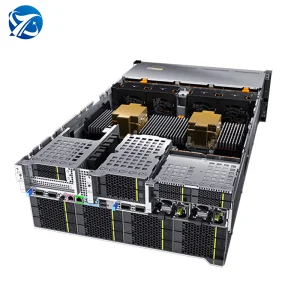
Engineering a high availability system demands strict synchronization between hardware architecture and logical orchestration software. In high-density rack computing, structural failures are mitigated by deploying modular components that allow hot-plug swapping under high load conditions. Key to this strategy is the inclusion of intelligent baseboard management controllers (BMCs), redundant cooling assemblies, and dual hot-swappable power supply units (PSUs). Our technical route is structured to handle massive workloads securely while providing path redundancy across all interfaces.
Employing high-bandwidth PCIe Gen 5.0 and Gen 6.0 routing layouts. Implementing multi-socket architectures that support instant failover between processors without data corruption.
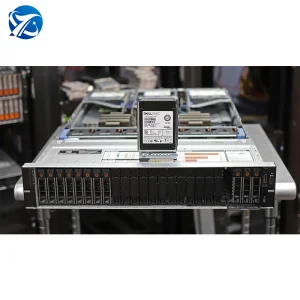
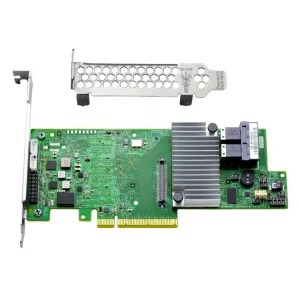
Integrating PCIe NVMe SSDs (like PM9A3 series) and 12Gb/s SAS controllers. Configuring array systems with hardware RAID cards and large caches to maintain transaction consistency.
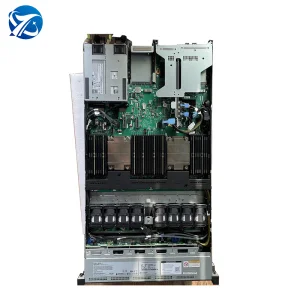
Leveraging advanced liquid-cooling manifolds alongside intelligent speed-controlled dynamic fan walls to prevent thermal throttling, a primary cause of hardware errors.
Using dual 10Gbps/100Gbps network interfaces configured with Link Aggregation Control Protocol (LACP) and hardware-level DPU offloading to ensure seamless path failovers.
Founded in 2016, Tensorium Intelligent Technology Co., Ltd. is a professional manufacturer and global supplier of high-performance AI GPU servers, GPU clusters, and intelligent computing infrastructure solutions. We specialize in delivering reliable, scalable, and customized computing platforms for artificial intelligence training, inference, deep learning, HPC, and enterprise data center applications.
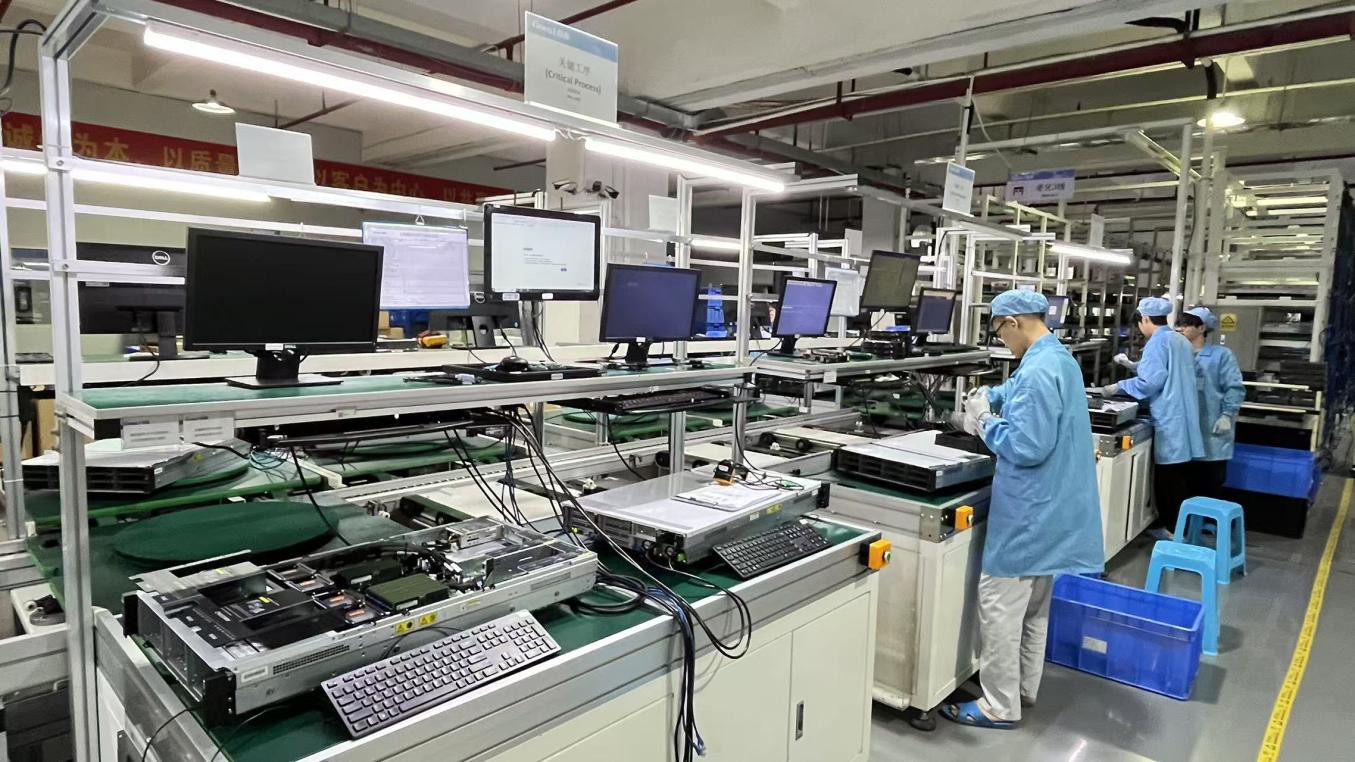
Located in Guangdong, China, Tensorium operates a modern manufacturing facility covering over 380㎡ and serves customers across North America, Europe, the Middle East, Southeast Asia, and other global markets. With years of experience in the AI computing industry, we have established a strong reputation for product quality, engineering expertise, and responsive customer service.
Our annual export revenue exceeds USD 18 million, supported by an extensive supply chain network of more than 1,200 trusted partners worldwide. We work closely with AI startups, cloud service providers, system integrators, research institutions, enterprise customers, and data center operators seeking high-performance computing solutions.
Innovation is at the core of our business. Our R&D team consists of over 120 experienced engineers dedicated to developing advanced GPU server architectures, AI cluster solutions, and customized computing systems. Last year alone, we successfully launched more than 80 new products and configurations tailored to emerging AI workloads and evolving customer requirements.
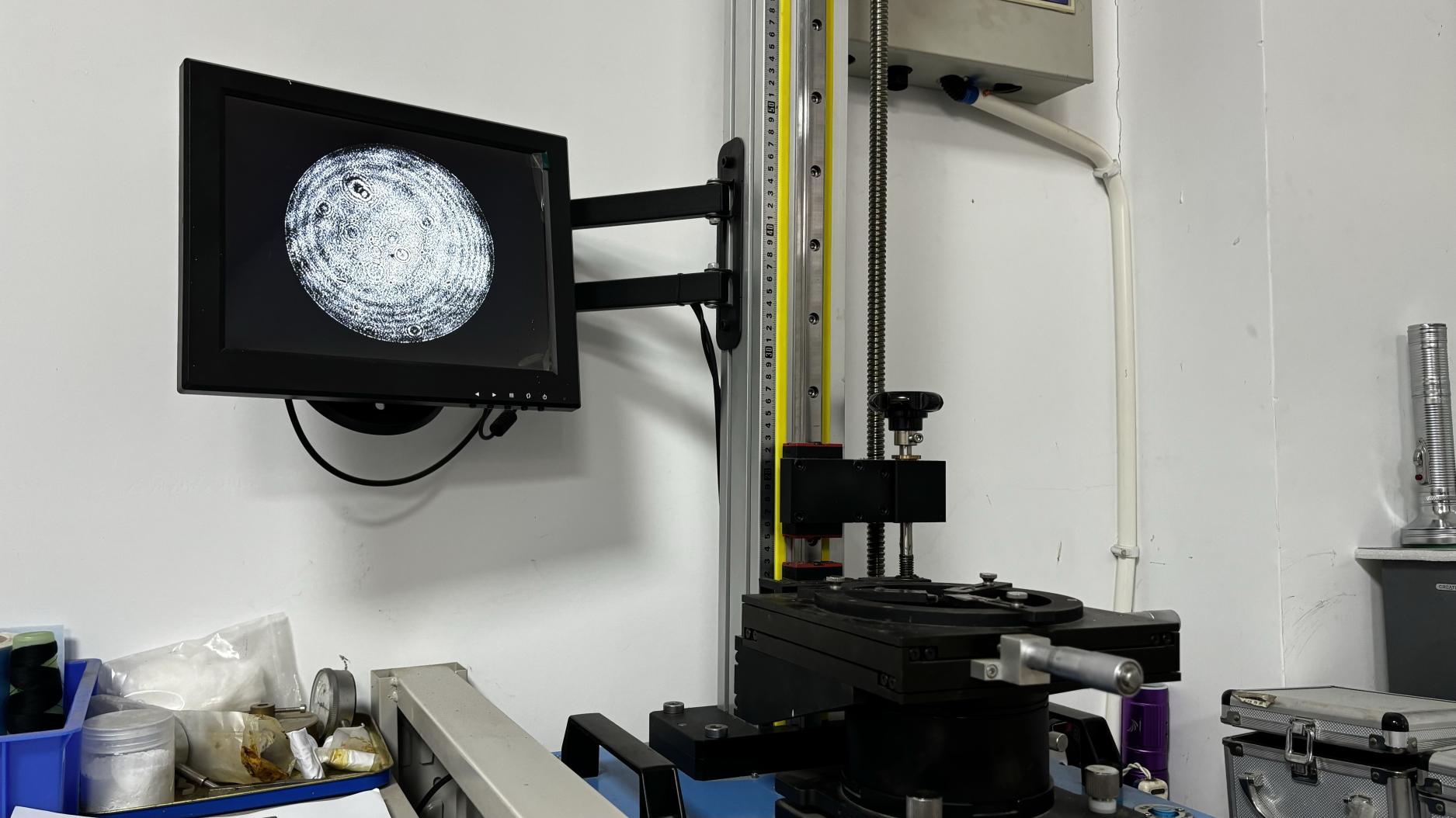
Quality is embedded throughout our manufacturing process. Tensorium maintains strict quality control standards with a dedicated team of 45 quality inspectors. Every product undergoes comprehensive inspections, including component verification, assembly inspection, system integration testing, burn-in testing, thermal performance validation, stability testing, and final quality assurance before shipment.
With strong OEM and ODM capabilities, we provide flexible customization options including GPU configuration, CPU platform selection, storage architecture, networking solutions, rack integration, branding services, and complete AI infrastructure deployment support. Our engineering team works closely with customers to deliver solutions optimized for their specific workloads and business objectives.
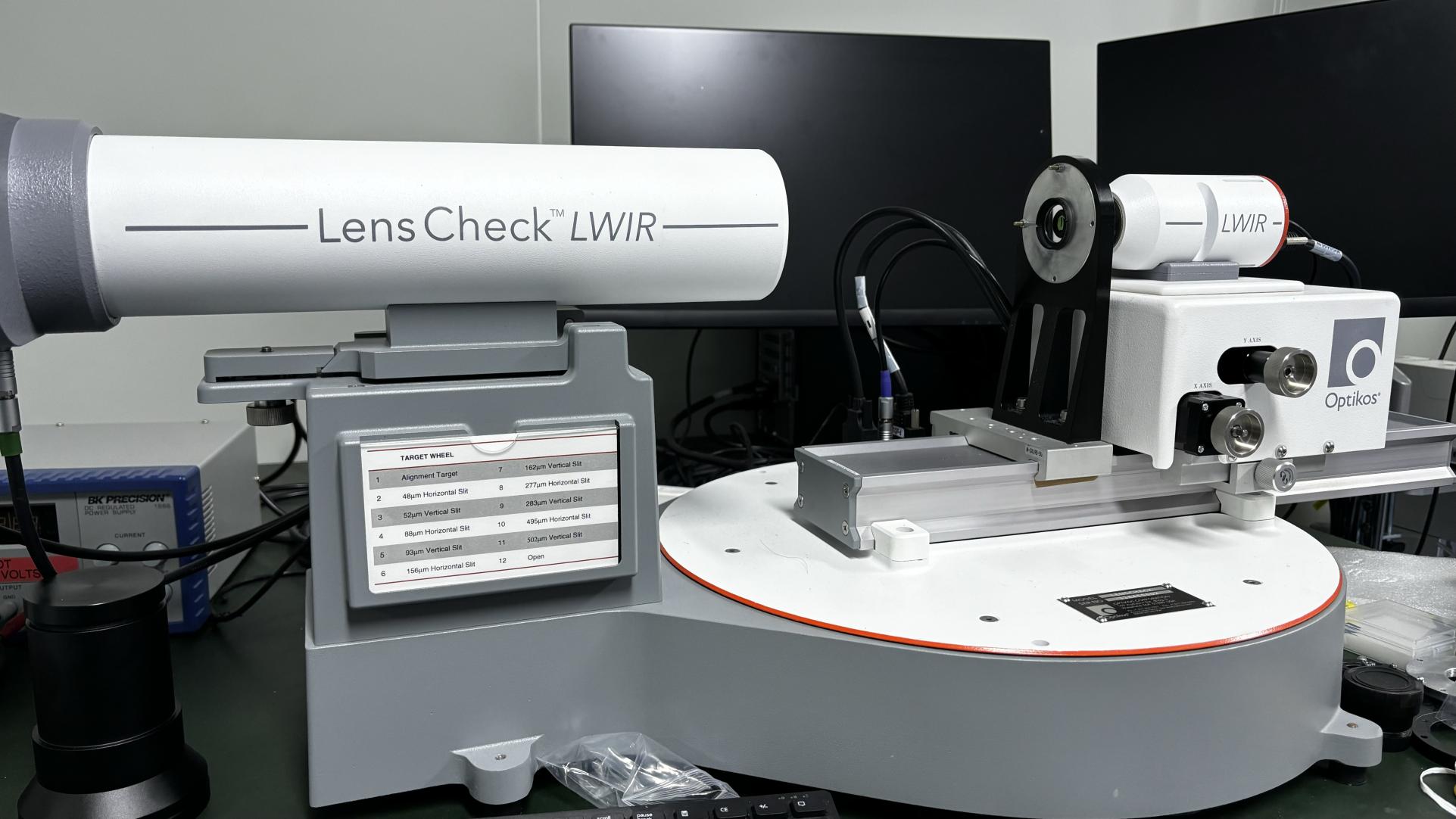
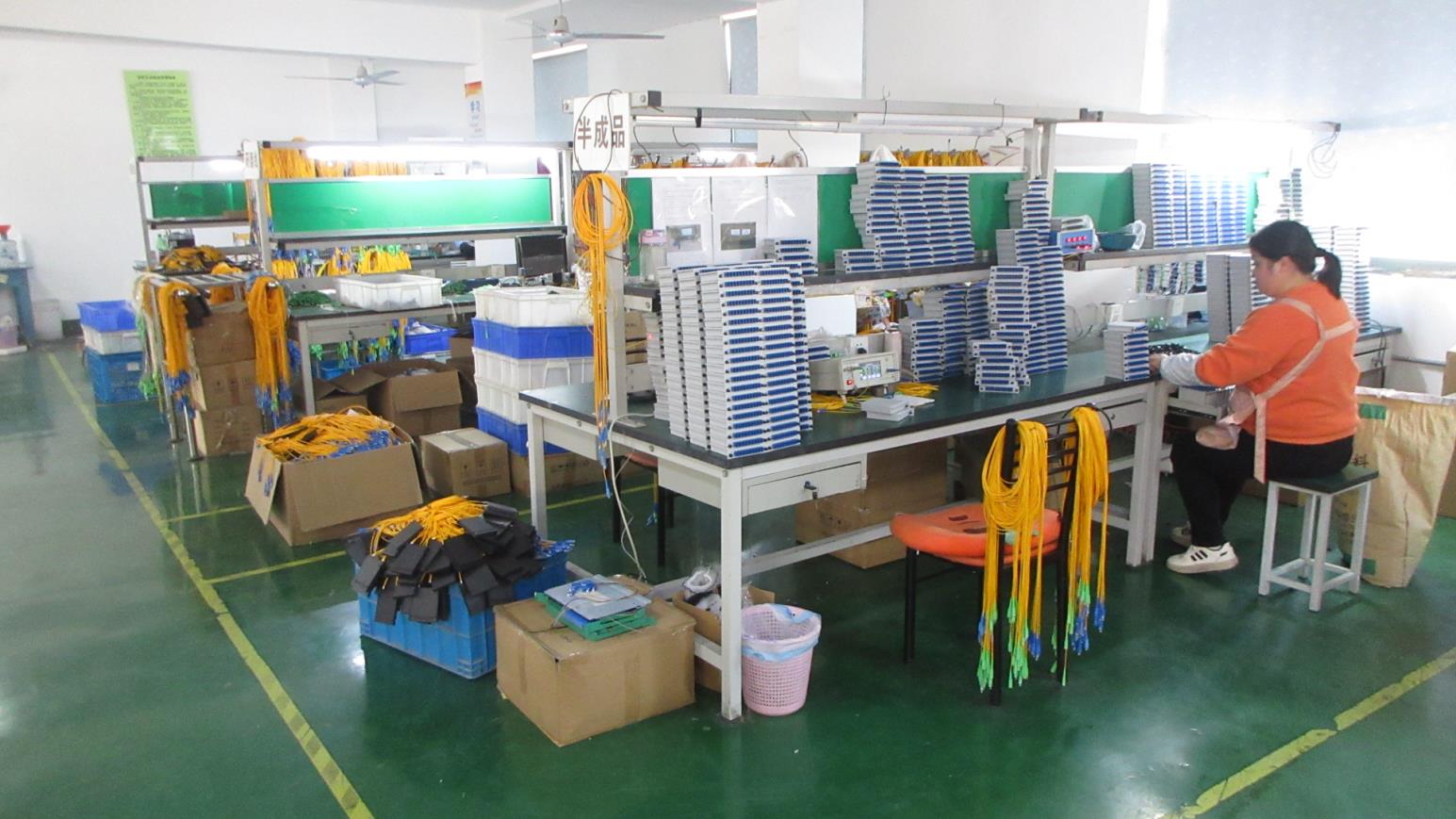
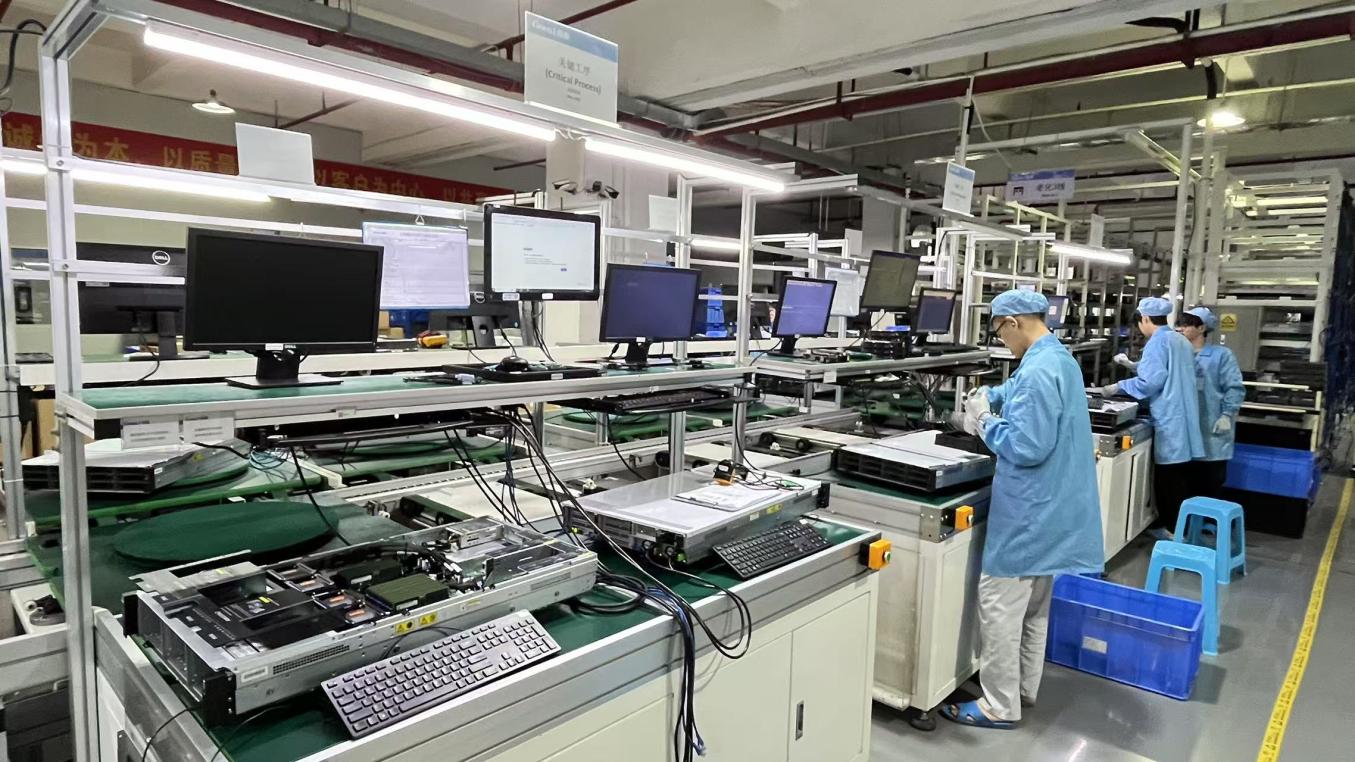
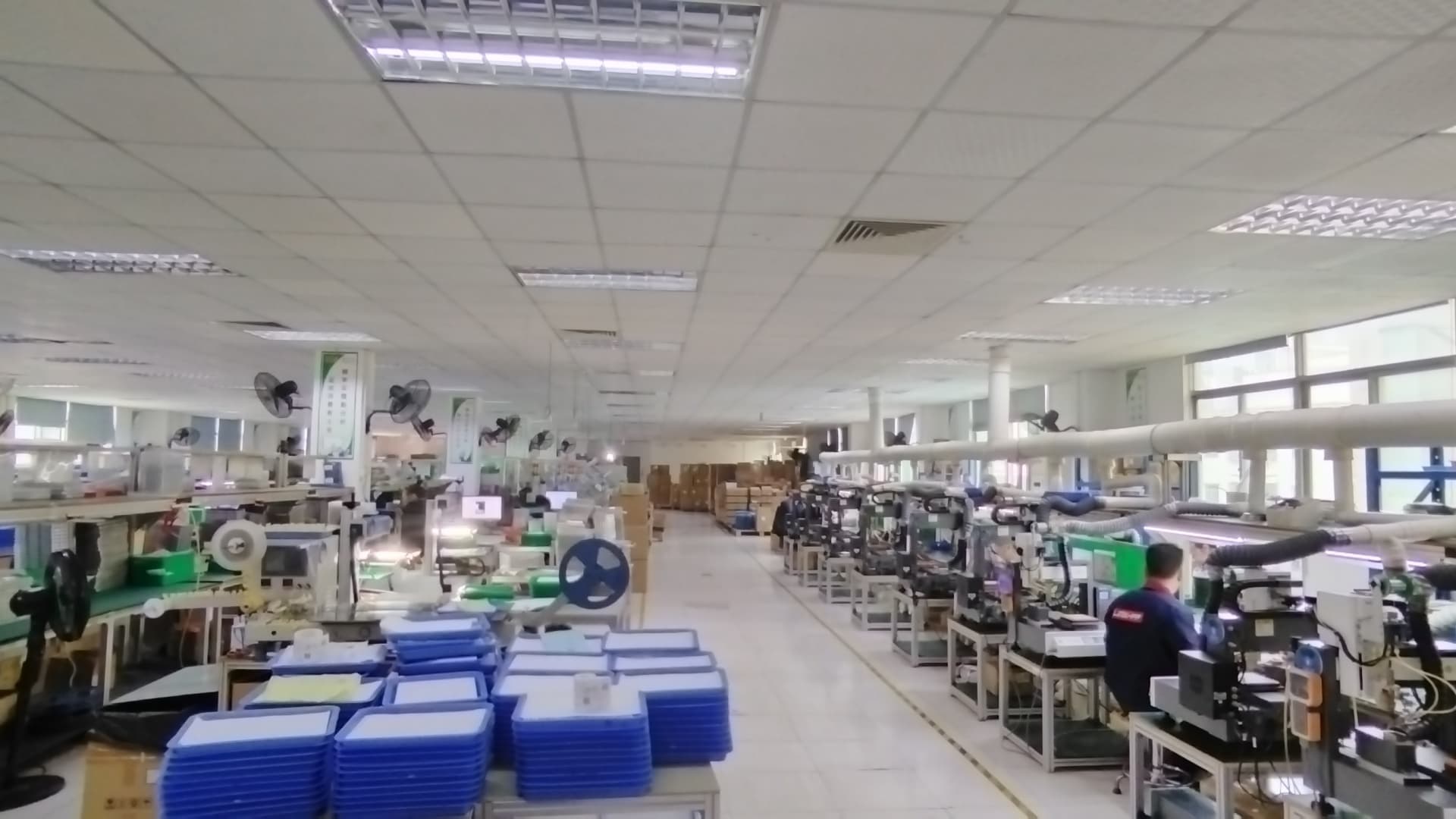
Tailored high availability server clusters engineered to match critical deployment parameters, security levels, and dynamic traffic characteristics.
For virtualization systems running container orchestrations, offering live-migration platforms that shift compute loads instantly when an engine unit undergoes hardware faults.
Targeted at deep learning networks (e.g., DeepSeek) that execute long-duration model training, where checkpoint recovery time must be minimized.
Ensuring automated systems in manufacturing spaces continue execution despite electrical spikes, seismic disruptions, or dust ingress.
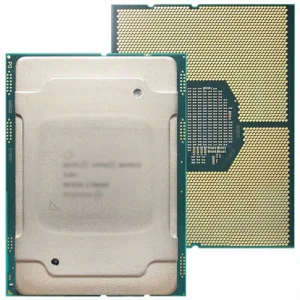
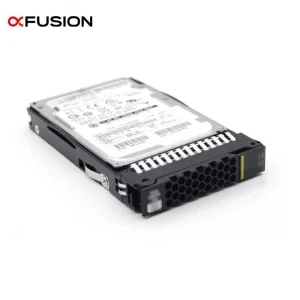
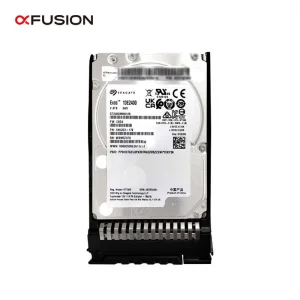
Select from our enterprise processors, high-speed storage components, and RAID controllers to build out or repair your critical server node infrastructures.