 Tensorium
Tensorium
Tensorium
Explore our high-performance rack servers, AI accelerator configurations, and storage servers optimized for heavy-load data processing applications.
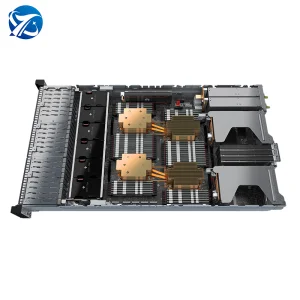
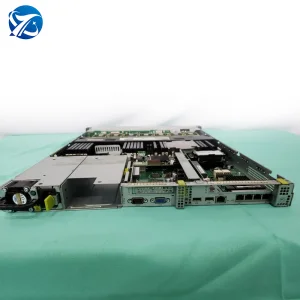
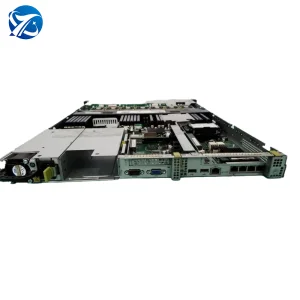
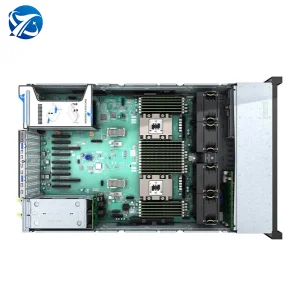
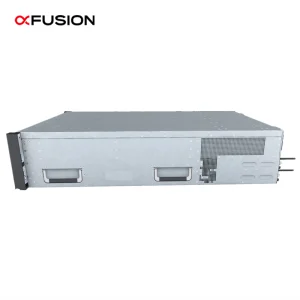
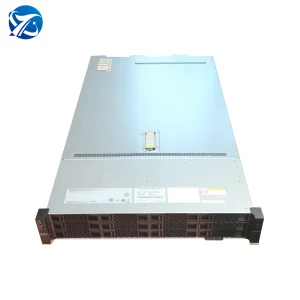
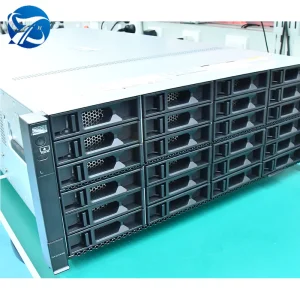
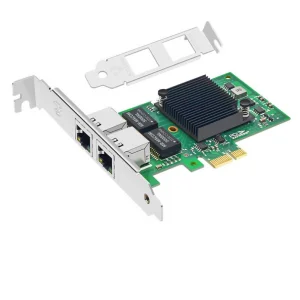
Aligning structural server architecture with modern compute intensity demands specialized manufacturing and rigorous engineering frameworks.
Traditional CPU-bound processing systems are rapidly facing execution bottlenecks when managing deep learning architectures like DeepSeek, LLMs, and large-scale vector analytics. Today's global enterprise procurement strategies prioritize heterogeneous compute nodes. This involves combining multi-core x86/ARM processors with high-density GPU accelerators, specialized ASICs, and high-performance PCIe Gen 4.0/5.0 Tri-Mode RAID storage buses. Transitioning to heterogeneous design patterns allows enterprise systems to optimize energy consumption (PUE) while expanding computation bandwidth up to 10x compared to legacy architectures.
Global demand is shifting towards high-density GPU topologies. Cloud operators and research institutes look for short-depth, thermally optimized chassis that host multiple dual-slot GPUs without causing thermal throttling. AI model fine-tuning and inference require high interconnect bandwidths (such as NVLink or high-speed PCIe switches) that resolve inter-node communication bottlenecks.
Next-generation processing platforms require advanced fan arrays, dynamic speed regulation, and direct-to-chip liquid cooling options to support chips with thermal design power (TDP) thresholds exceeding 350W per processor. Manufacturers must deploy computational fluid dynamics (CFD) analysis to guarantee constant airflow over storage bays and power modules.
Off-the-shelf catalog configurations rarely meet the exact needs of modern data centers. System integrators need customizable storage options (SATA, SAS, NVMe tri-mode backplanes), varied networking profiles (10GbE, 25GbE, 100GbE InfiniBand interfaces), and tailored bios/BMC firmware setups to maintain system integrity and compatibility.
How the South China electronics manufacturing ecosystem ensures shorter lead times, strict component validation, and cost-effective scaling.
Located in the heart of China's primary tech manufacturing corridor, Guangdong provides direct access to a dense network of raw component suppliers, PCB fabs, connector manufacturers, and high-frequency transformer suppliers. This ecosystem helps reduce raw material lead times from months to days, allowing for faster production cycles and quick design updates.
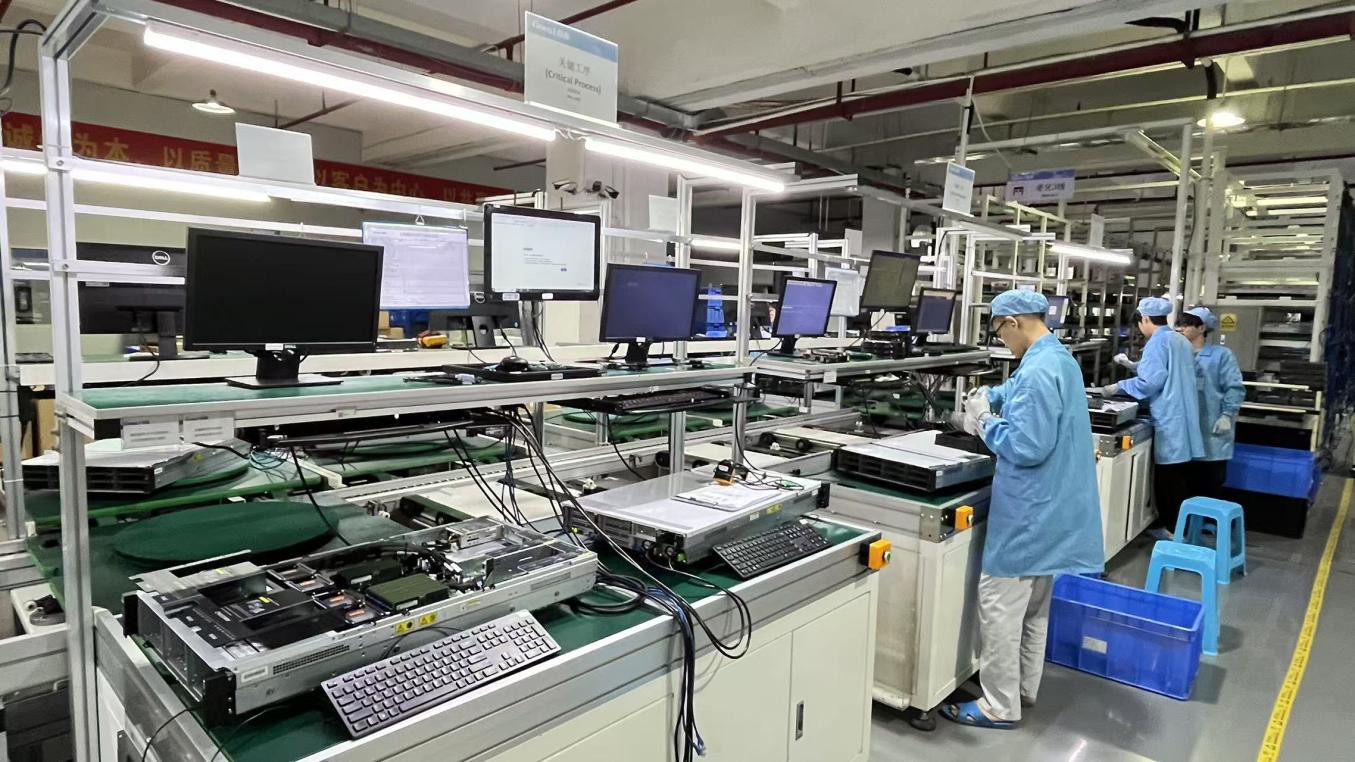
Reliable hardware is critical for high-uptime environments. To ensure operational stability, our systems undergo rigorous hardware validation routines. This includes multi-day thermal cycling inside environmental chambers, extended full-load burn-in tests, storage system read/write cycle verification, and structural vibration testing to protect the hardware during global shipping.
Working directly with a manufacturing partner eliminates intermediary markups and simplifies customization. Our design teams can modify chassis layouts, adapt power distribution units (PDUs) to match regional voltage standards, and implement customized firmware configurations to secure hardware-level integrations.
Tensorium Intelligent Technology Co., Ltd. - Partnering with Global Enterprises to Deploy Scalable Computing Infrastructure.
Founded in 2016, Tensorium Intelligent Technology Co., Ltd. is a professional manufacturer and global supplier of high-performance AI GPU servers, GPU clusters, and intelligent computing infrastructure solutions. We specialize in delivering reliable, scalable, and customized computing platforms for artificial intelligence training, inference, deep learning, HPC, and enterprise data center applications.
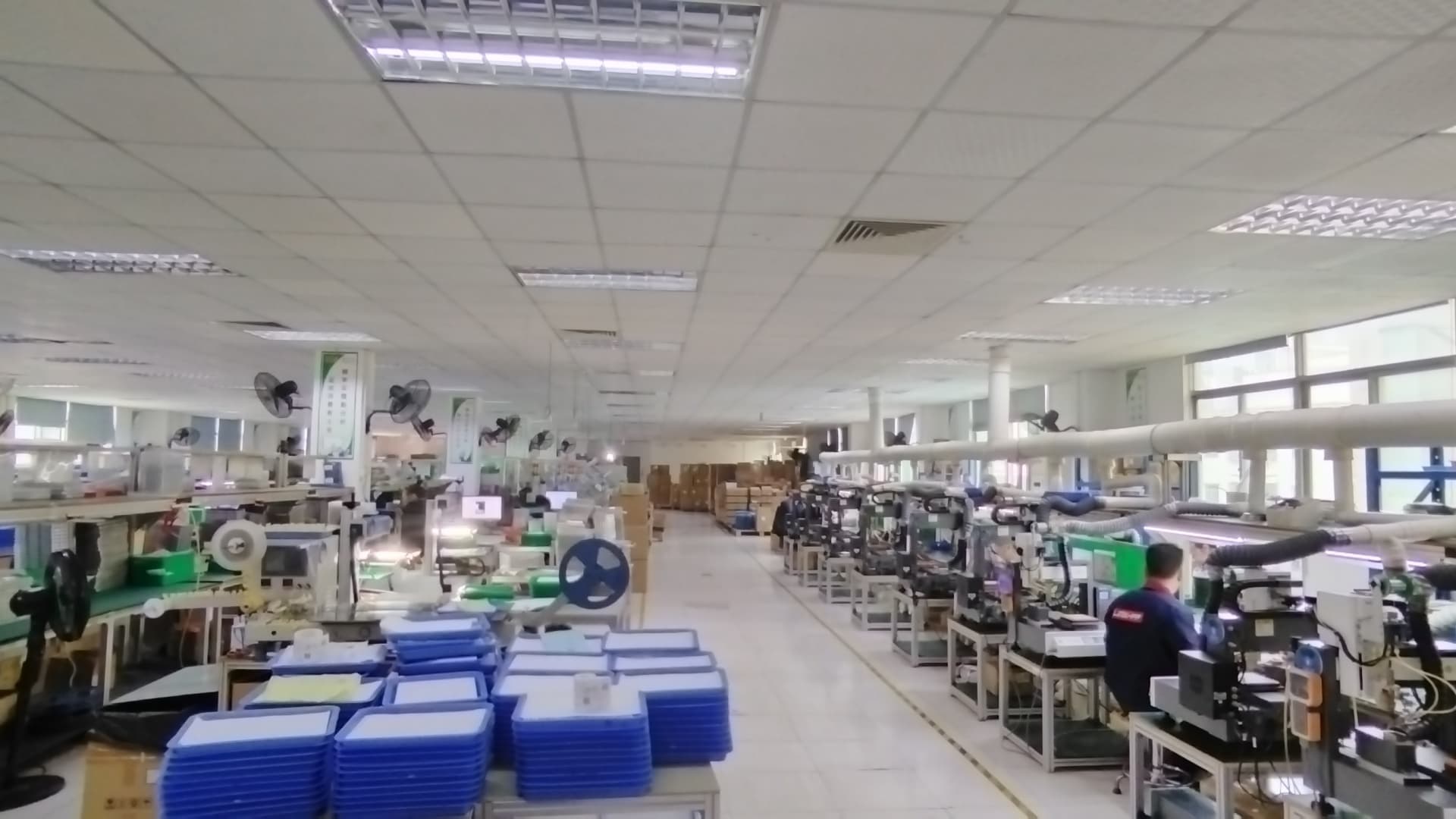
Located in Guangdong, China, Tensorium operates a modern manufacturing facility covering over 380㎡ and serves customers across North America, Europe, the Middle East, Southeast Asia, and other global markets. With years of experience in the AI computing industry, we have established a strong reputation for product quality, engineering expertise, and responsive customer service.
Our annual export revenue exceeds USD 18 million, supported by an extensive supply chain network of more than 1,200 trusted partners worldwide. We work closely with AI startups, cloud service providers, system integrators, research institutions, enterprise customers, and data center operators seeking high-performance computing solutions.
Innovation is at the core of our business. Our R&D team consists of over 120 experienced engineers dedicated to developing advanced GPU server architectures, AI cluster solutions, and customized computing systems. Last year alone, we successfully launched more than 80 new products and configurations tailored to emerging AI workloads and evolving customer requirements.
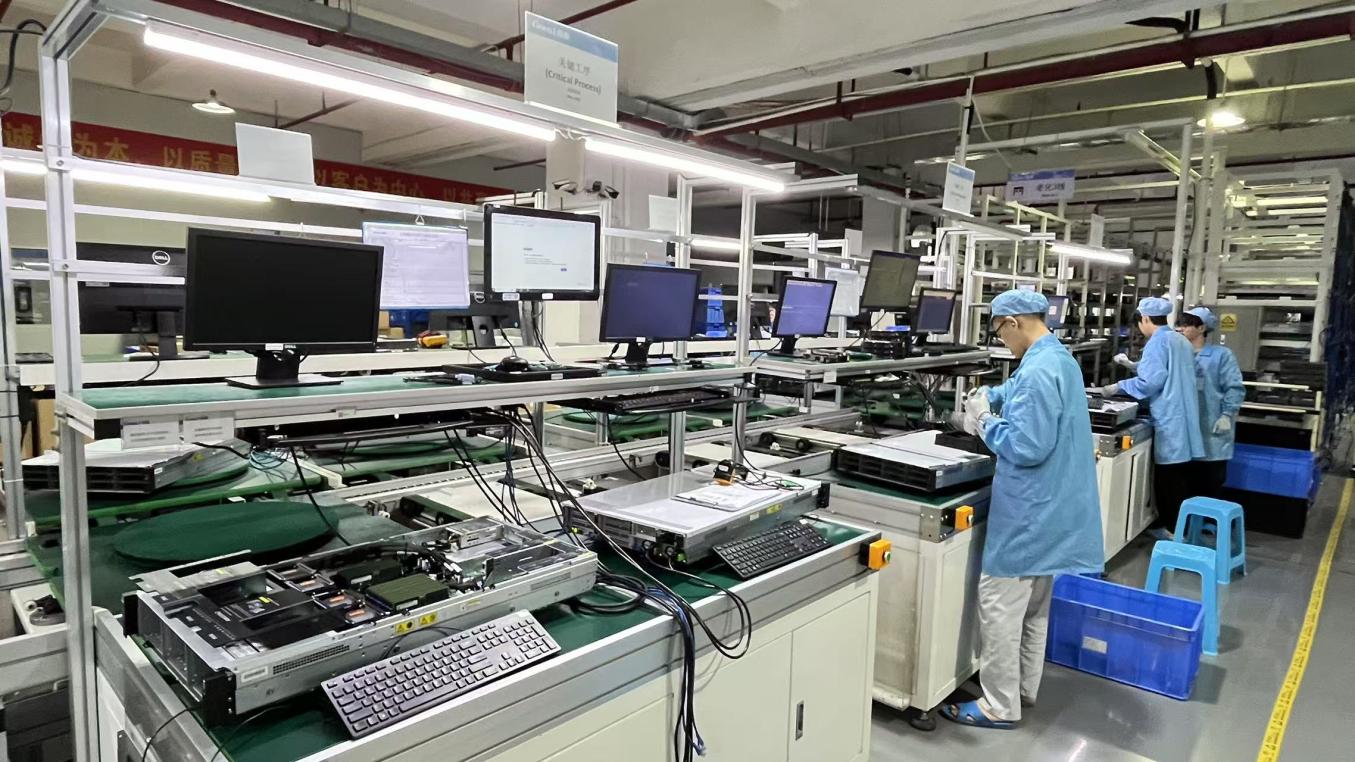
Quality is embedded throughout our manufacturing process. Tensorium maintains strict quality control standards with a dedicated team of 45 quality inspectors. Every product undergoes comprehensive inspections, including component verification, assembly inspection, system integration testing, burn-in testing, thermal performance validation, stability testing, and final quality assurance before shipment.
With strong OEM and ODM capabilities, we provide flexible customization options including GPU configuration, CPU platform selection, storage architecture, networking solutions, rack integration, branding services, and complete AI infrastructure deployment support. Our engineering team works closely with customers to deliver solutions optimized for their specific workloads and business objectives.
Backed by advanced manufacturing capabilities, continuous innovation, and a customer-focused approach, Tensorium is committed to helping organizations accelerate AI adoption and unlock the full potential of intelligent computing technologies.
| Strategic Indicator | Operational Details |
|---|---|
| Company Name | Tensorium Intelligent Technology Co., Ltd. |
| Established Year | 2016 |
| Facility Area | 380㎡ (Highly specialized production & integration space) |
| Annual Export Revenue | USD 18 Million+ |
| Export Experience | 8 Years |
| Industry Experience | 14 Years |
| Quality Control Staff | 45 dedicated inspectors |
| R&D Engineers | 120+ systems and mechanical engineers |
| Supply Chain Network | 1,200+ partners |
| Key Markets Served | North America, Europe, Middle East, Southeast Asia |
| Validation Methods | Burn-in Testing, Performance Benchmarking, Thermal Testing, Functional Testing, Final Inspection |
From distributed database hosting to high-density GPU computing, our hardware matches demanding application requirements.
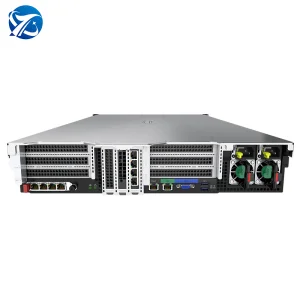
Deploy dual-socket 1U and 2U rack servers equipped with high-speed 10Gbps/25Gbps network cards. Optimized layouts allow maximum density per rack, reducing overall operating costs for virtualization hosts and scalable container environments.
Leverage dedicated GPU servers with short-depth chassis designs that support multiple accelerator modules. Our cooling solutions manage heat effectively, ensuring steady performance during long AI training runs and model operations.
Implement servers with high-port count RAID controllers and flexible drive bay configurations. These systems offer clean routing for hybrid NVMe, SAS, and SATA drives, supporting high-speed database reads and low-latency storage access.
Complete your deployment with our range of high-performance rack servers and dedicated compute nodes.
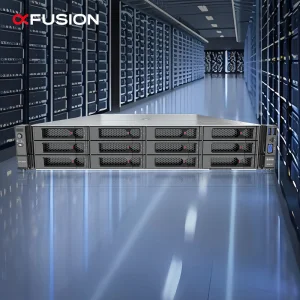
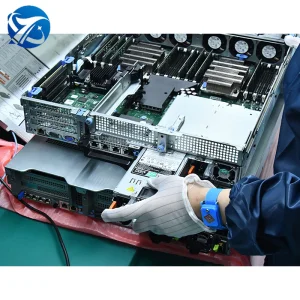
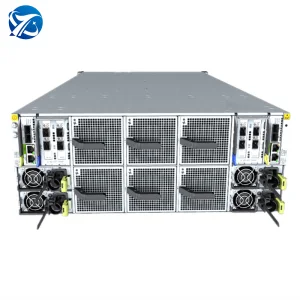
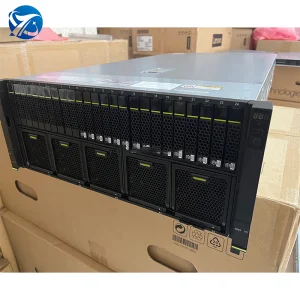
Technical answers to common questions about server configuration, global delivery, and manufacturing capabilities.
For custom configurations, engineering verification and BOM locking typically take 3 to 7 working days. Once component availability is confirmed, assembly, quality control testing, and burn-in validation are usually completed within 2 to 3 weeks, depending on order size and custom chassis requirements.
Every server goes through a full validation process. This includes a minimum of 24 to 48 hours of continuous burn-in testing under full compute load, thermal monitoring to ensure air path clearance, and diagnostic sweeps for PCIe integrity, storage read/write performance, and memory health.
Yes, all systems are configured with power supplies and structural components that meet major international safety standards, including CE, FCC, and RoHS certifications. We also adapt power cables and rack rail configurations to fit local data center setups.
Our Tri-Mode RAID controllers (like the 9560-8i PCIe Gen 4.0 card) dynamically negotiate with connected storage devices. This allows the system to support SAS, SATA, and NVMe drives simultaneously within the same backplane. This flexibility is useful for configuring hot-tier NVMe cache drives alongside high-capacity SAS/SATA storage arrays in a single 2U chassis.