Tensorium
Tensorium
Tensorium
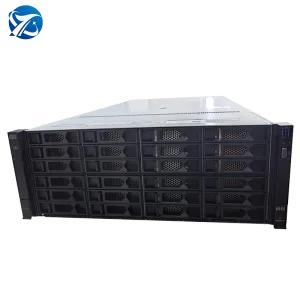
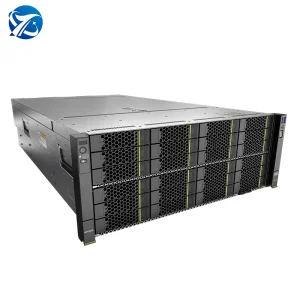
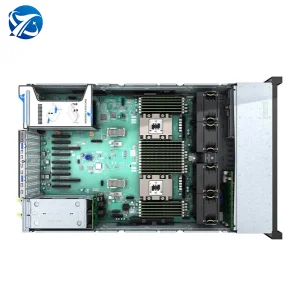
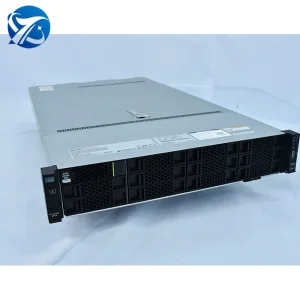
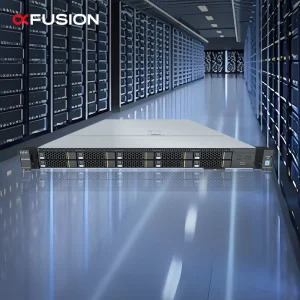
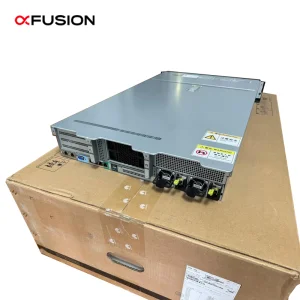
In the era of hyper-scale AI models, global companies face a major infrastructure bottleneck: the availability of high-performance computing (HPC) nodes designed specifically for tensor operations. AI GPU servers configured with NVIDIA HGX H100, H200, H20, L40S, and Grace Hopper architectures are no longer mere infrastructure luxuries—they are core business drivers.
Procuring raw compute at this level requires balancing thermal efficiency, system level density, power supply capabilities, and strict conformity parameters such as the European Conformity (CE Mark). Without CE compliance, system integrators and hyperscalers operating within Europe face regulatory blocks, complicating cross-border deployment. Tensorium’s systems bridge this gap by offering certified configurations optimized for international deployments.
Optimized GPU architecture needs to match the workloads it runs. Tensorium designs solutions targeting specific technical workflows across different industries.
Optimized systems supporting deep learning frameworks (PyTorch, TensorFlow). Featuring optimized InfiniBand networking and high throughput NVLink pathways for training foundation models and running high-concurrency LLM inference.
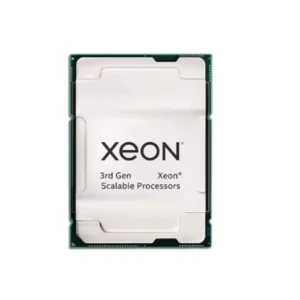
Designed for molecular modeling, aerodynamic simulations, and heavy climate modeling. Built with dual-socket Intel Xeon Scalable or AMD EPYC processors combined with NVIDIA GPU accelerators to process high-precision FP64 calculations.
Integrating storage arrays and virtualization layers (VMware ESXi, KVM) to support multi-tenant environments. Perfect for enterprises building hybrid environments for secure internal dataset analysis.
Founded in 2016, Tensorium Intelligent Technology Co., Ltd. is a specialized manufacturer and global supplier of high-performance AI GPU servers, GPU clusters, and intelligent computing infrastructure solutions. We deliver reliable, scalable, and customized computing platforms for artificial intelligence training, inference, deep learning, HPC, and enterprise data center applications.
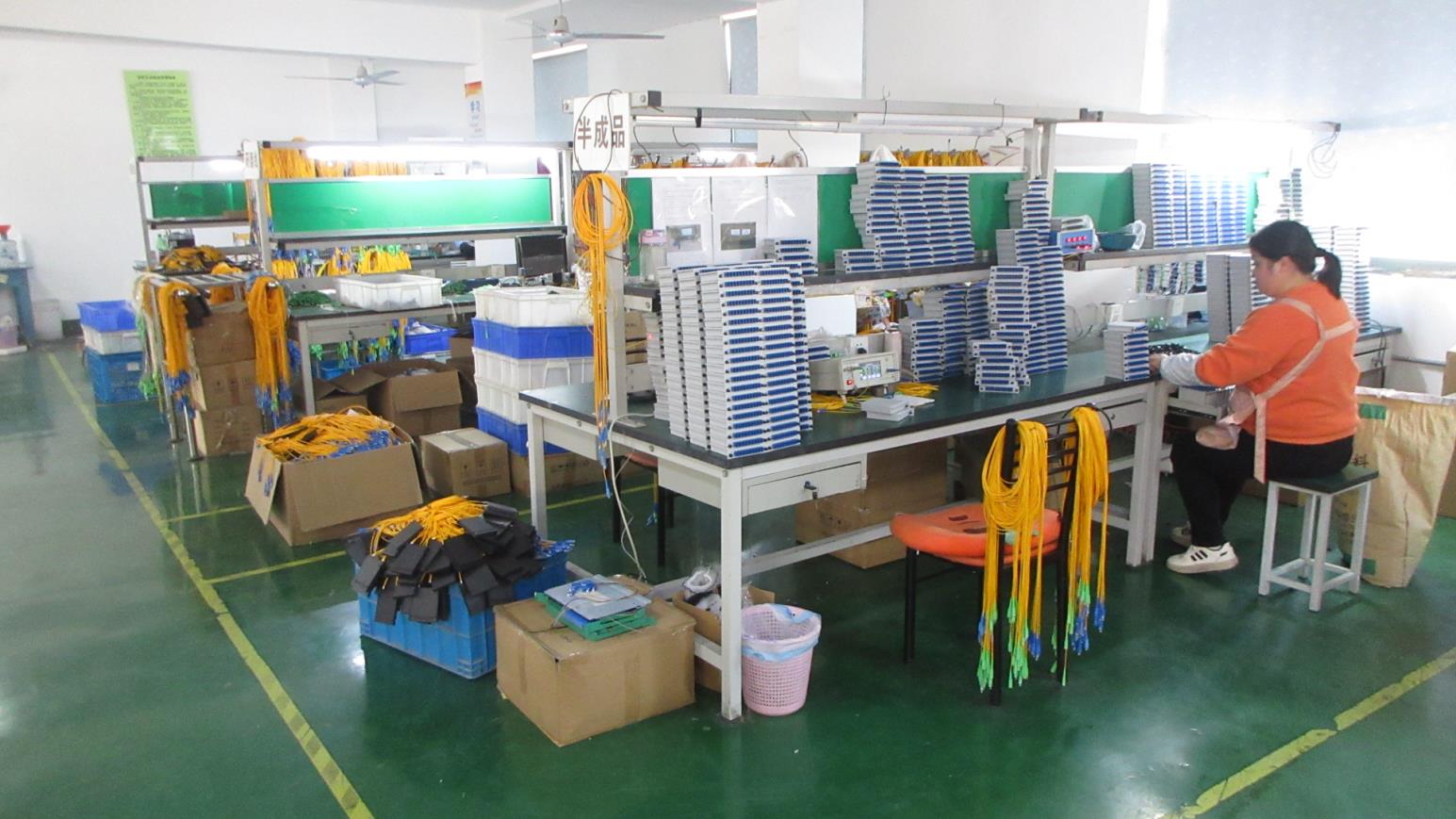
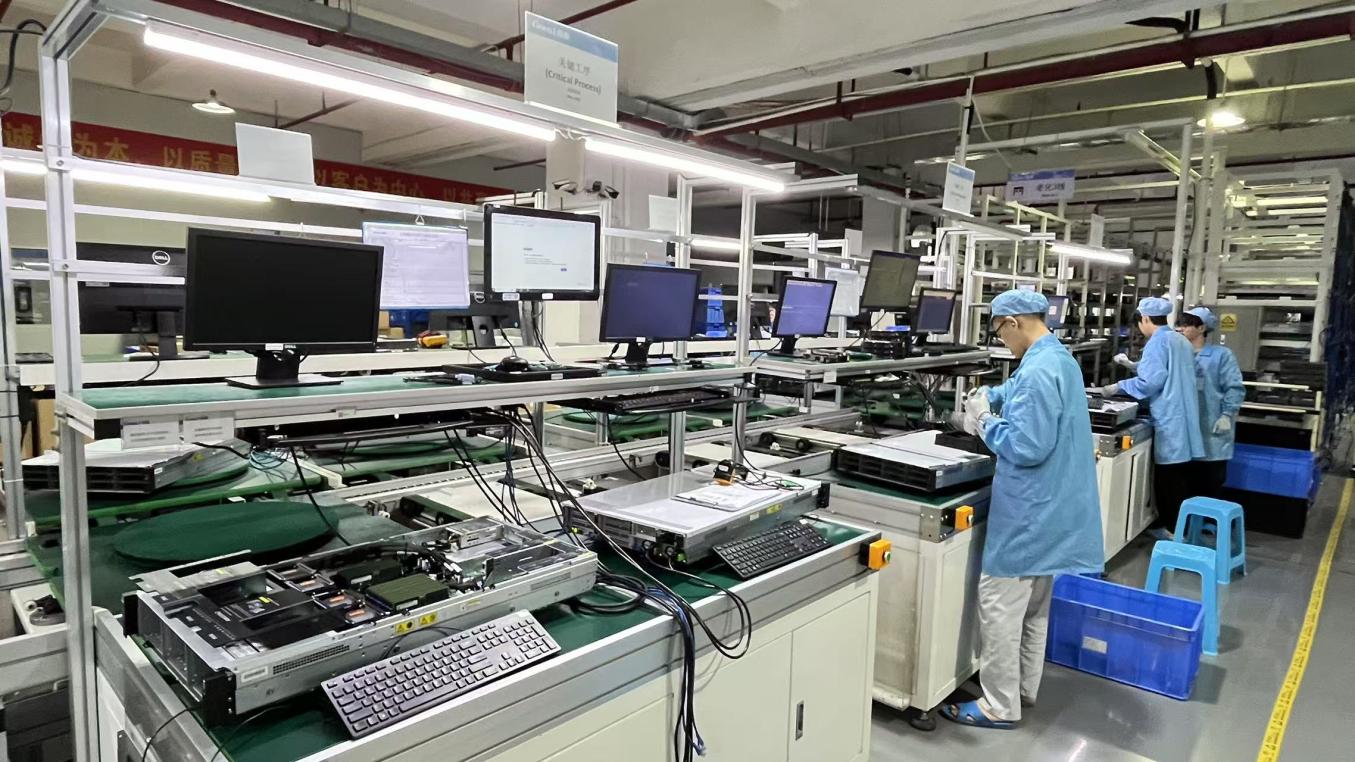
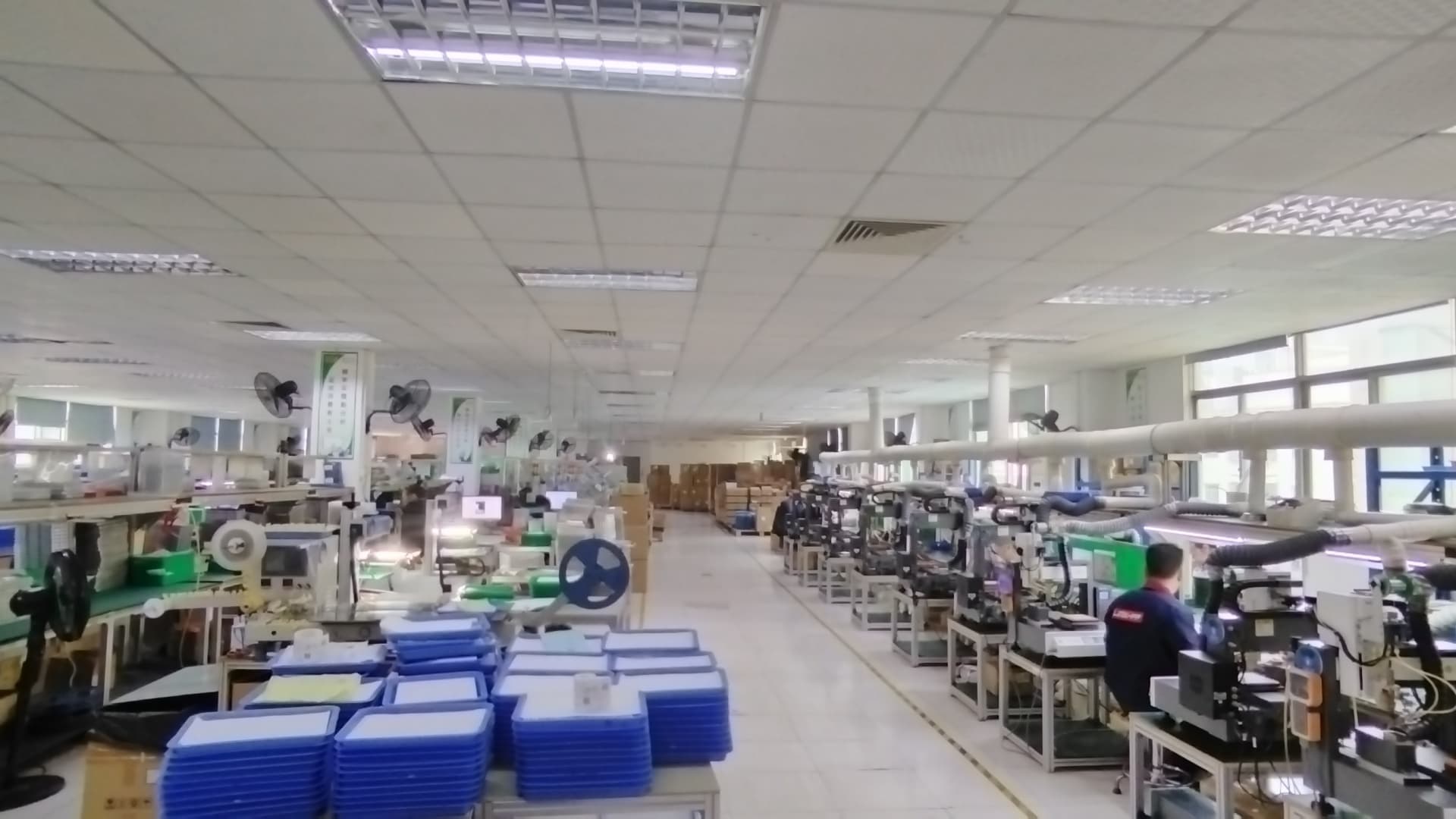
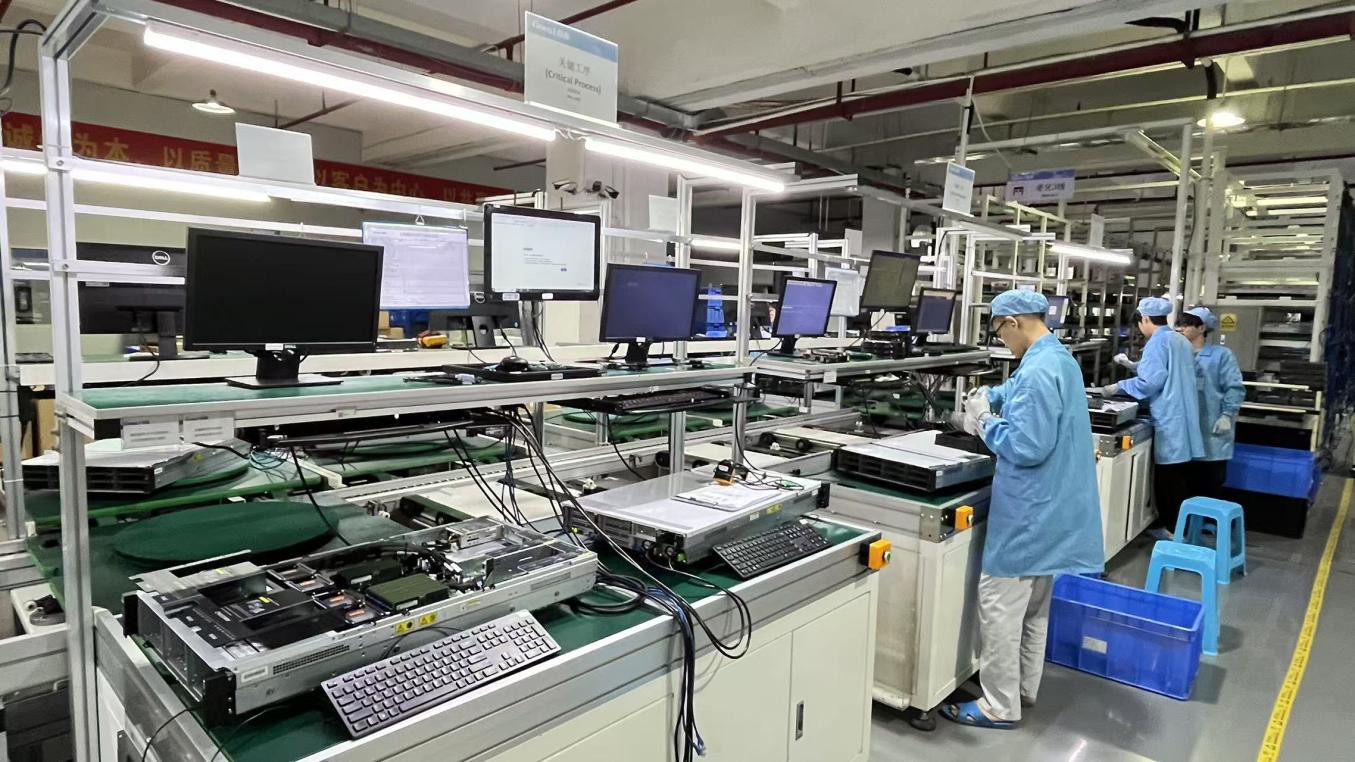
Located in Guangdong, China, Tensorium operates a modern engineering and assembly facility covering over 380m², optimized for precision server node integration. Backed by 14 years of industry hardware expertise, our team has successfully integrated complex computing stacks for customers across North America, Europe, the Middle East, and Southeast Asia.
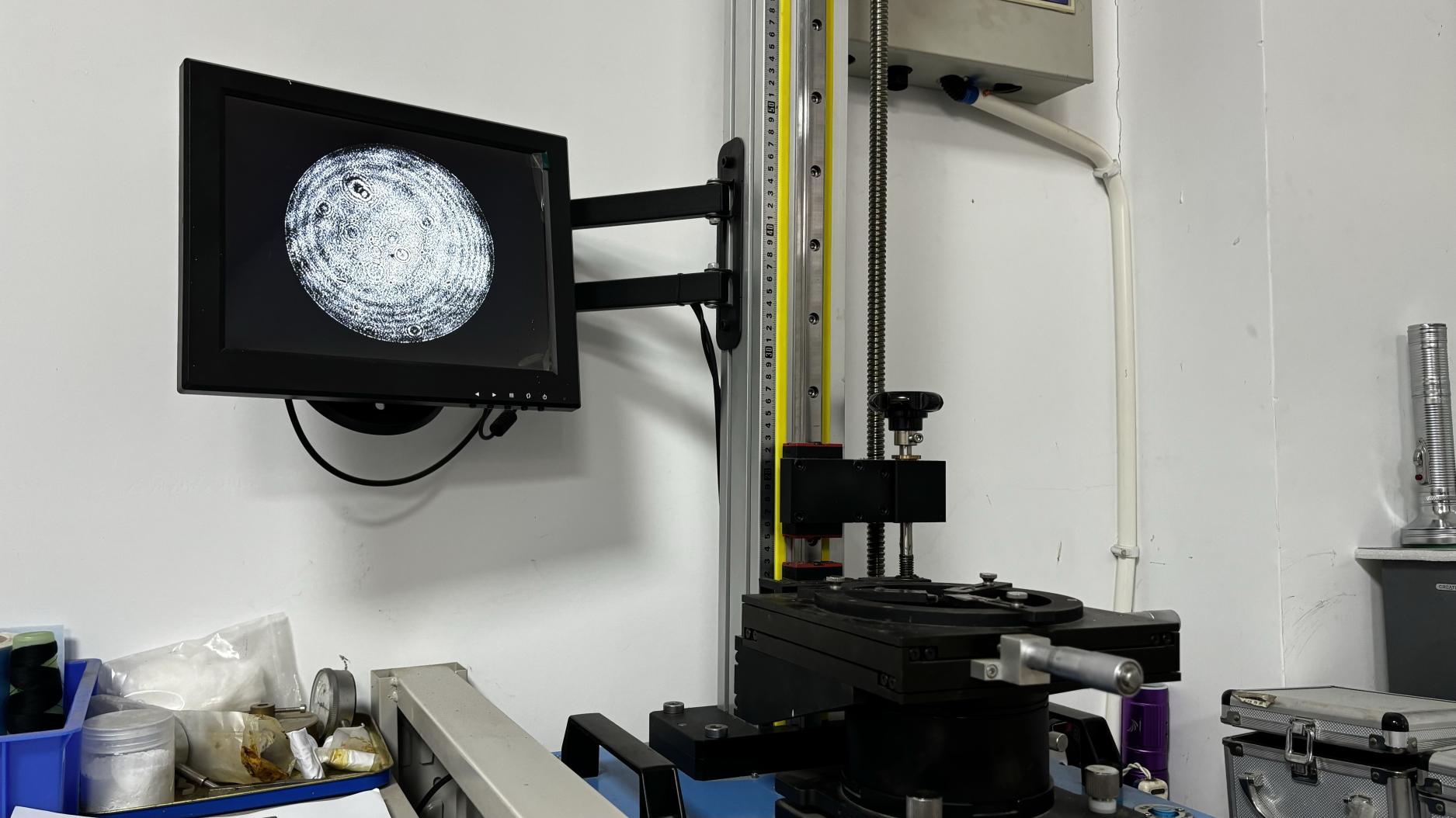
Innovation and quality control define our operations. With 120+ R&D engineers and 45 dedicated quality inspectors, we ensure that every server shipped meets strict hardware performance profiles, thermal safety limits, and regulatory certifications like the CE mark.
As the workloads transitions from FP16 to FP4 and FP8 precision calculations, processing architectures are adapting rapidly. Tensorium's design pipeline is moving toward integration compatibility with the upcoming NVIDIA Blackwell platform, building servers optimized for higher thermal envelopes (up to 1200W per GPU node) and liquid cooling loops.
Our upcoming product generation focuses on liquid-to-air (CDU based) cooling architectures, aiming to drop the overall Data Center PUE (Power Usage Effectiveness) down to 1.15. This engineering direction ensures that current GPU systems match future infrastructure layouts without rebuilding hardware layouts from scratch.
We are focusing our R&D budgets on solving high-frequency signal attenuation on PCIe Gen 6.0 buses and integrating PCIe Switch fabrics directly into multi-node designs. This reduces latencies in large clusters using NVLink topologies over optical switches, avoiding data transport bottlenecks.
This structural planning guarantees that our enterprise clients procure solutions that will support tomorrow's computing needs, avoiding early obsolescence.
Our validation standards are designed for enterprise reliability. Tensorium implements a multi-phase testing framework supervised by 45 QA specialists to verify electrical, thermal, and computing stability.
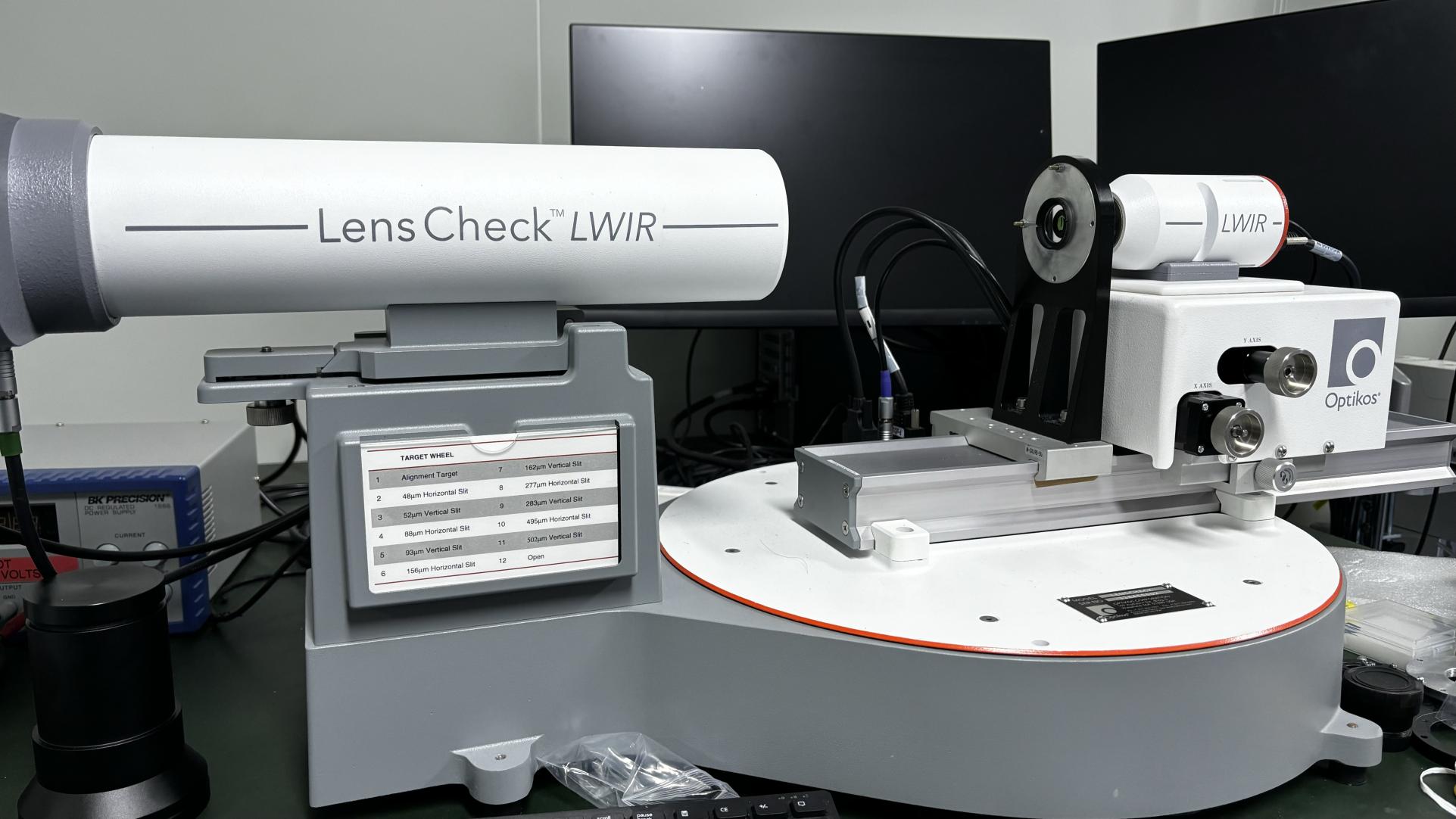
Every assembled NVIDIA GPU server undergoes a minimum of 72 hours of continuous execution running diagnostic frameworks. GPUs are pushed to maximum TDP to ensure power delivery stability under sudden computation spikes.
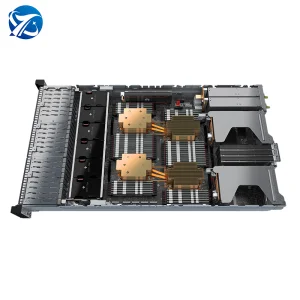
Using infrared thermography, our technicians verify airflow balance across the chassis, checking that memories, PCIe switches, and processors remain well within safe operating temperatures under full load.
All structural designs, electrical components, and fans meet EU LVD (Low Voltage Directive) and EMC (Electromagnetic Compatibility) directives, allowing smooth clearance and deployment within European data centers.
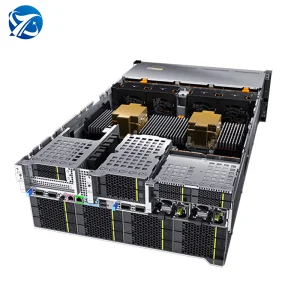
Exporting high-density server rack infrastructure requires compliance with customs clearances and export regulations. Tensorium leverages 8 years of dedicated export logistics expertise and a supply chain network of 1,200+ partners to manage complex regulatory requirements.
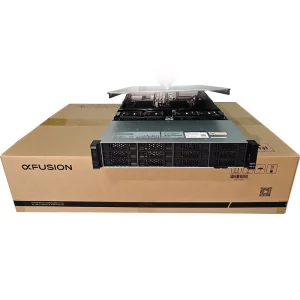
We provide custom packaging configurations—utilizing double-reinforced plywood crates with integrated G-force impact monitors—ensuring delicate server boards arrive fully operational. Our engineering staff provides remote layout optimization support and works directly with local system integrators to configure BIOS and initial network setups.